





Table of Contents
Quick Summary
- Types of doors are there, where from home owners can choose the best option for their premises.
- Doors now combine functionality, aesthetics, and security
- Modern doors enhance home personality and usability
- Classified by material, mechanism, and placement
- Wooden, glass, steel, aluminium, uPVC doors offer varied and wide-ranging benefits
- Flush and PVC doors are budget-friendly options
- Hinged, sliding, folding, pivot doors suit different spaces
- Rolling and collapsible doors improve security and access
- Interior and exterior doors serve specific functional needs
- French, pocket, and louvered doors add style and utility
- Choosing the right door improves efficiency, durability, and overall property value
Sometimes, it’s the smallest design choices that create the biggest discomfort. A door that doesn’t match the scale of the room, clashes with the interior style, or doesn’t suit its function can make a space feel unintentionally disjointed.
Agree or not, doors silently influence how a home looks and feels. That is why choosing the perfect door for your dream home is a must. And to choose that perfect door, you must understand the classifications of doors and where they truly belong as well as the importance of door in a building. In this article, we explore 24 types of doors to help you make choices that feel right, both visually and functionally.
Types of Doors Based on Materials
The material of a door determines its durability, maintenance needs, insulation, and overall look. Types of doors based on materials are described here.
01. Wooden Door
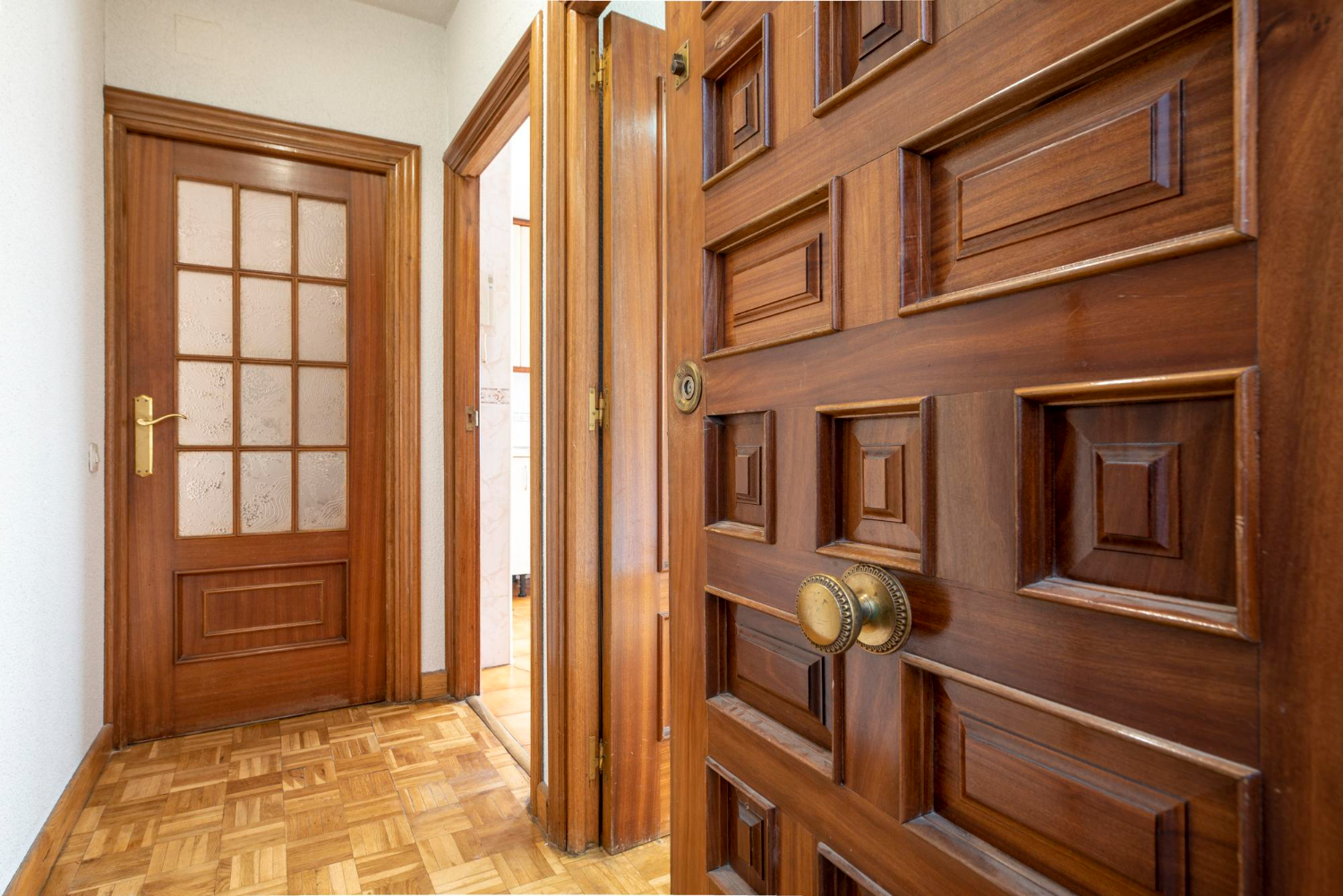
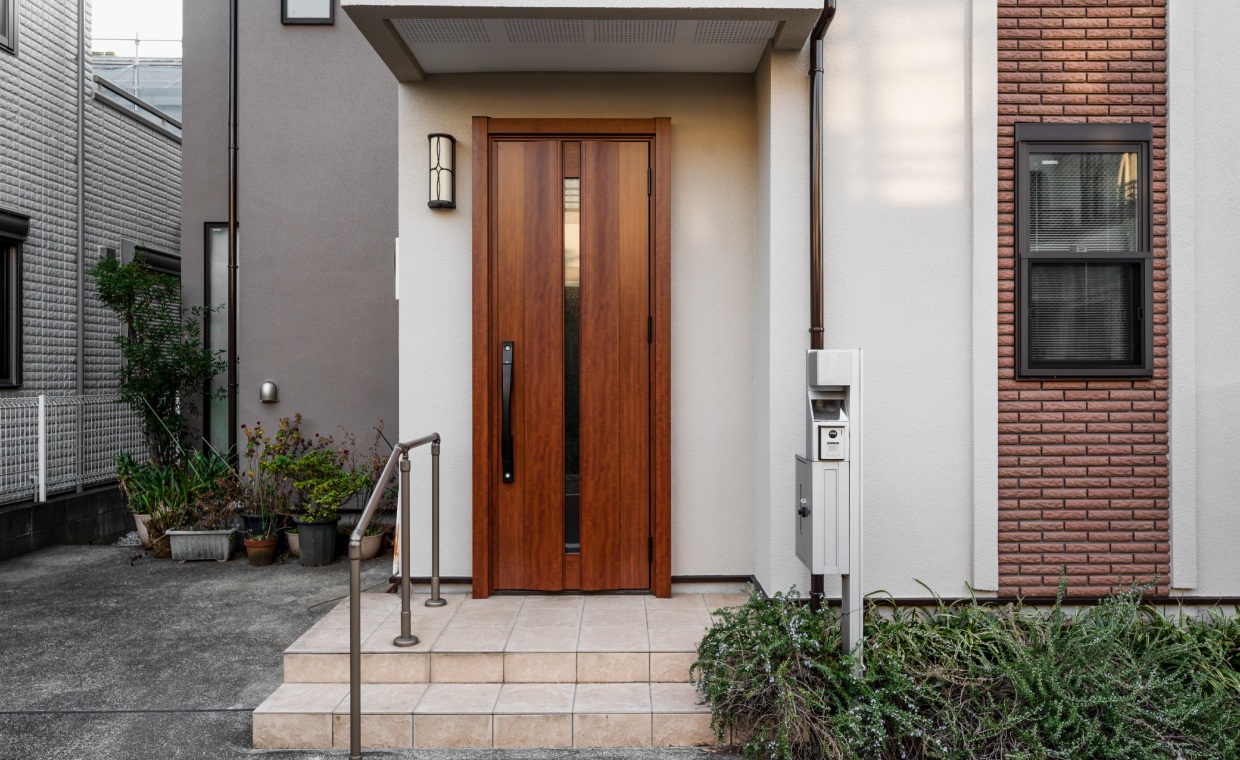
Wooden doors are called timber doors too and are timeless and widely used in both traditional and modern homes. They are available in solid wood and engineered wood variants.
Best for: Living rooms, bedrooms, main doors (covered areas)
Not Ideal for: Area exposed to heavy moisture (bathrooms and balconies)
Advantages:
- Strong and durable
- Natural and elegant appearance
- Good insulation
Pro-Tip: Always treat wooden doors for termite and moisture resistance.
02. Glass Doors
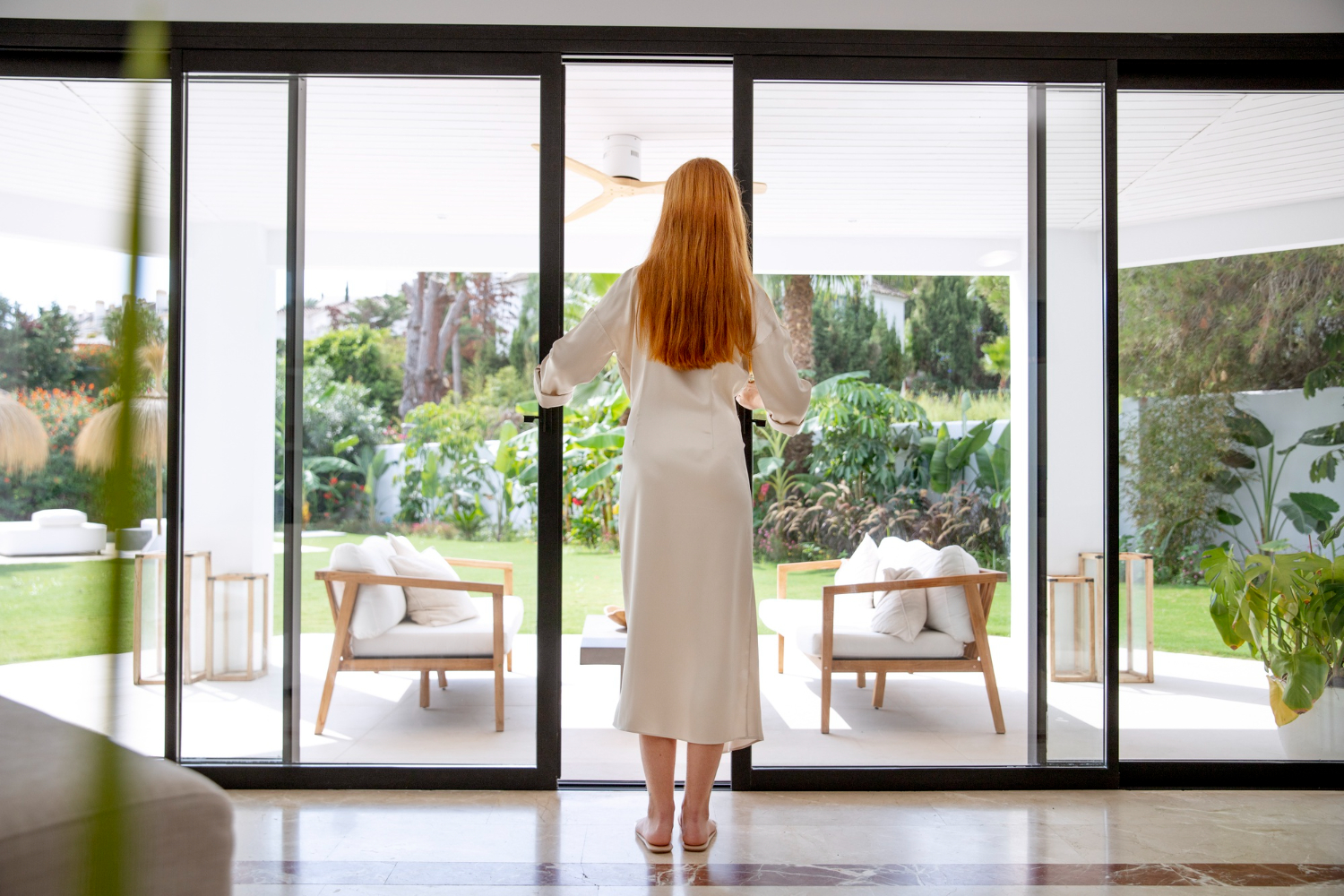
Glass doors are ideal for contemporary homes and offices, especially when openness is a priority. They allow natural light to flow freely, making spaces feel larger. Frosted, tinted, laminated, and tempered glasses are available.
Best for: Living rooms, balconies, offices.
Avoid if: Privacy and security are top concerns
Advantages:
- Enhances natural light
- Sleek and modern look
- Creates a spacious Feel.
03. Steel Doors
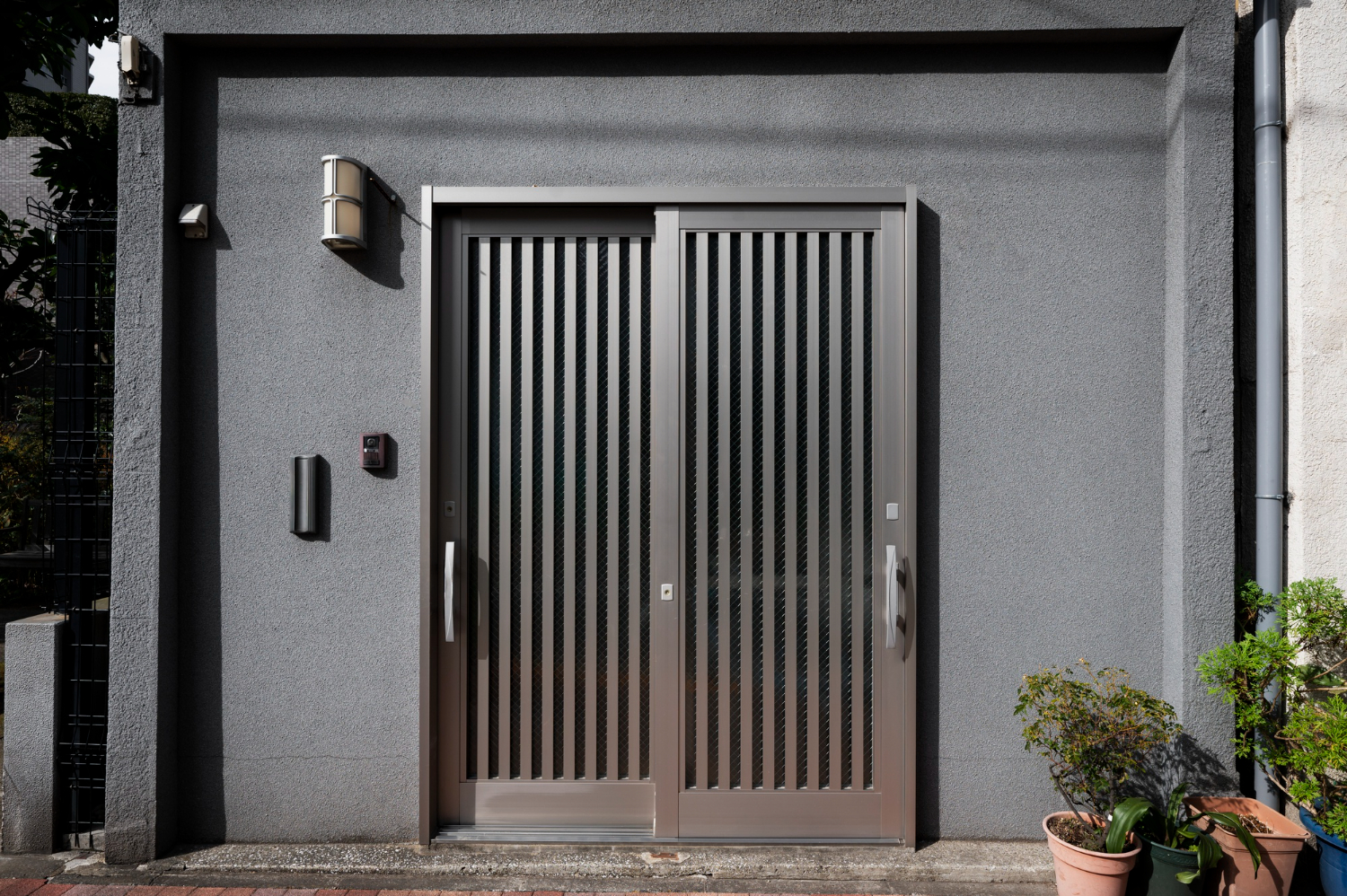
Steel doors are known for their strength and security. They are commonly used in commercial and industrial settings. However, at home, steel doors are used for the main entrance, rear side, and the rooftop areas for their durability and resilience.
Best for: Safety doors at the main entrance, back doors, terraces and utility areas.
Avoid if: you want a cosy space, as steel looks too industrial. High-end aesthetic customisation may be difficult.
Advantages:
- Fire-resistant
- Highly durable, resistant to warping, cracking and termites
- Low maintenance
04. Aluminium Doors
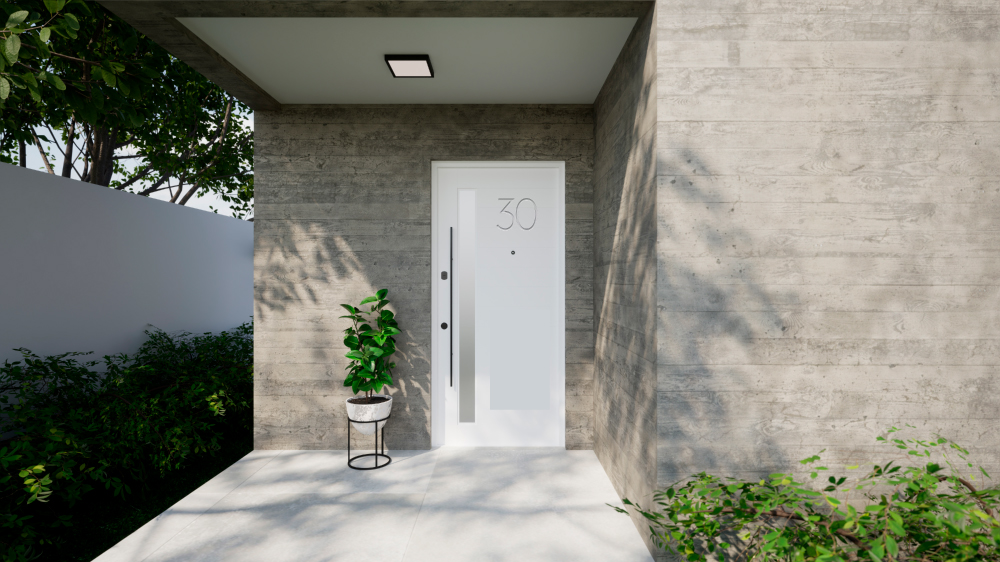
Aluminium doors are lightweight, rust-resistant, and sleek, making them perfect for modern architecture.
Best for: Sliding systems, balconies, and office spaces
Avoid if: You need strong sound insulation, traditional aesthetics or your space is exposed to extreme heat.
Advantages:
- Easy to handle and install
- High strength-to-weight ratio
- Suitable for large door panels
05. uPVC Doors
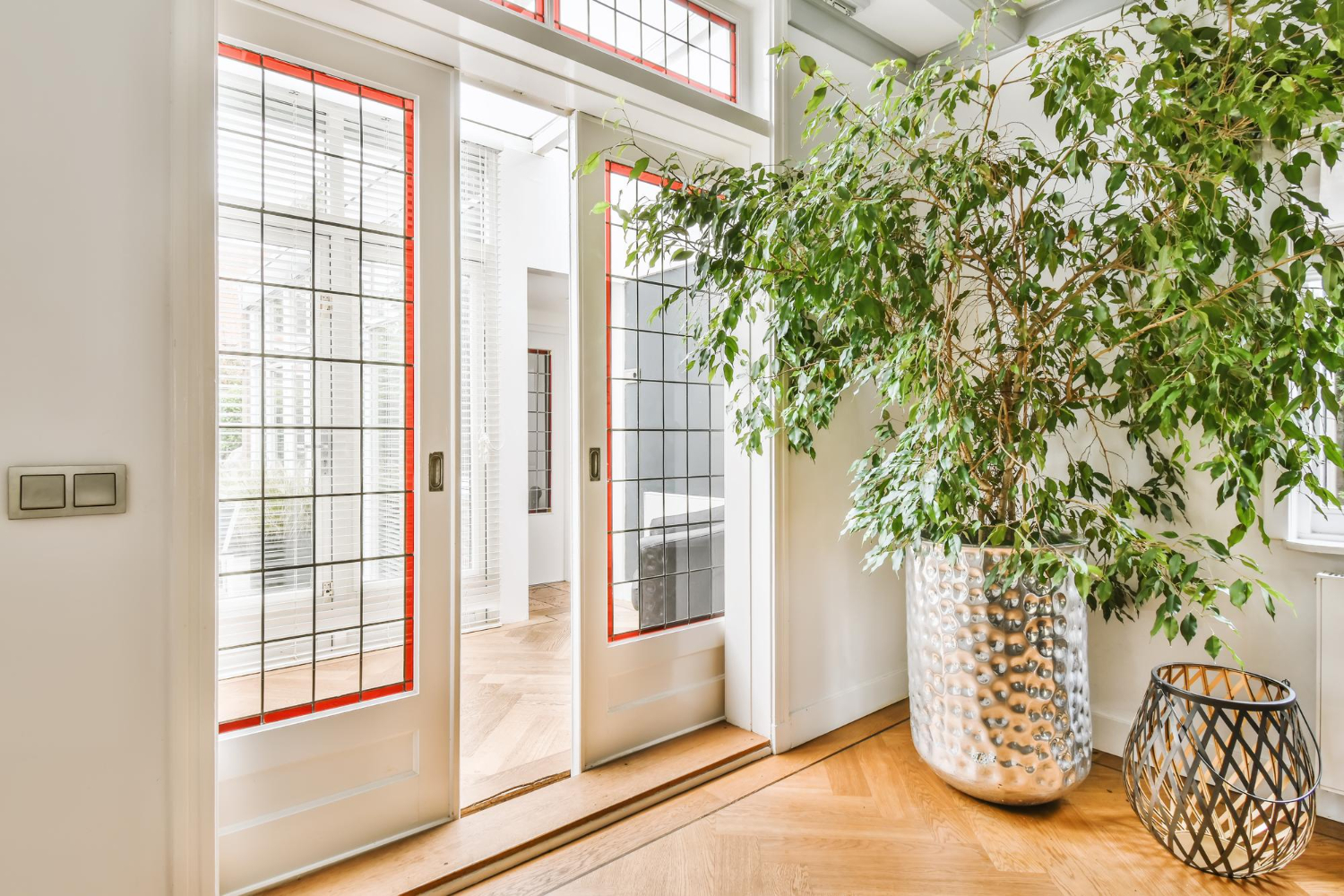
uPVC (Unplasticized Polyvinyl Chloride) doors are popular for their affordability and weather resistance.
Best for: Bathrooms, balconies, humid climates.
Avoid if: You need premium or luxurious aesthetics
Advantages:
- Weather-resistant
- Termite-proof
- Affordable
06. Fiberglass Doors
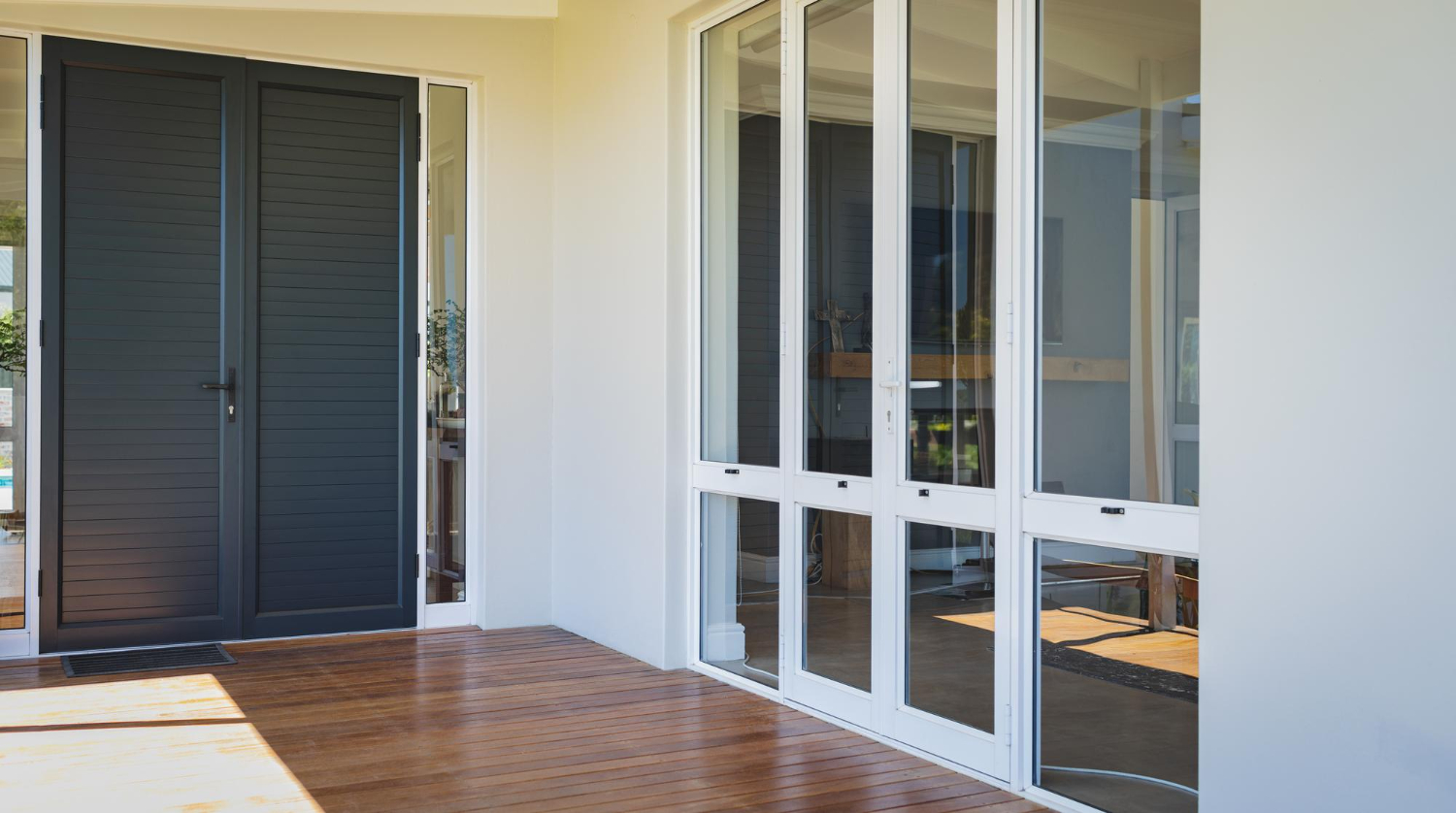
Fiberglass doors mimic wood but are more durable and resistant to environmental damage.
Best for: Exterior doors
Avoid if: If you are working on a tight budget and customisation options are a priority.
Advantages:
- Moisture-resistant
- Long-lasting
- Low maintenance
07. PVC Doors
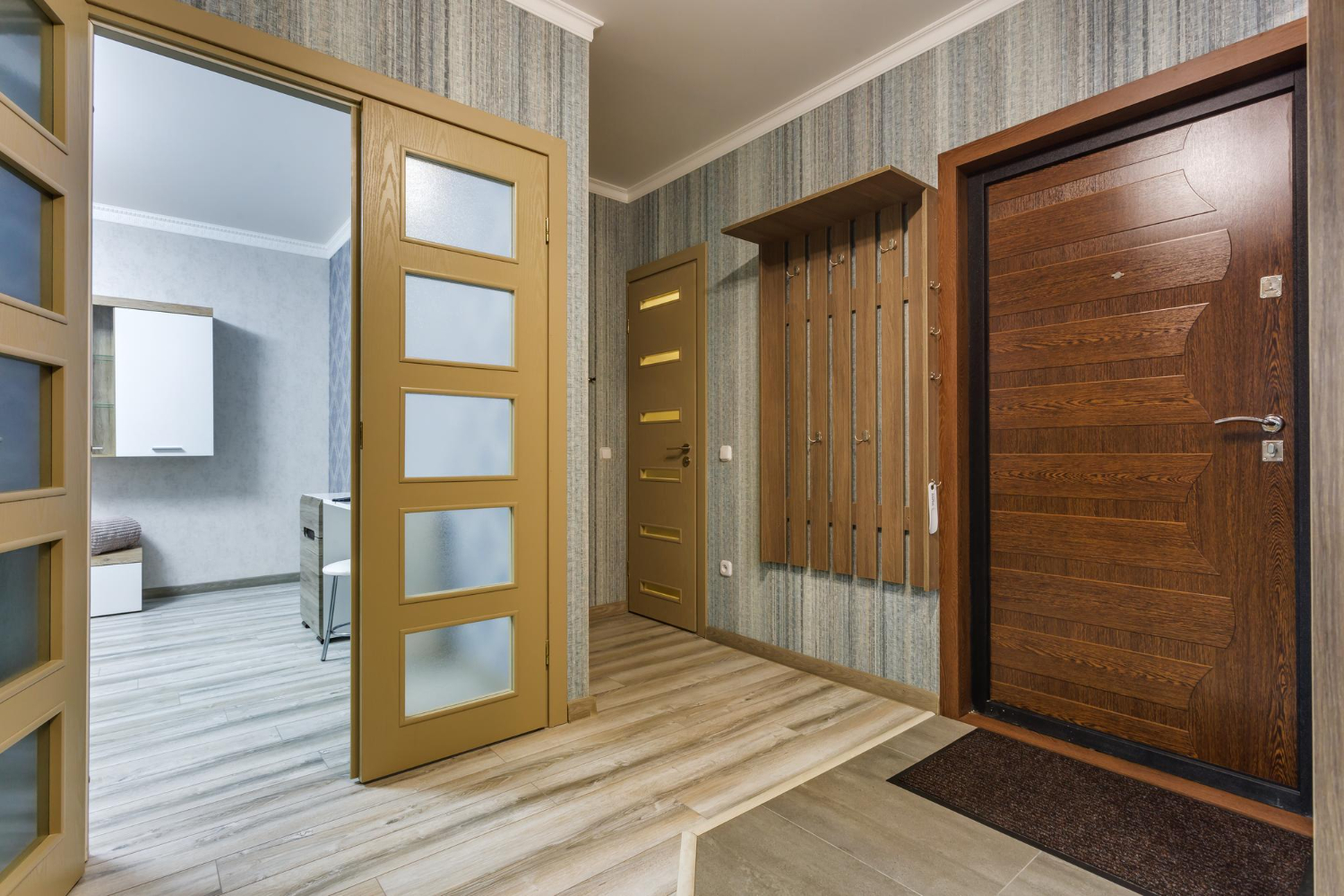
PVC doors are budget-friendly and suitable for basic applications.
Best for: Bathrooms or temporary setups.
Avoid if: Long-term durability is required.
Advantages:
- Lightweight
- Cost-effective
- Easy installation
08. Flush Doors
Flush doors have a smooth surface and are widely used in residential interiors. They come in two variants: solid core and hollow core.
Best for: Bedrooms and home offices.
Avoid if: If you are planning to install them in heavy impact areas.
Advantages:
- Affordable
- Durable
- Low-maintenance
- Modern Look.
Types of Doors Based on Operative Mechanism
If we classify types of doors based on operation of door shutter, hinged doors swing on hinges and are the most common. Sliding doors move on tracks and save space. Folding doors collapse in sections for wide openings. Pivot doors rotate on a central hinge. Rolling doors lift upward, ideal for garages and shops.
01. Hinged Doors (Swing Doors)
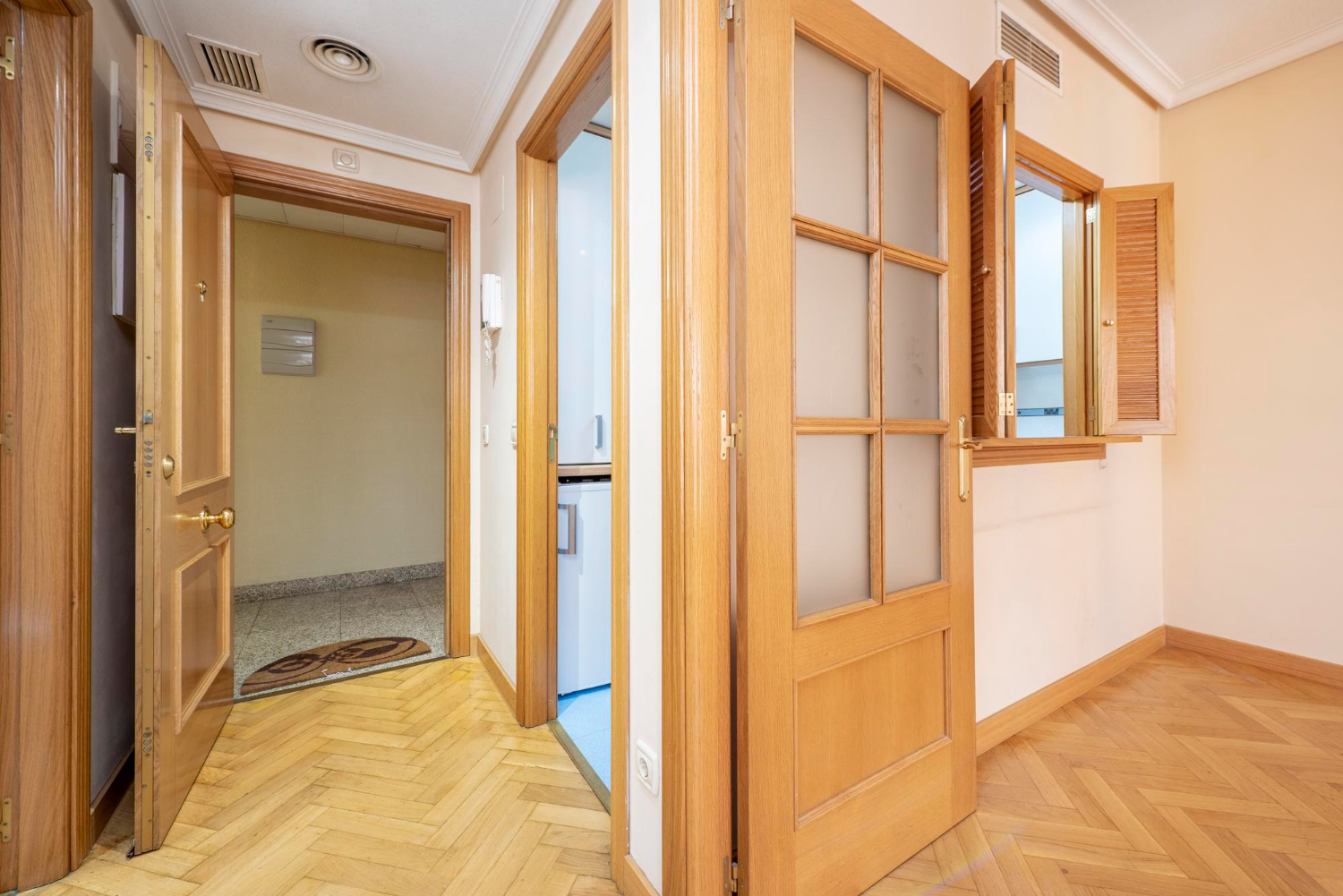
This is the most common type of door. It is attached to a frame with hinges. It is a type of swinging door.
Best for: Standard rooms.
Avoid if: Space is limited.
Advantages:
- Simple design
- Easy installation
- Suitable for most rooms
02. Sliding Doors
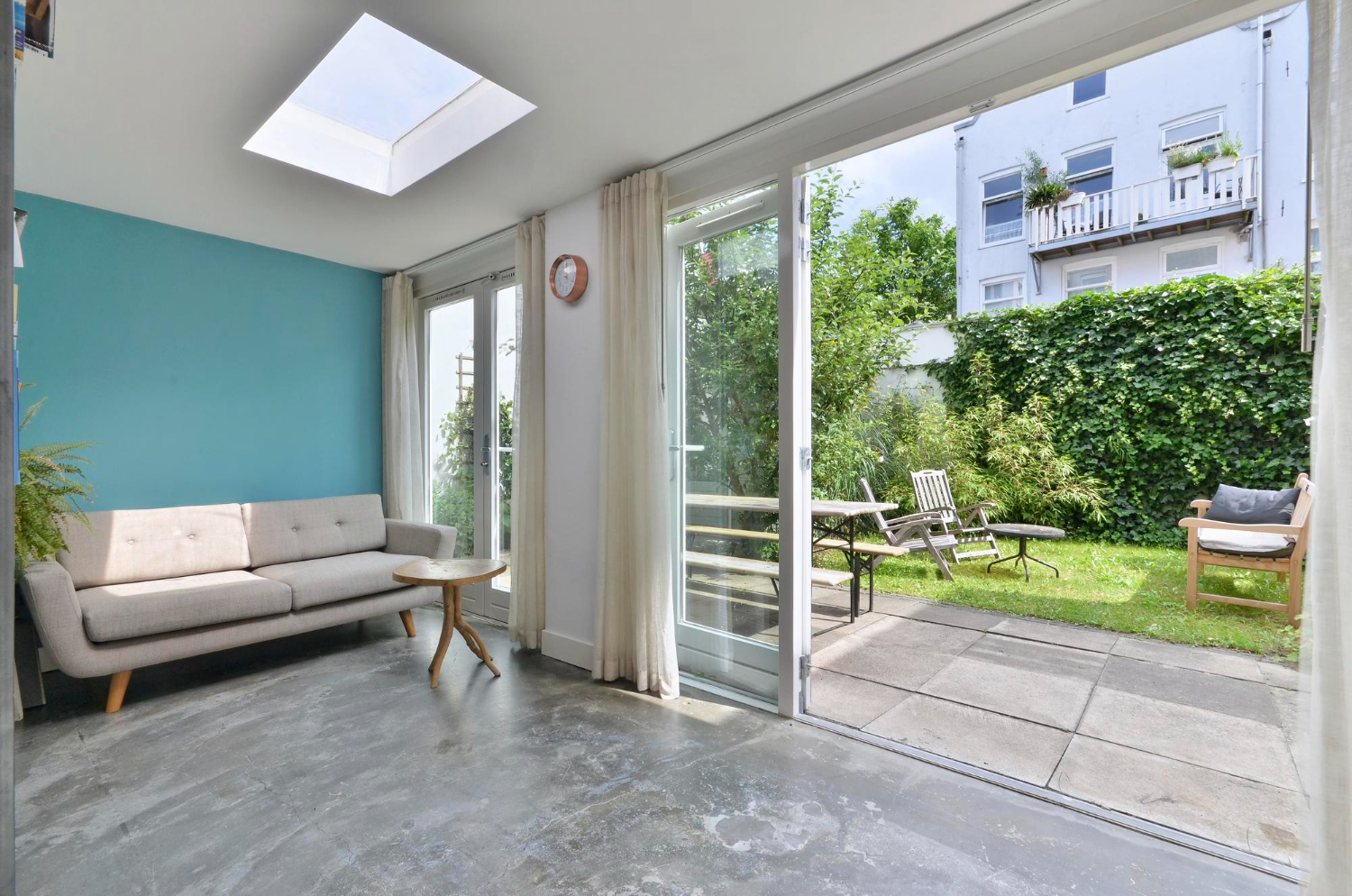
Sliding doors move horizontally along a track, making them perfect for compact spaces.
Best for: Compact homes, balconies.
Avoid if: Sound insulation and strong security are needed.
Advantages:
- Space-saving
- Modern look
03. Folding Doors (Bi-fold Doors)
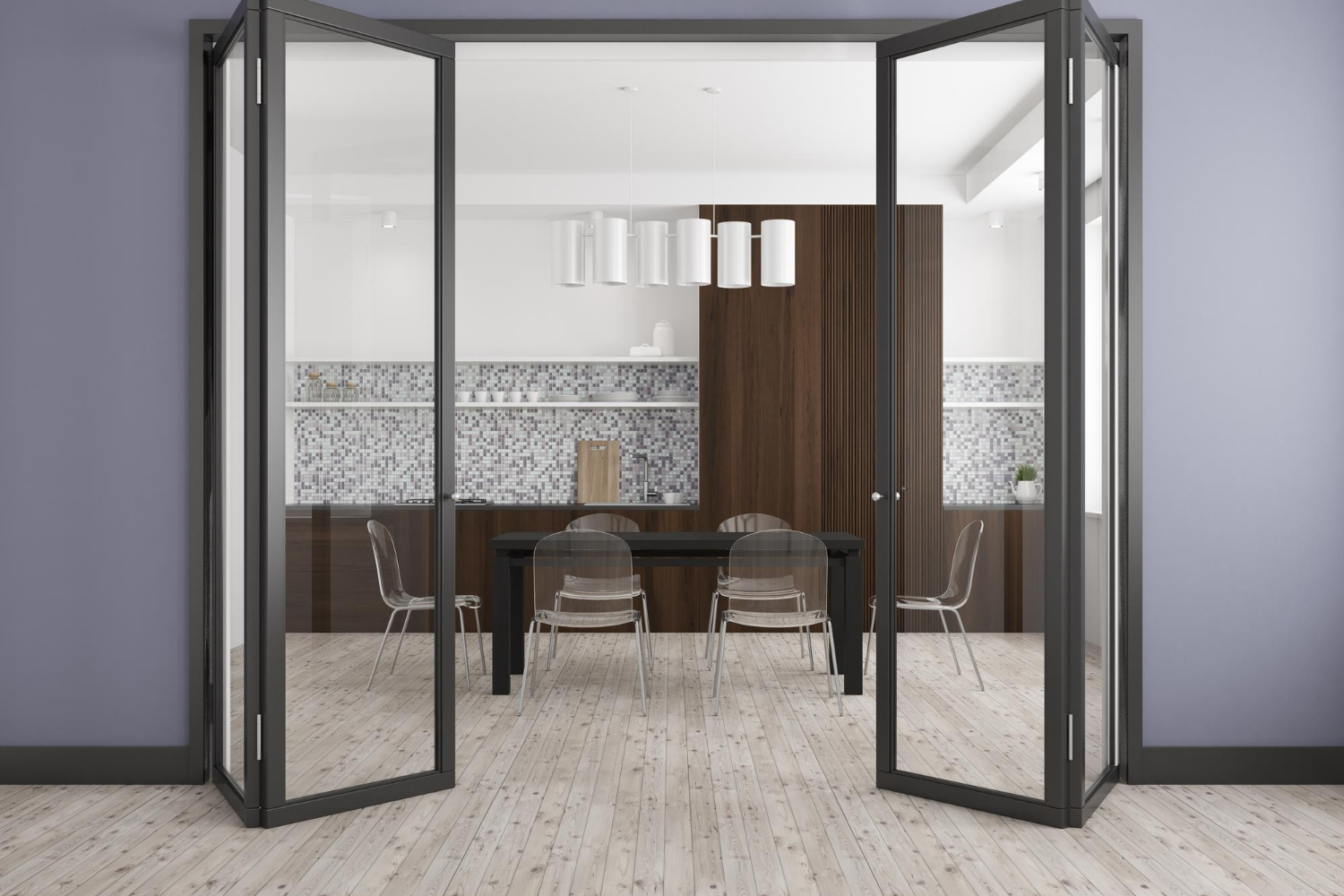
These doors consist of panels that fold against each other.
Best for: Closets, room partitions, and large openings.
Avoid if: Airtight sealing is required.
Advantages:
- Flexible
- Space-efficient
04. Pivot Doors
Pivot doors rotate on a pivot hinge instead of traditional side hinges. This door is a rotating type that uses a vertical axis, top and bottom spindles instead of conventional side hinges.
Best for: Luxury entrance and interiors.
Avoid if: Working on a tight budget.
Advantages:
- Stylish and luxurious
- Smooth operation
- Ideal space saver option.
05. Revolving Doors
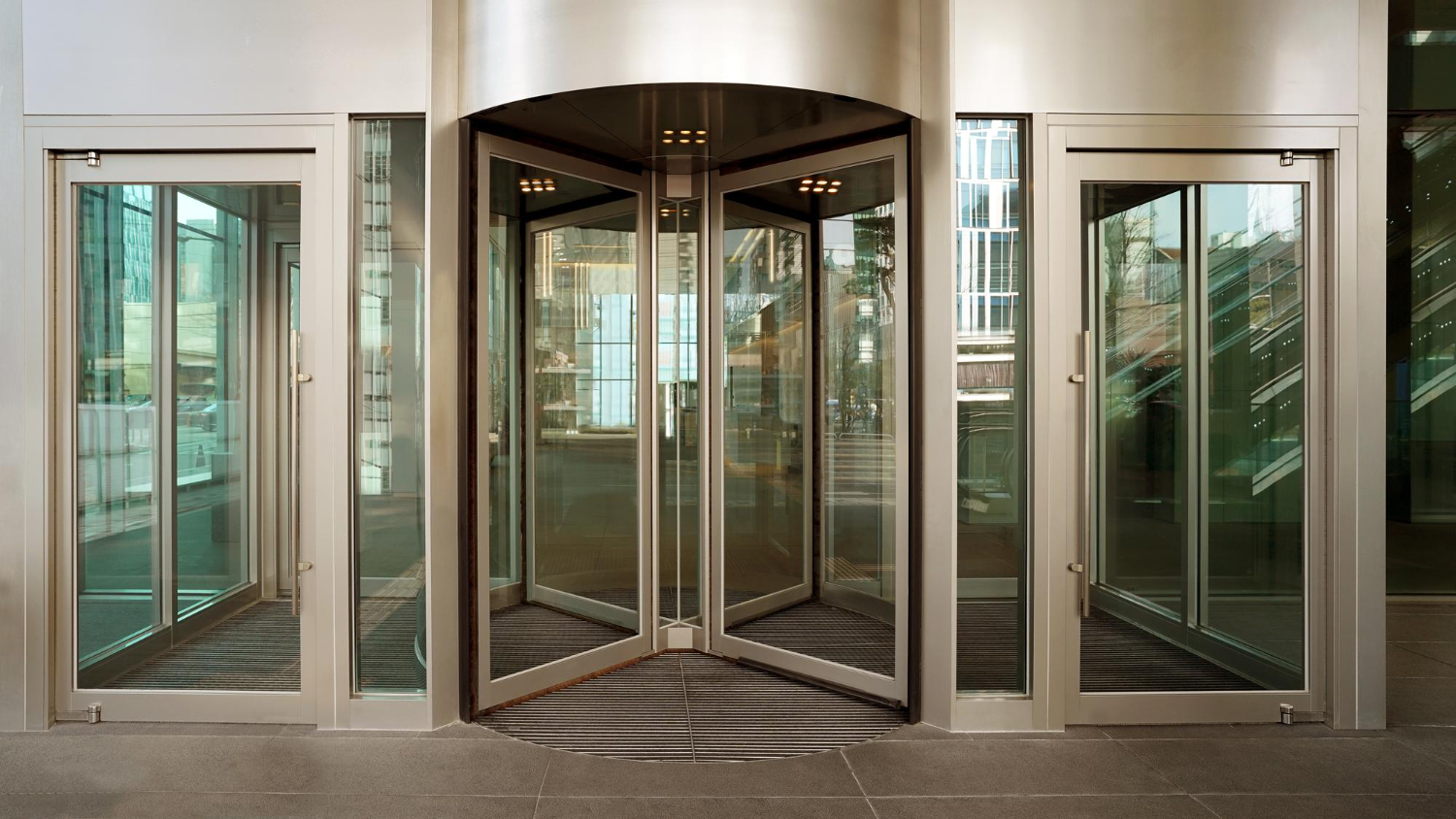
Revolving doors rotate continuously and are mostly used in commercial setups.
Best for: High-traffic areas.
Avoid: In residential spaces.
Advantages:
- Energy efficient, HVAC cost reducer.
- Minimises air infiltration.
- Offers acoustic benefits.
06. Rolling Shutter Doors
These doors roll up vertically and are commonly used in shops and other commercial spaces. However, you will find rolling shutters in the garages of residences.
Best for: Garages and shops
Avoid: Interior use
Advantages:
- High security
- Durable
- Space-efficient
07. Collapsible Doors

Collapsible doors are made of galvanised iron or steel sections that fold and stack to one side. expand.
Best for: Security gates in both homes and commercial spaces.
Avoid if: You want aesthetic interiors.
Advantages:
- Better Accessibility & security
- Improved airflow, natural light.
- Space Saver.
08. Dutch Doors (Stable Doors)
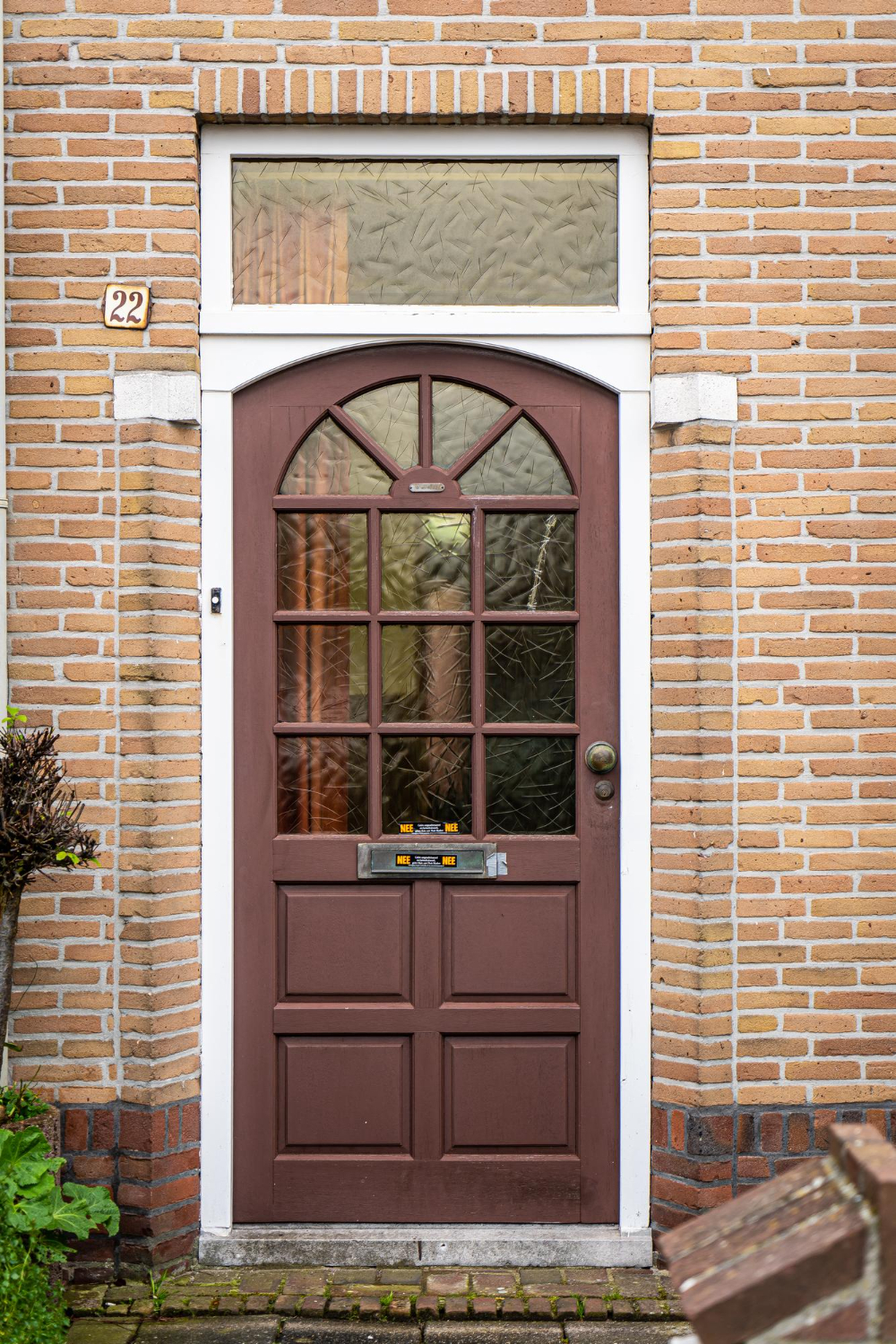
Dutch doors are split horizontally into two parts, allowing the top half to open independently. Best for: Kitchen, playroom, and nurseries, and in some instances as a front door.
Avoid if: High security is needed.
Advantages:
- Style and security
- Airflow and Ventilation-Friendly
- Versatile with Curb Appeal.
Types of Doors Based on Placement & Function
Different areas of a home or a building requires different types of doors based on location of doors based on functionality. Let’s check the available variants.
01. Interior Doors
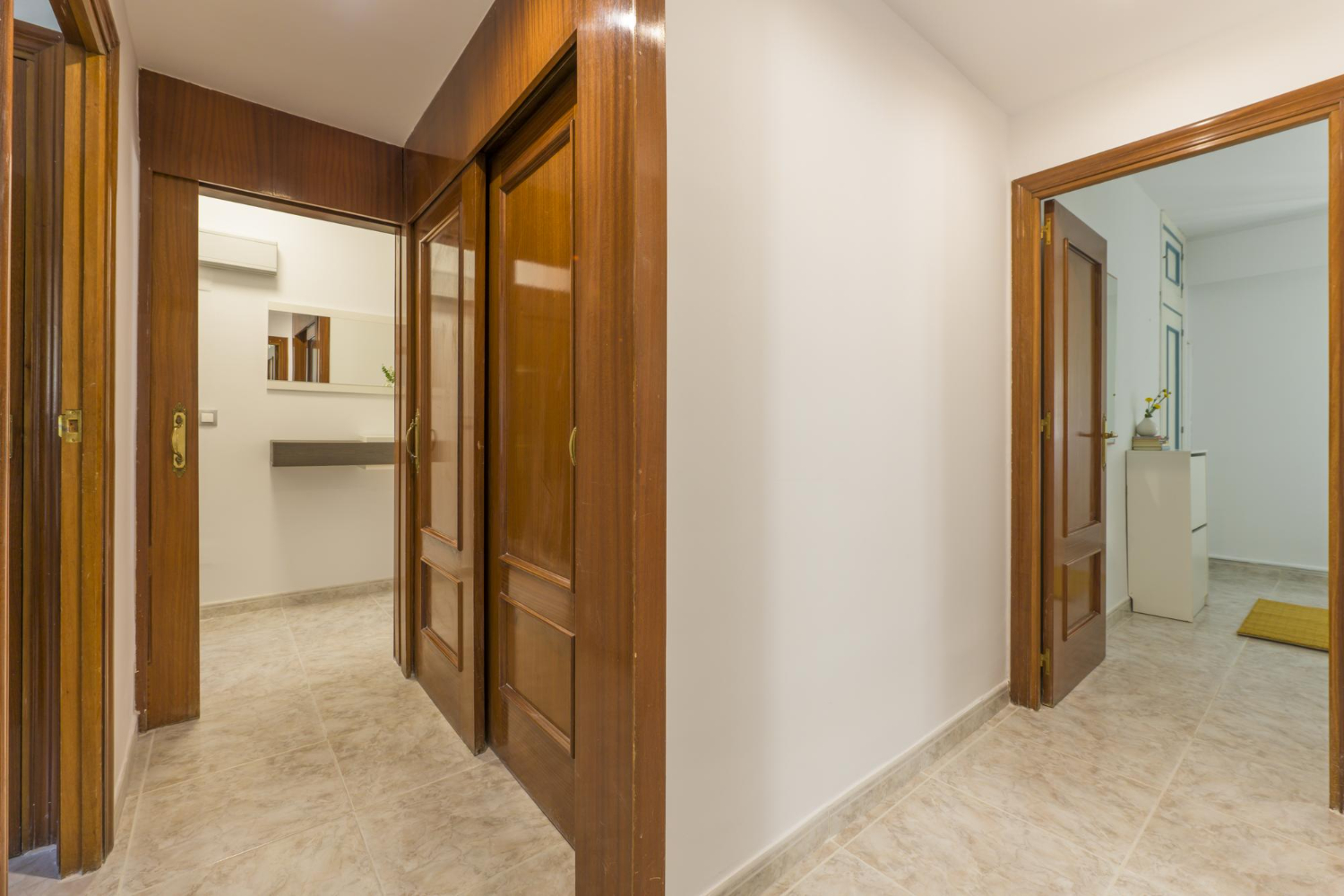
Interior doors are used inside the house to separate rooms, common spaces, corridors, and washrooms from the other parts of the home.
Best for: Bedrooms, bathrooms.
Avoid: Exterior use.
Advantages:
- Privacy and acoustic benefits
- Energy Efficiency
- Design flexibility.
02. Exterior Doors
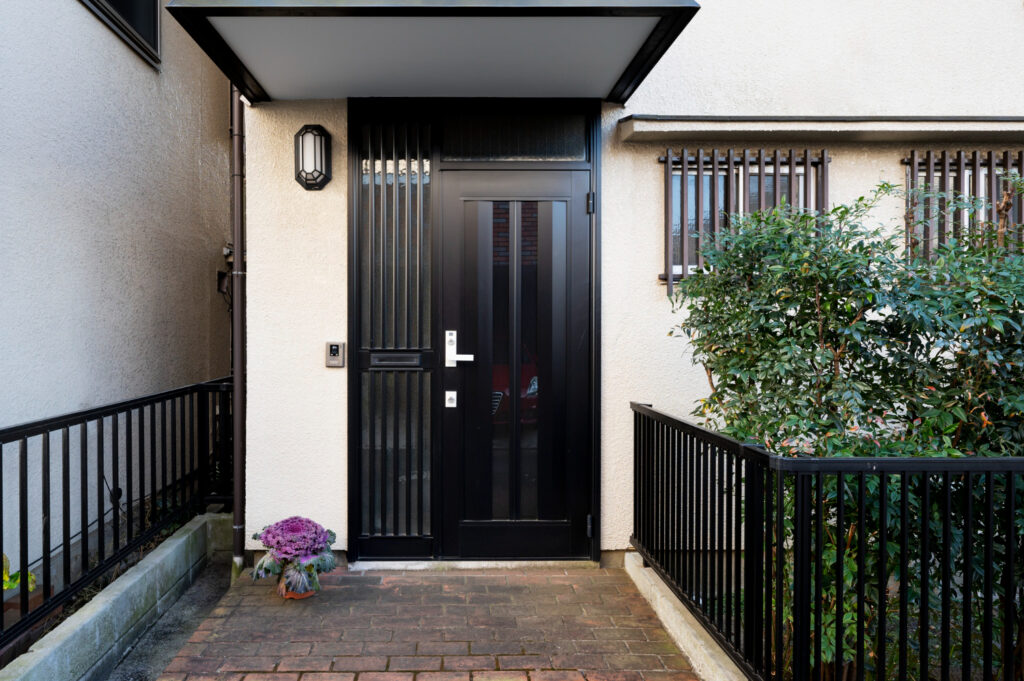
Exterior doors serve as the main entry points. For security, these doors are made strong and weather-resistant. Exterior doors can be manufactured with a wide range of materials. However, the common materials used for making exterior doors are wood, steel, Fiberglass, uPVC (Unplasticized PVC), aluminium, composite doors, glass doors, etc.
Advantages:
- Security
- Durability
- Insulation
03. Panel Door
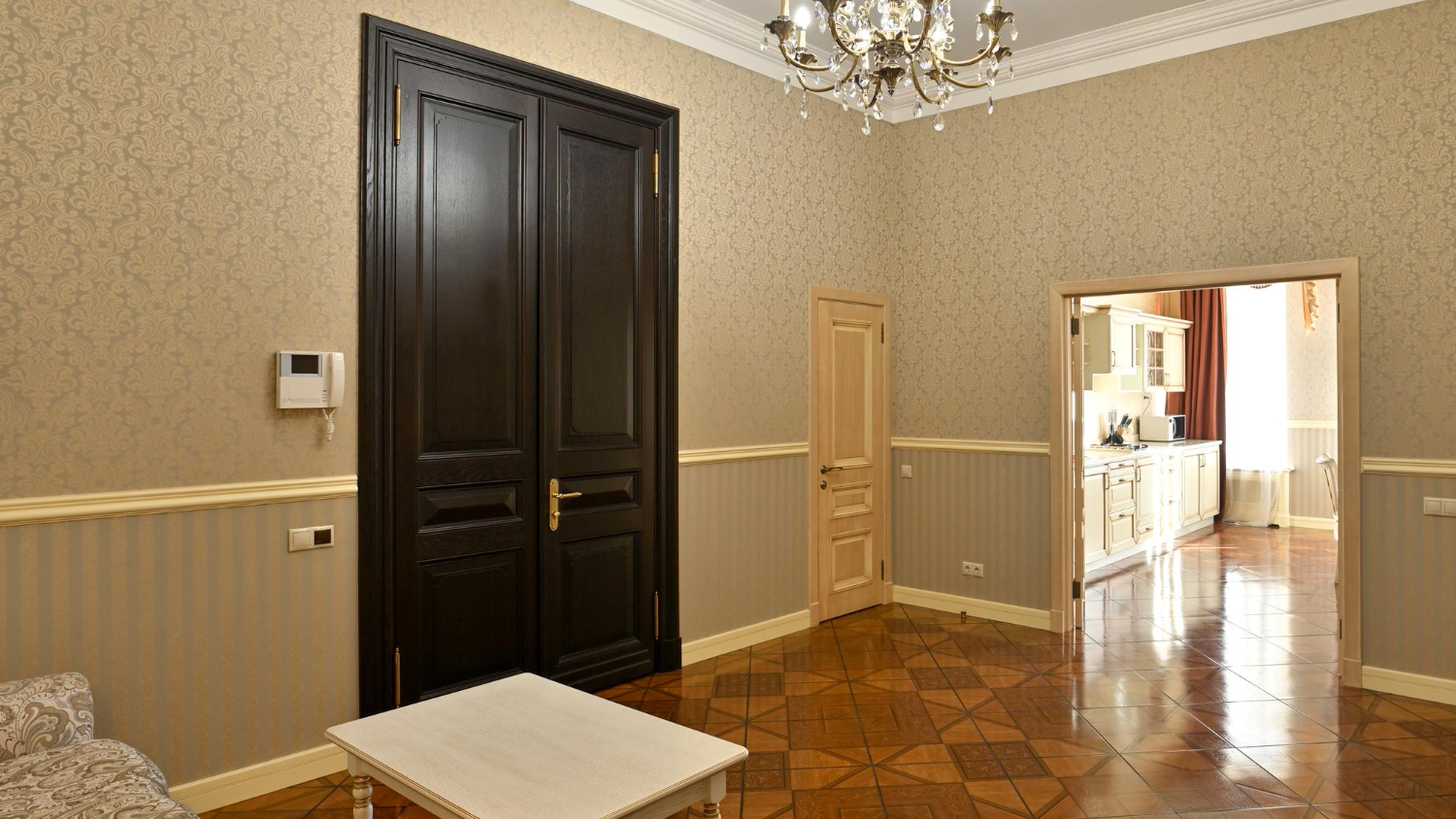
A panel door is a popular door design which is made of multiple panels. A frame holds all the frames together. A panel door is appreciated for its strength, durability, and aesthetic appeal. These doors are commonly used in both traditional and modern homes.
Best for: Traditional homes
Avoid if: You like minimalistic designs.
Advantages:
- Durable and strong.
- Versatile and decorative.
- Cost-efficient and customisable
04. French Doors
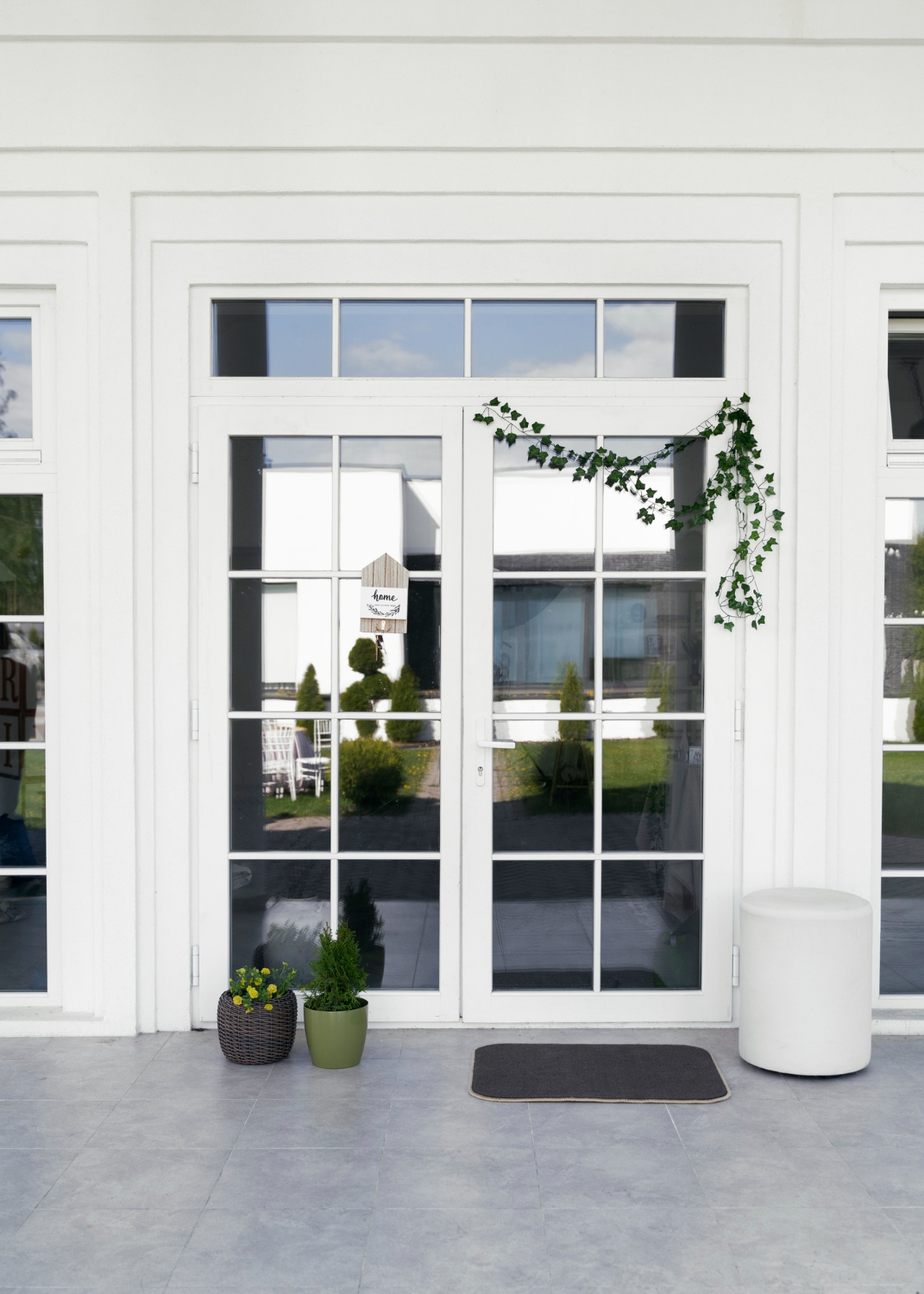
A French door consists of double doors with glass panels. Commonly, French doors are used as exterior doors, but in some cases, they may be used indoors too.
Best for: Balconies and patios
Avoid if: Privacy is a priority.
Advantages:
- Natural light and ventilation-friendly.
- Elegant
- Seamless indoor-outdoor connection.
05. Pocket Doors
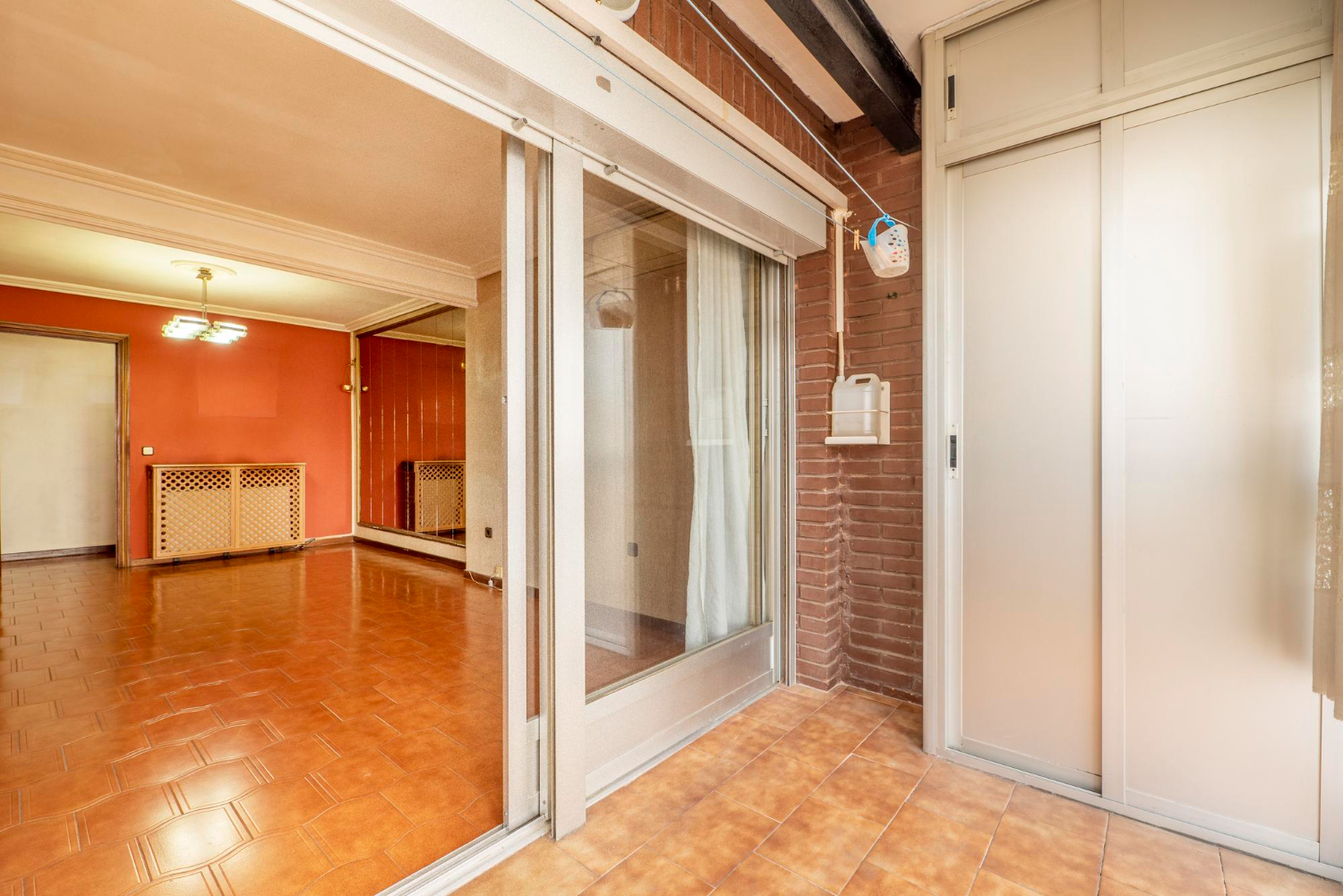
Pocket doors slide into the wall cavity, making them invisible when open.
Best for: Compact spaces.
Avoid if: Walls are not thick enough to accommodate the door.
Advantages:
- Space saver
- Minimalist design
- Easy to operate.
06. Louvered Doors
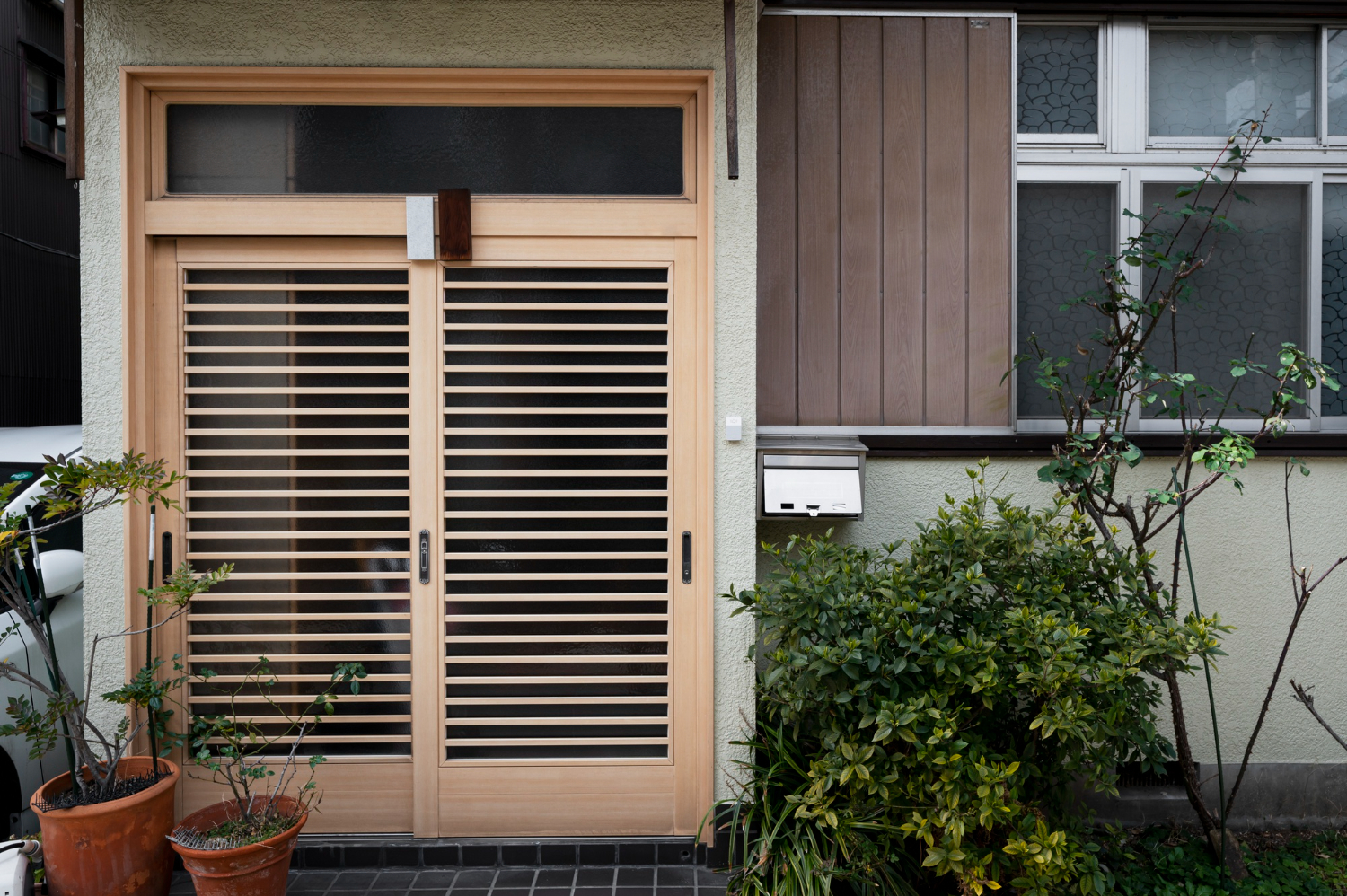
These doors have horizontal slats that allow air circulation. A louvered door can be of different materials like wood, metal, plastic, vinyl, etc.
Best for: Closets, laundry room, pantries, utility rooms and as a decorative room divider.
Avoid if: Privacy is a priority.
Advantages:
- Better airflow
- Versatile.
- Can prevent mould and mildew formation.
07. Storm Doors
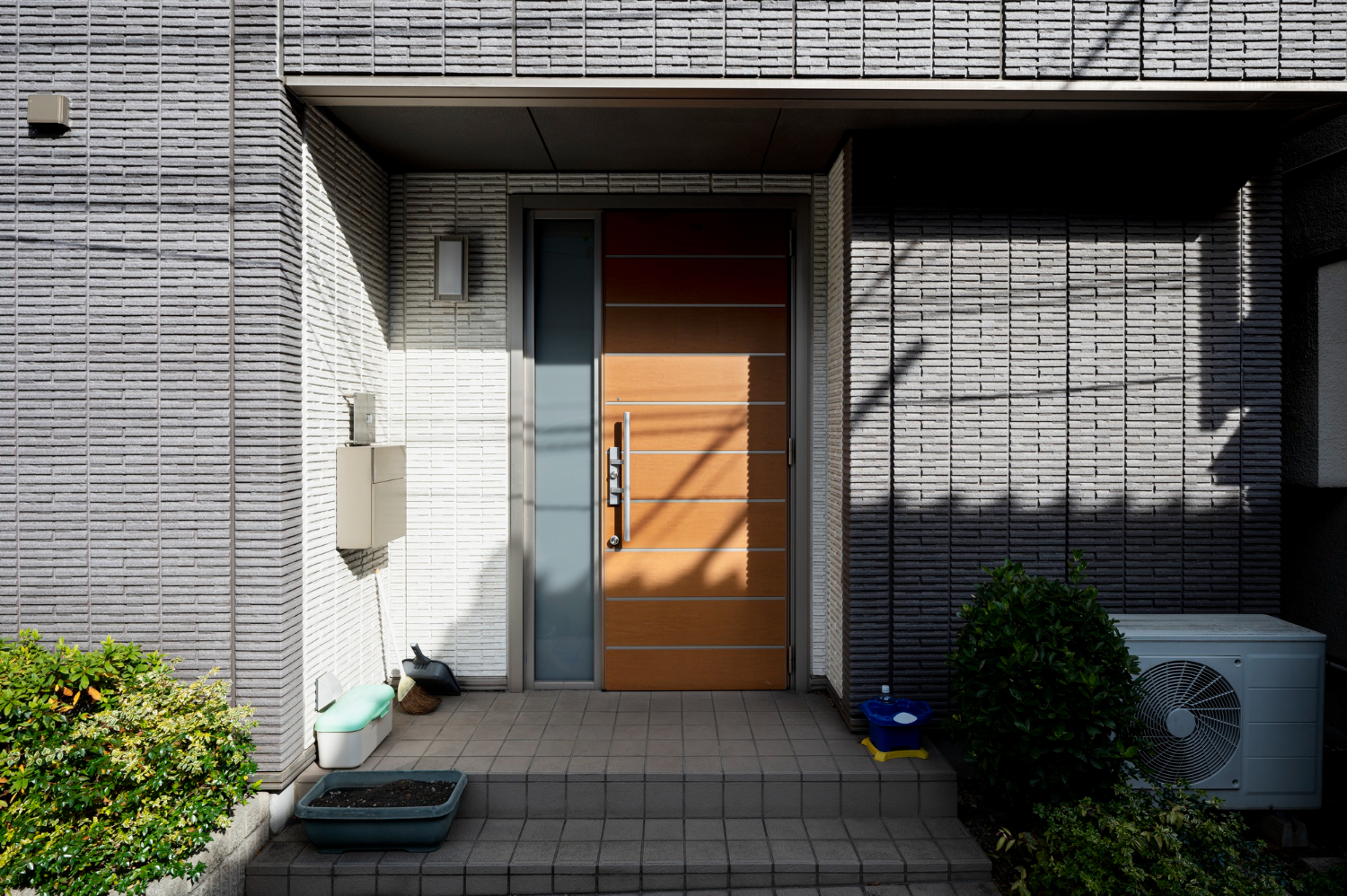
Storm doors are installed in front of exterior doors for added protection against harsh weather. It works like a barrier to the main door. This door is usually made of wood, aluminium, or vinyl.
Best for: Exterior protection
Avoid if: You live in a mild climatic region.
Advantages:
- Provides enhanced security.
- Boosts energy efficiency of HVAC system.
- Acoustic benefits
08. Soundproof Doors
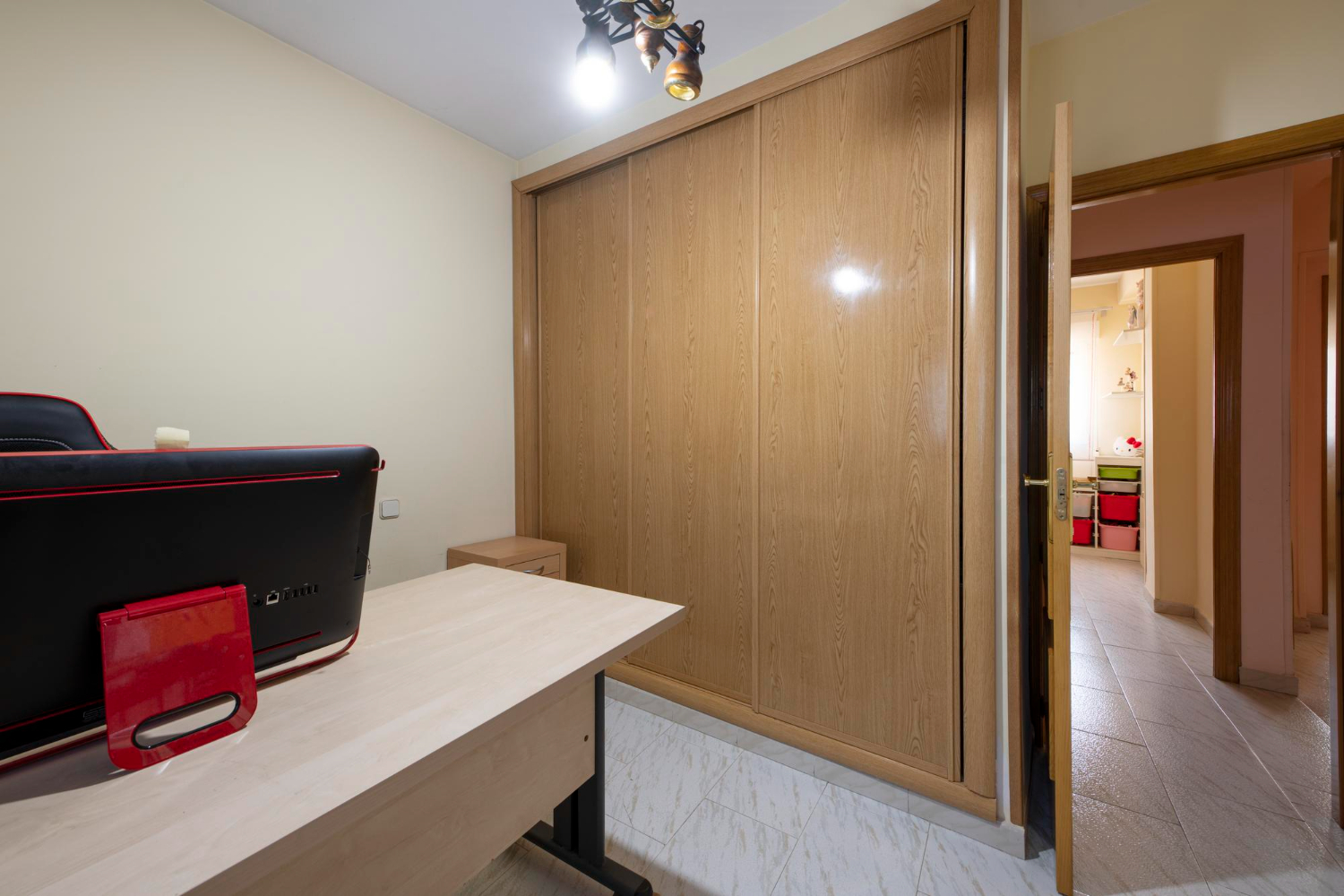
A soundproof door blocks noise effectively.
Best for: Studios, offices, and seminar halls.
Avoid if: Budget is an issue.
Advantages:
- Privacy
- Noise reduction
- Durability and energy efficiency
Quick Door Selection Guide
- Purpose: Decide if the door is for security, privacy, or simply aesthetics.
- Climate: Analyse which door survives your local climate with minimum maintenance.
- Budget: Always plan your budget and stick well within that bracket.
- General Rule: Small rooms→ Sliding/Pocket
- Main door→ Solid wood/ Ste
- Budget homes→ Flush/ PVC
- Premium homes →Pivot/ French
Common Mistakes to Avoid
Doors can make or break the look of your home, so be cautious not to make these mistakes.
- Choosing doors only for their appearance
- Ignoring swing space
- Not considering maintenance
- Using wood in moisture-prone areas
- Ignoring local climate
- Not investing in good quality hinges, handles and locks.
- Overlooking sound insulation needs.
How to Choose the Right Door for Your Space in 2026
Doors are no longer functional barriers. They are design statements and smart interfaces. Why stick to basics when your doors can reflect your lifestyle, technology, and much more? If you want to explore some key trends shaping door choices this year, here are a few choices for you.
1. Statement Doors
Minimalism may be trending, but oversized doors are everybody’s favourite this year. Pivot doors, fluted panels and textured finishes are trending in premium homes. Main doors are standing out as an architectural highlight, often using contrasting colours, metal inlays or mixed materials.
2. Seamless Indoor-Outdoor Living
Fluid spaces have become so important nowadays that large sliding and folding glass doors are in the spotlight. Homeowners want to blur away the boundaries between indoor and outdoor spaces, especially in balconies, patios, and garden-facing spaces. That is why floor-to-ceiling glass panels with slim aluminium frames are dominating modern layouts.
3. Smart Doors and Integrated Security
2026 is seeing a lot of homes embracing tech-enabled doors. Smart locks, biometric access, video door integration and app-controlled systems are becoming mainstream, even in mid- range homes.
4. Sustainability-Driven Materials
Eco-conscious living is influencing door materials significantly. Engineered wood, recycled aluminium, and low VOC finishes are gaining traction. Homeowners are prioritising durability with minimal environmental impact.
5. Minimalist and Flush Finishes
Clean lines and clutter-free interiors continue to dominate. Flush doors with handle-less designs, concealed frames and matte finishes are in vogue.
Finally, choosing a door is less about picking a standard type and more about aligning with how you live. Whether it’s smart security, space optimisation, or visual impact, the right door is now expected to perform, adapt and impress, all at once.
Conclusion
Hope this guide has provided you enough insight into the types of doors, and the need to choose one carefully. Tell us about your experience of choosing a door for your dream home in the comment section below.
Also Read: Most Preferred Door Types and Materials for Your Home
FAQs on Types of Doors in Home
1. What are the Different Types of Doors Used in Modern Homes?
Modern homes use wooden, glass, steel, uPVC, and flush doors. Designs include sliding, hinged, folding, and pocket doors for functionality.
2. Which Type of Door Is Best for the Main Entrance Security?
Steel, solid wood, and fiberglass doors are best for entrances. They offer strength, durability, and support for advanced locking systems for safety.
3. How to Choose the Right Type of Door for Each Room?
Consider space, usage, privacy, and design. Sliding suits compact areas, while wooden or flush doors work well for bedrooms and interiors.
4. What are the Most Durable Door Materials for Long-Term Use?
Steel, fiberglass, and solid wood are highly durable. They resist wear and weathering and require minimal maintenance over the long term.
5. Which Door Types are Best for Small Spaces and Apartments?
Sliding, pocket, and folding doors are ideal. They save space, improve movement, and provide functionality without taking up extra floor space.
Author & Expert Review
Written By:  Gaurav Mishra | Civil Engineer & Content Writer

| Credentials: B.E. (Mahavir Swami College, Surat), Registered with Bhagwan Mahavir University (BMU). Experience: Civil Engineer with 5+ years of content writing experience, currently writing impactful articles for Gharpedia, part of SDCPL. Expertise: Specializes in writing well-researched content on residential construction, construction materials, design planning, on-site practices, and safety, blending technical accuracy with everyday clarity. Find him on: LinkedIn |
Verified By Expert: Ravin Desai – Co Founder – Gharpedia | Co Founder – 1 MNT | Director – SDCPL

This article has been reviewed for technical accuracy by Ravin Desai, Co-Founder of Gharpedia and Director at Sthapati Designers & Consultants Pvt. Ltd. With a B.Tech. in Civil Engineering from VNIT Nagpur and an M.S. in Civil Engineering from Clemson University, USA, and over a decade of international and Indian experience in the construction and design consultancy sector, he ensures all technical content aligns with industry standards and best practices.
Find him on: LinkedIn