





Table of Contents
Quick Summary
- Understand different steel roof structures including LGS framing, steel trusses, PEB and space frames
- Compare steel roof assemblies with RCC slab roofs for practical decision-making
- Learn how steel grade, protective coating and load calculations affect performance
- Explore the importance of span planning and connection detailing
- Check supplier documents and fabrication requirements before purchase
- Review Indian standards relevant to steel roof design and approval
- Get indicative cost ranges and budgeting considerations for Indian projects
- Avoid common buying mistakes that increase long-term maintenance and repair costs
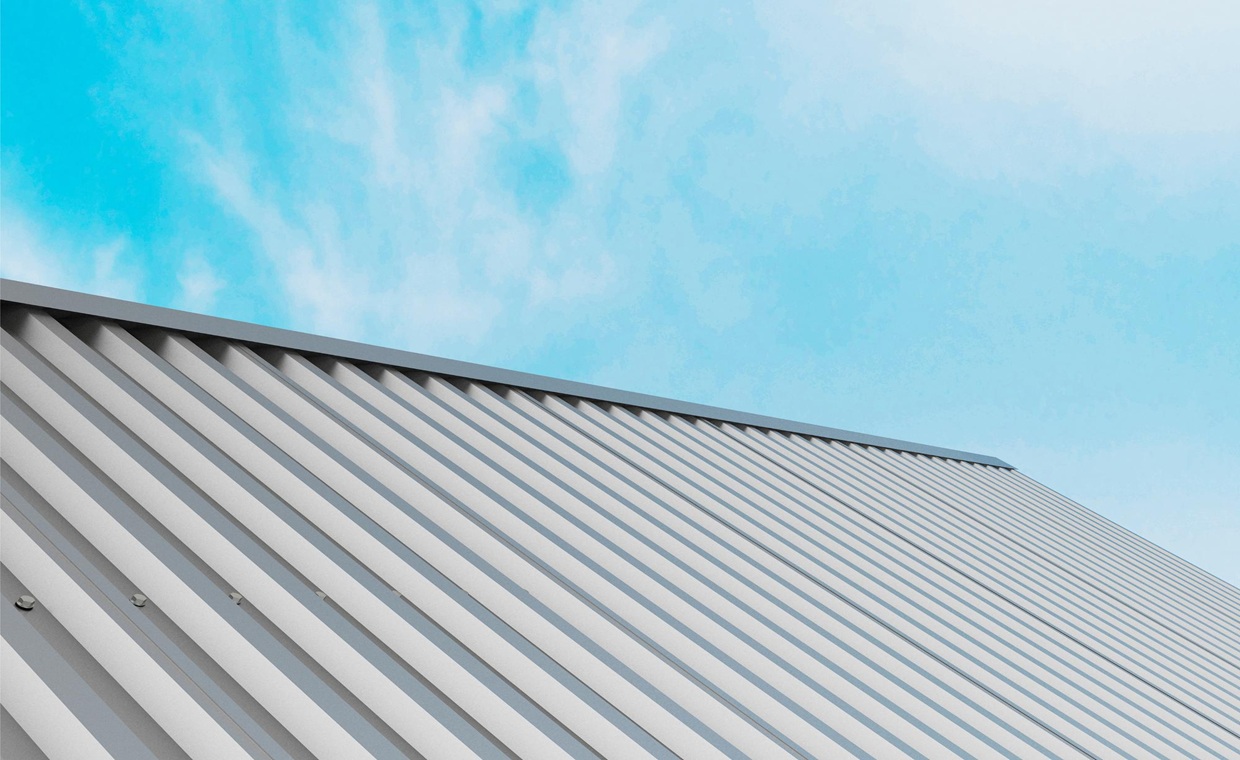
Whether you are building a new home, adding a floor, or extending an existing structure, choosing the right steel roof structure requires more than picking the cheapest supplier. Steel roofing frames have become increasingly common across India – from residential extensions in Gujarat to small commercial buildings in Pune – thanks to their structural versatility, speed of construction, and long-term performance when properly designed and installed.
But with many product types, varying material grades, and no shortage of suppliers, the buying decision can be confusing. This guide covers the key factors every homeowner and small commercial builder should understand before purchasing.
Choose a steel roof structure by matching the roof type, span, steel grade, coating system, load calculation, connection detail, and supplier documentation to your project location and building use. For most Indian homes and small commercial buildings, LGS framing or steel trusses are generally more practical than full PEB or space-frame systems. Always have the structure designed or verified by a qualified structural engineer under the applicable Indian standards, covering steel design, wind load, seismic load, and local authority approval requirements.
Types of Steel Roof Structures: Which One Fits Your Project?
| Roof Structure Type | Best For | Not Ideal For |
| LGS (Light Gauge Steel) Framing | Homes, extensions, light residential roofs | Heavy roof finishes without proper design check |
| Steel Truss | Pitched roofs, moderate spans, rain-prone areas | Flat usable terrace roofs |
| Pre-Engineered Building (PEB) Frame | Large spans, workshops, small commercial roofs | Standard homes with simple roof geometry |
| Space Frame | Auditoriums, malls, very large spans | Normal residential roofing |
Light Gauge Steel (LGS) Framing
Cold-formed steel sections used for residential homes and light commercial roofs. Suitable for single or double-storey construction. LGS design should account for member buckling, screw connections, bracing, corrosion protection, fire performance, and compatibility with the selected roofing sheet system – not just member size alone.
Steel Trusses
Triangular truss systems used for pitched roofs. Well-suited for areas with high rainfall or wind pressure and for moderate spans where column-free space is needed.
Pre-Engineered Steel Buildings (PEB)
Factory-fabricated frames designed to specific dimensions. More relevant for warehouses, workshops, and larger commercial layouts than for standard homes.
Space Frame Structures
Complex three-dimensional steel grid systems for very large-span roofs such as auditoriums or commercial complexes. Not typically used in residential construction.
Steel Roof Structure vs. RCC Slab Roof: A Complete Roof Assembly Comparison
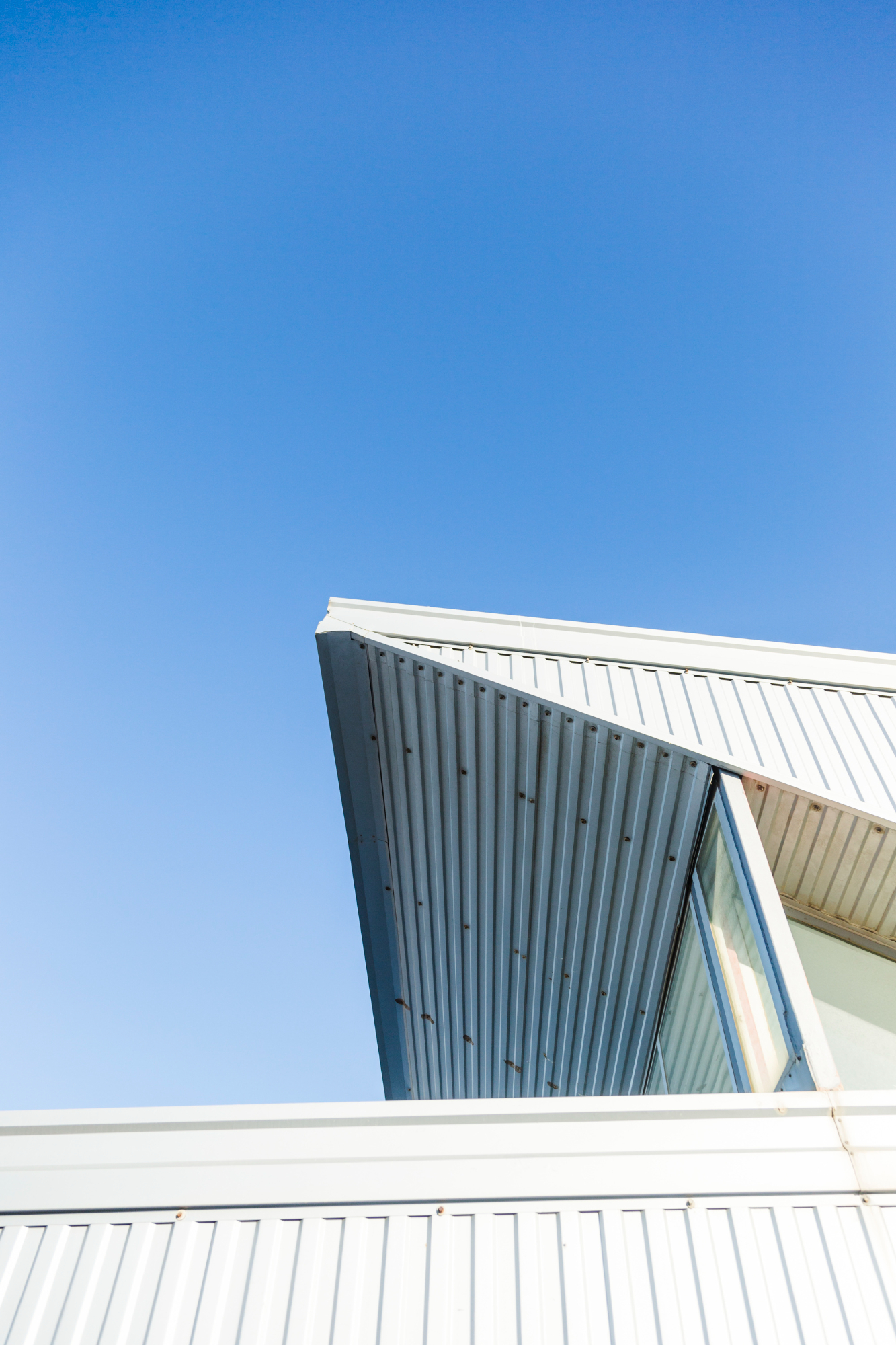
Steel roof structures can be faster and lighter than RCC slabs in many renovation, extension, and large-span projects. However, they are not a one-to-one replacement in every situation.
An RCC slab typically serves multiple functions simultaneously: structural floor or roof, fire resistance, acoustic separation, thermal mass, and a base for waterproofing – all in one system. A steel roof frame combined with roofing sheets will usually also require insulation, an underlayment or liner sheet, ceiling finish, dedicated waterproofing, fire protection treatment, and drainage detailing to achieve comparable performance.
Before deciding, compare the complete roof assembly – not just the structural frame – against your thermal, acoustic, fire, maintenance, and waterproofing requirements.
6 Key Factors to Check When Buying a Steel Roof Structure
1. Steel Grade and Material Standards
Always ask for the steel grade and request material test certificates (MTC) from the supplier. For India, material standards such as IS 2062 or IS 1161 are commonly referenced for structural steel and steel tubes respectively, but they are only one part of the requirement. The structural design must also comply with the applicable design and load standards – see the Indian Codes section below.
Do not select a steel structure based on appearance or fabricator assurance alone. Substandard material is one major risk factor in roof performance failures, alongside design errors, poor connections, inadequate corrosion protection, incorrect load assumptions, weak installation, and unauthorized modifications.
2. Galvanization and Protective Coating
Bare structural steel corrodes. The appropriate protection level depends on your location and exposure:
- Hot-dip galvanizing – Best protection for humid, coastal, and industrial environments. Ask for coating thickness in microns, not just “galvanized.”
- Epoxy or zinc primer coating – Suitable for most inland locations when correctly applied and maintained.
- Powder coating – Used for aesthetic finish on visible steel elements; typically combined with a primer system.
For coastal cities such as Mumbai, Chennai, Kochi, or Vishakhapatnam, confirm not only the coating type but also: fastener specification and coating, cut-edge treatment, paint system compatibility, drainage details, and maintenance interval. Inadequately protected steel in coastal or high-humidity zones can show significant deterioration within a few years.
3. Load-Bearing Capacity
Your structural engineer must calculate the required load capacity based on:
- Dead load – Weight of roofing sheets, insulation, purlins, ceiling, and other permanent elements
- Live load – Maintenance personnel, water ponding on low-slope roofs
- Wind load – Based on IS 875 Part 3 and your project location
- Seismic load – Based on IS 1893 and the seismic zone of your site
Do not rely on a vendor’s generic load statement. The load design must be specific to your roof geometry, building use, and site location.
4. Span and Member Spacing
The spacing between rafters or purlins determines the load carried by each member and the roofing sheet specification required. Wider spacing reduces the number of steel members but requires stiffer roofing sheets. A structural engineer can help identify the right balance for your budget and roof type.
5. Connection Details
Bolted connections are generally easier to erect on site and easier to inspect or modify later than fully welded connections. Connection plates, bolts, welds, and anchor bolts should be specified by the structural engineer. Do not substitute bolt grades, plate thickness, weld size, or hole details on site without engineering approval – connection failures are a common source of structural problems in steel roofs.
6. Supplier Reliability and Documentation
A reliable manufacturer or supplier should provide:
- Fabrication drawings with member marks and connection details
- Accurate cut-to-size members to reduce site waste and error
- Material test certificates for steel used
- Technical support during erection
- Clear scope definition covering what is and is not included
If you are evaluating prefabricated or pre-engineered options from suppliers with international manufacturing experience, it is worth checking their project references, customization capability, and documentation standards. For example, you can learn more about Xinguangzheng, a steel building manufacturer with experience supplying customized structural steel solutions for residential, commercial, and industrial applications across multiple markets.
Indian Standards to Confirm Before Buying
The following Indian standards are relevant to steel roof structure design and procurement. Your structural engineer should confirm which apply to your specific project:
| Standard | Scope |
| IS 800:2007 | General construction in steel – the primary Indian design code for structural steel |
| IS 801 | Cold-formed light gauge steel structural members (relevant for LGS framing) |
| IS 875 Part 1 | Dead loads |
| IS 875 Part 2 | Imposed loads |
| IS 875 Part 3 | Wind loads |
| IS 1893 | Earthquake-resistant design |
| IS 2062 | Hot-rolled steel for structural use |
| IS 1161 | Steel tubes for structural purposes |
Wind and seismic design should be based on current IS 875 and IS 1893 provisions, your project location, building use, roof geometry, local authority requirements, and a qualified structural engineer’s calculation. Local municipal approval and building permit requirements should also be confirmed before construction begins.
Pre-Purchase Checklist
- Structural design drawings prepared and verified by a licensed structural engineer
- Applicable Indian standards confirmed (IS 800, IS 875, IS 1893, IS 2062 as relevant)
- Steel grade and material test certificates requested from supplier
- Protective coating type selected based on location and exposure
- Load calculations completed covering dead, live, wind, and seismic loads
- Connection type and details specified by structural engineer
- Delivery and fabrication lead time confirmed and aligned with site program
- Scope of supply clearly defined – what is included and excluded
- Local authority approval or permit requirements checked
- Site dimensions double-checked before placing fabrication order
Indicative Cost Reference for Steel Roof Structures in India
The figures below are indicative ranges for roof frame materials only and may exclude roofing sheets, insulation, gutters, flashing, fasteners, transport, erection labour, structural design fees, GST, and local approval costs. Actual costs vary significantly by location, steel market conditions, design complexity, and supplier.
| Structure Type | Indicative Frame-Only Range (per sq ft) | Notes |
| LGS framing | ₹80 – ₹150 | Light residential roofs; design-dependent |
| Steel truss | ₹120 – ₹220 | Pitched roofs; varies by span and pitch |
| PEB roof frame | ₹200 – ₹400+ | Large spans; not directly comparable to residential |
For a realistic project budget, always request a detailed scope-based quotation rather than comparing per-square-foot figures across suppliers with different inclusions.
Common Mistakes to Avoid
Comparing prices without comparing scope. Two quotations for the same area can differ significantly if one includes erection and roofing sheets and the other does not. Always confirm what is included before comparing.
Skipping structural design. Many homeowners rely on the fabricator to “figure it out.” Always involve a licensed structural engineer – even for small residential roofs. Design errors are one of the most common contributors to roof problems.
Ignoring corrosion protection details. Asking for “galvanized steel” is not enough. Confirm coating thickness, fastener specification, cut-edge treatment, and maintenance requirements – especially in coastal or high-humidity locations.
Underestimating lead time. Prefabricated steel structures typically require 3–6 weeks of fabrication after drawings are confirmed. Plan your construction program accordingly.
Treating PEB costs as comparable to residential roof costs. PEB systems are designed for larger spans and different structural systems. Their cost per square foot is not a useful reference for a standard home roof.
Also Read: When Repair Is No Longer Enough_ A Homeowner’s Guide to Full Roof Replacement
FAQs – Marital Home Division During Divorce
1. Which steel roof structure is best for residential homes in India?
For most homes, light gauge steel (LGS) framing and steel trusses are practical choices because they offer faster construction, lower dead load and flexible roof design options.
2. Is a steel roof cheaper than an RCC slab?
A steel roof frame may reduce construction time and structural weight, but total cost depends on roofing sheets, insulation, waterproofing, labour and finishing requirements.
3. How long does a steel roof structure last?
A properly designed and protected steel roof structure can perform for several decades with periodic inspection and maintenance.
4. Which coating is recommended for steel roofs in coastal areas?
Hot-dip galvanisation combined with suitable fasteners and maintenance planning is generally preferred for humid and coastal environments.
5. Do I need structural approval before installing a steel roof?
Yes. Structural drawings, load calculations and local authority approvals should be completed before fabrication and installation.
Author & Expert Review
Written By:  Gaurav Mishra | Civil Engineer & Content Writer

| Credentials: B.E. (Mahavir Swami College, Surat), Registered with Bhagwan Mahavir University (BMU). Experience: Civil Engineer with 5+ years of content writing experience, currently writing impactful articles for Gharpedia, part of SDCPL. Expertise: Specializes in writing well-researched content on residential construction, construction materials, design planning, on-site practices, and safety, blending technical accuracy with everyday clarity. Find him on: LinkedIn |
Verified By Expert: Ravin Desai – Co Founder – Gharpedia | Co Founder – 1 MNT | Director – SDCPL

This article has been reviewed for technical accuracy by Ravin Desai, Co-Founder of Gharpedia and Director at Sthapati Designers & Consultants Pvt. Ltd. With a B.Tech. in Civil Engineering from VNIT Nagpur and an M.S. in Civil Engineering from Clemson University, USA, and over a decade of international and Indian experience in the construction and design consultancy sector, he ensures all technical content aligns with industry standards and best practices.
Find him on: LinkedIn