





A home is much more than just four walls and a roof—it is a place where memories are created, families grow, and comfort meets functionality. Whether you are building a new house or renovating an existing one, thoughtful planning can help you create a space that is beautiful, practical, and long-lasting.
1. Plan Before You Build
Before starting any construction or renovation project, prepare a detailed plan that includes:
- Room layout and dimensions
- Budget estimation
- Material selection
- Future expansion possibilities
A well-planned home can save both time and money while reducing unnecessary modifications later.
2. Focus on Natural Lighting
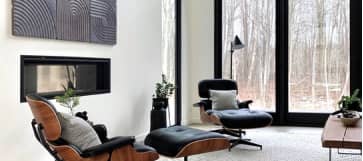
Natural light not only enhances the appearance of your home but also reduces electricity consumption. Large windows, skylights, and strategically placed ventilators can make interiors feel more spacious and inviting.
Benefits:
- Lower energy bills
- Better indoor air quality
- Improved mood and productivity
3. Choose Durable Building Materials
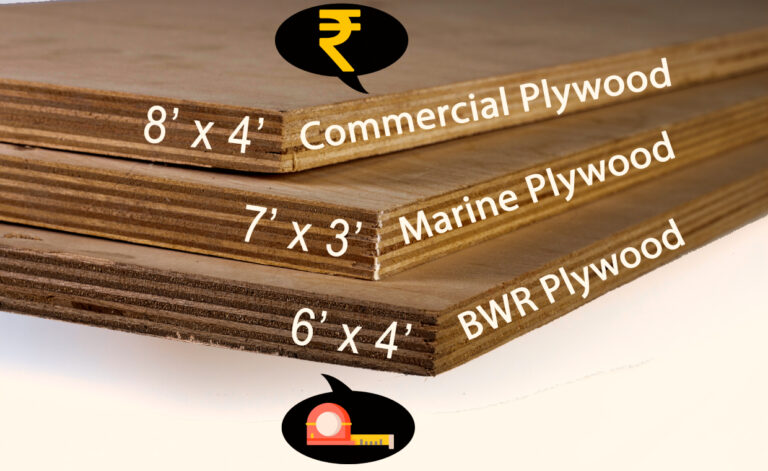
Quality materials ensure the longevity of your home. While premium materials may have a higher upfront cost, they often require less maintenance over time.
Popular options include:
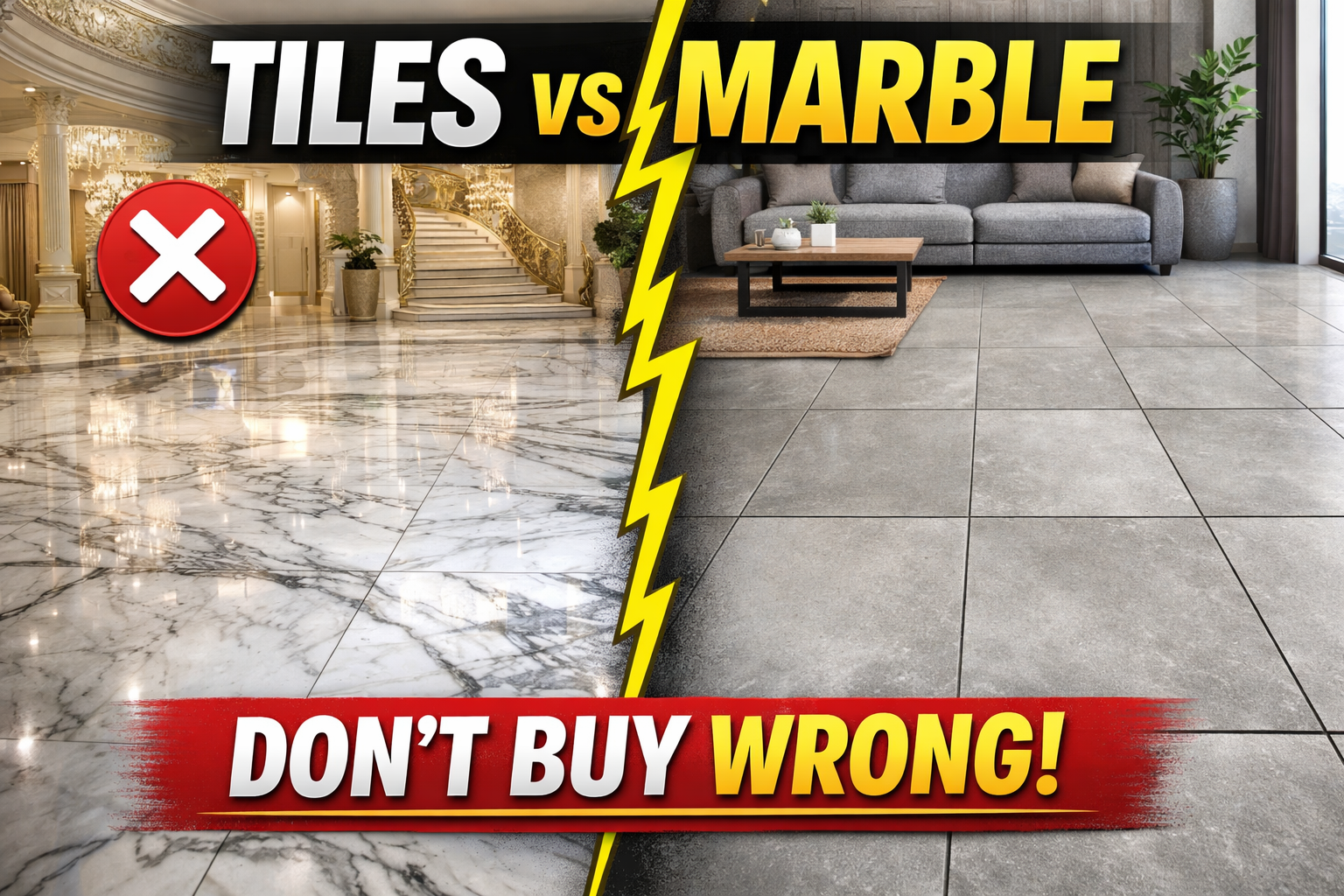
- Vitrified tiles for flooring
- UPVC or aluminum windows
- Moisture-resistant paints
- Engineered wood for furniture
4. Optimize Storage Space
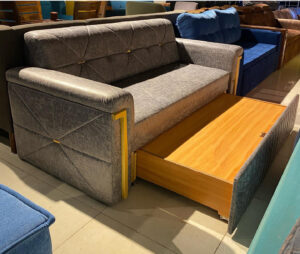
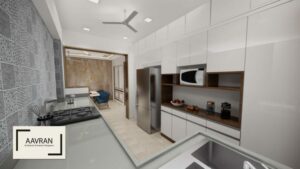
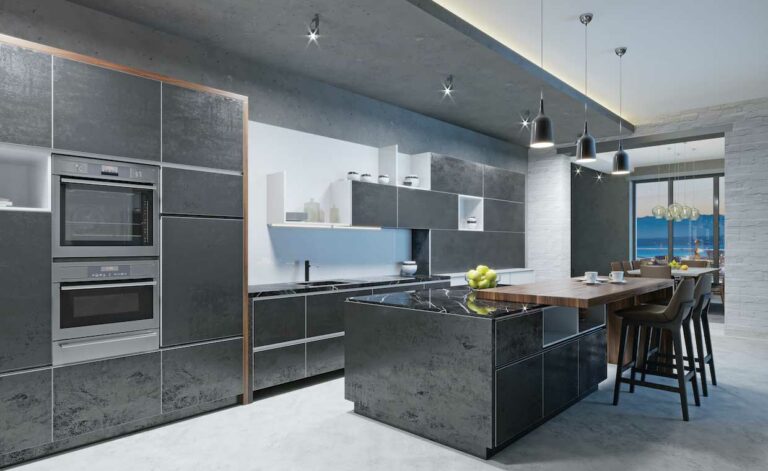
Modern homes often face storage challenges. Consider built-in wardrobes, under-stair storage, modular kitchen cabinets, and multi-purpose furniture to maximize available space.
Storage Ideas:
- Wall-mounted shelves
- Hidden compartments
- Foldable furniture
- Loft storage units
5. Make Your Home Energy Efficient
Sustainable living is becoming increasingly important. Small changes can significantly reduce your carbon footprint.
Simple Tips:
- Install LED lighting.
- Use energy-efficient appliances.
- Harvest rainwater where possible.
- Consider solar panels for long-term savings.
6. Prioritize Safety
Safety should always be part of the design process. Ensure that your home includes:
- Smoke detectors
- Fire extinguishers
- Anti-skid flooring in bathrooms
- Proper electrical grounding
- Child-safe locks (if applicable)
7. Add Green Elements
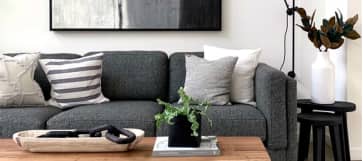
Indoor plants not only beautify your interiors but also help improve air quality. Plants like Snake Plant, Money Plant, and Peace Lily are easy to maintain and suitable for most homes.
Conclusion
Creating a comfortable home is a balance between aesthetics, functionality, and sustainability. By planning carefully and making smart choices, you can design a living space that serves your family’s needs for years to come.