





Table of Contents
Quick Overview
- Roof replacement becomes necessary when repairs no longer solve recurring roofing problems.
- Common warning signs include missing shingles, sagging roof decks, granule loss, and multiple leaks.
- Older roofs usually require replacement after reaching their expected lifespan.
- Delaying replacement may increase repair costs and lead to structural damage.
- Material choice, labor, permits, and decking repairs affect the overall project cost.
- Proper ventilation and routine inspections help extend roof lifespan.
- Hiring licensed and experienced roofing contractors ensures better workmanship and warranty protection.
- Timely roof replacement improves safety, energy efficiency, and long-term property value for homeowners.
Most homeowners put off the roof replacement conversation for as long as possible. That instinct is understandable – replacement is expensive, disruptive, and easy to defer when a patch job stops the immediate leak. The problem is that repeated patching on a failing roof costs more over three to five years than a single replacement would have.
There’s a point where repair stops being maintenance and starts being damage control. Knowing where that line sits, and what it actually costs to cross it, makes the decision a lot less stressful than most homeowners expect.
Signs Your Roof is Past Repair
Age alone tells you a lot. The National Roofing Contractors Association puts the typical lifespan of asphalt shingles at 20 to 25 years. Once a roof crosses that threshold, every repair is a patch on a system that’s already running out of time. You’re not fixing the roof – you’re extending its decline.
Beyond age, watch for these specific failure patterns:
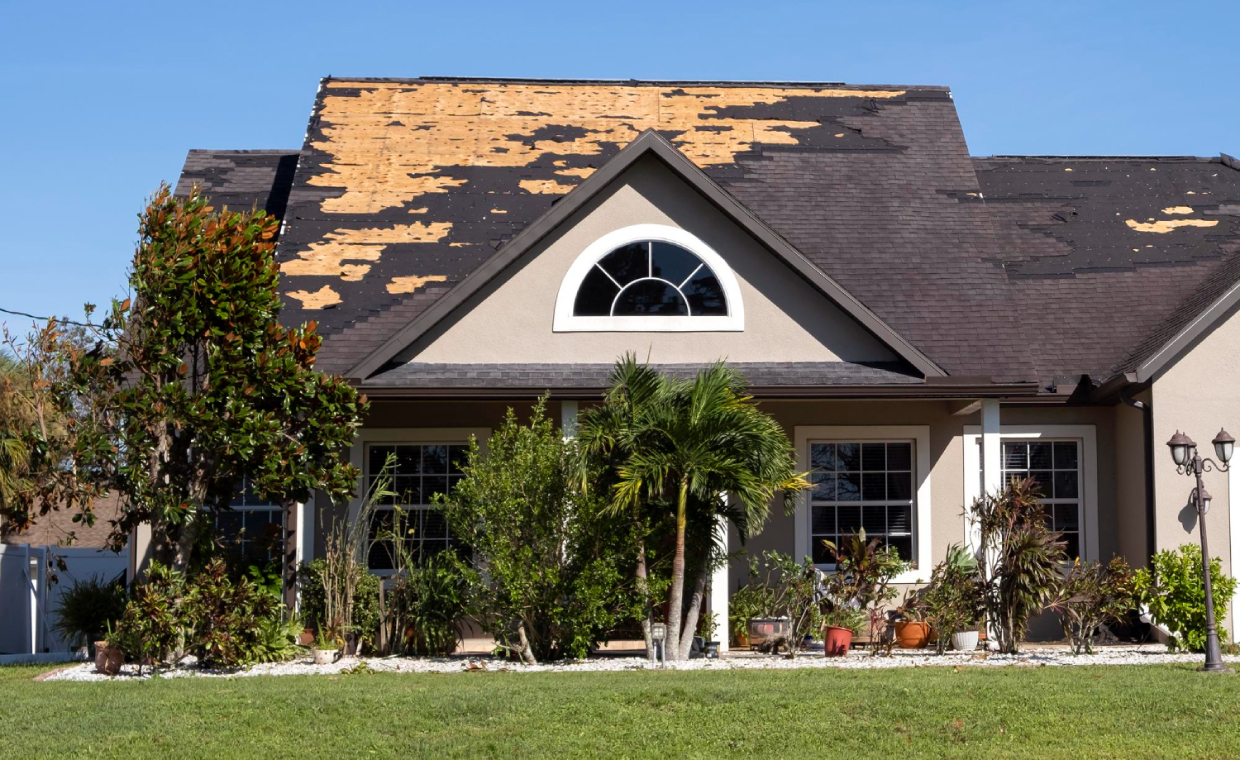
Widespread shingle damage is a key dividing line. A handful of missing shingles after a storm is a normal repair. When curling, cracking, or missing shingles cover more than 30% of the roof surface, you’re looking at systemic deterioration, not isolated damage. Patching 30% of a roof is rarely cost-effective.
Granule loss is easy to spot and easy to underestimate. When gutters fill with gritty dark particles, it means the protective UV coating on the shingles is breaking down. That process doesn’t stay local – once shingles lose their granules in one area, degradation typically accelerates across the whole surface.
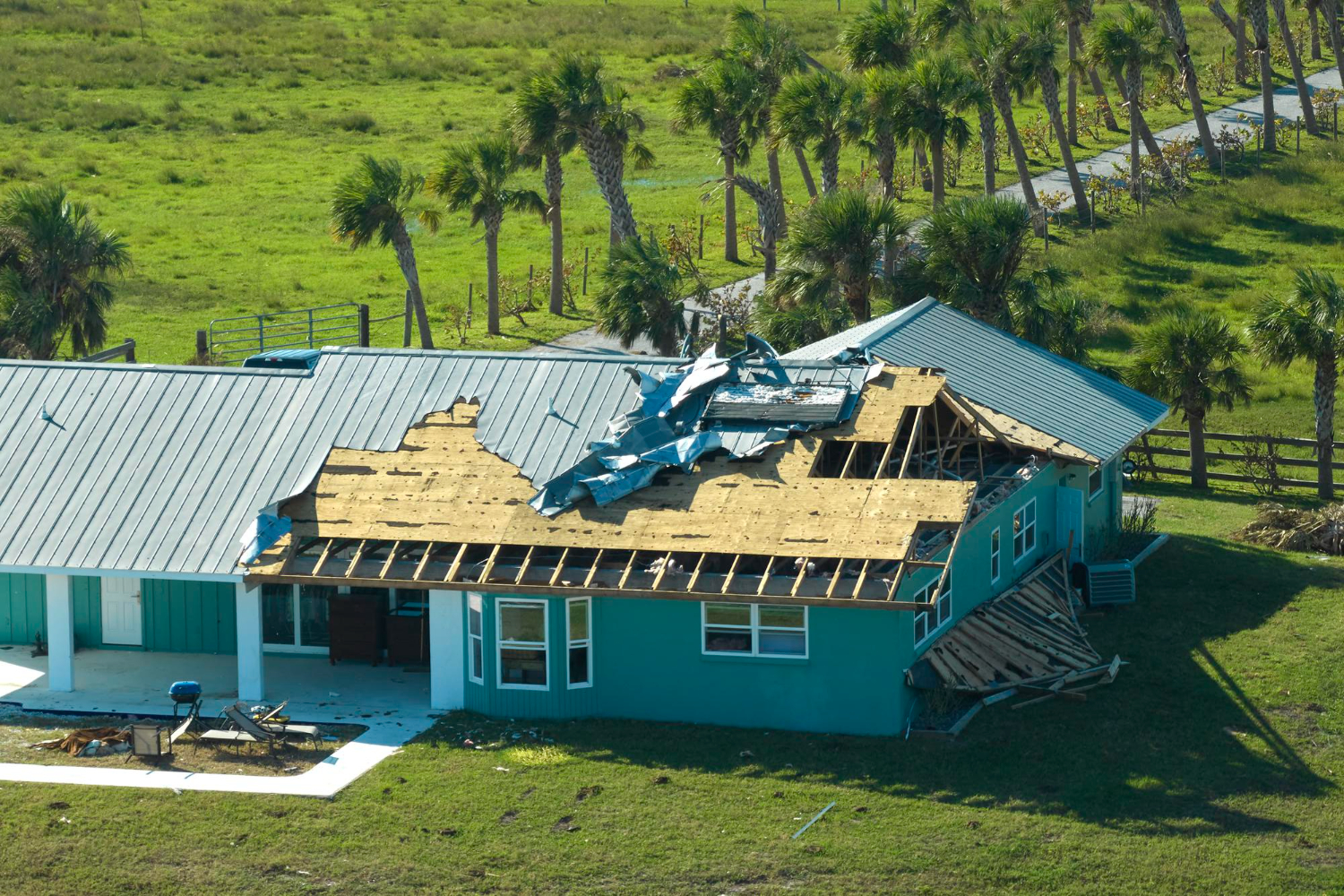
Sagging anywhere on the roof deck is a structural red flag. It means the decking itself has likely rotted or failed, which pushes the project into mandatory full replacement territory regardless of how the shingles look from the street.
Multiple leaks in different locations are another clear signal. One leak is a repair. Two or three leaks in separate parts of the roof mean the system has multiple independent failure points – addressing them one at a time becomes both expensive and unreliable.
Finally, unexplained rises in heating or cooling costs sometimes trace back to the roof. Failed insulation or ventilation tied to shingle deterioration lets conditioned air escape year-round. NRCA data shows that proper attic ventilation can extend roof life by up to 25%, which means when ventilation fails – often tied to late-stage shingle breakdown – the structural timeline shortens fast.
For Northern Virginia homeowners dealing with several of these issues at once, the combination of age plus two or more warning signs is usually the tipping point. Homeowners exploring a full roof replacement McLean VA, often find that a single honest inspection settles the repair-vs-replace question faster than years of incremental fixes ever could.
What a Full Roof Replacement Actually Costs

Cost is where many homeowners get surprised – not always because the final number is extremely high, but because several factors influence the total expense. Roof replacement costs vary widely depending on roof size, design complexity, material selection, labor charges, and regional market conditions.
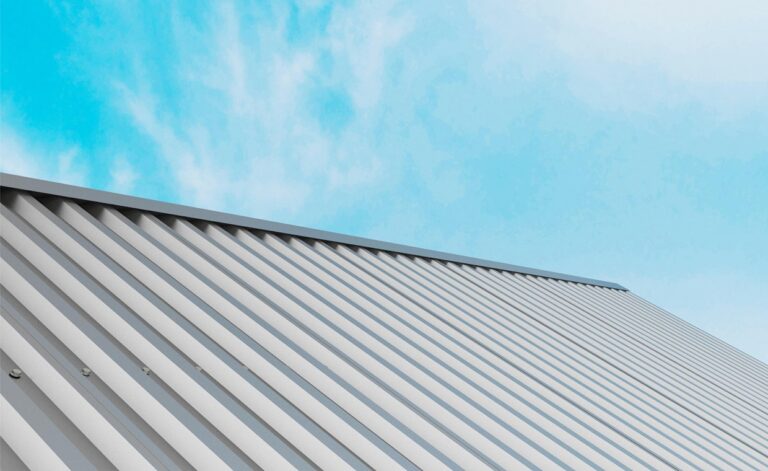
Material choice plays a major role in the overall budget. Asphalt shingles remain one of the most commonly used roofing materials worldwide due to their affordability, while metal roofing is becoming increasingly popular for its durability and energy efficiency. Premium options such as slate, clay tiles, and concrete tiles usually cost more because of their longer lifespan and specialized installation requirements.
Labor is another major contributor to roofing costs and often accounts for a significant portion of the total project budget. Costs may increase further for roofs with steep slopes, difficult access, or complex architectural designs.
Homeowners should also prepare for additional expenses beyond the roofing material itself. Removing and disposing of the old roof, permits, structural repairs, waterproofing work, insulation upgrades, and replacing damaged roof decking can all add to the final cost.
Although roof replacement requires a considerable investment, it can improve property value, energy efficiency, weather protection, and long-term structural safety. Replacing a failing roof at the right time often helps homeowners avoid more expensive repairs caused by water damage and structural deterioration later on.
What the Replacement Process Looks Like
The actual work moves faster than most homeowners expect, but the steps before and after the installation day matter just as much.
Pre-work starts with a full inspection to document scope, followed by permit application. Budget one to three weeks for permit processing – it varies significantly by municipality, and starting late is the most common cause of project delays.
Tear-off day is when the real picture emerges. Old shingles, underlayment, and flashing come off, exposing the decking. This is the step where hidden rot shows up. If the inspector quoted your job without opening the roof, expect the possibility of additional decking replacement costs at this stage.
Installation follows a set sequence: new underlayment first, then the chosen shingles or material, then flashing around chimneys and valleys, then the ridge cap. A standard single-family home typically takes one to three days for the actual installation once materials arrive on site. Weather is the main wildcard – most contractors won’t install during rain, and a mid-project storm can add days to the schedule.
Timing your project matters for the budget too. Scheduling in the off-peak window – roughly November through February in most U.S. markets – can cut labor costs by 5 to 15%. Demand drops sharply after the fall storm-damage rush, and contractors have more flexibility on scheduling. The trade-off is colder weather and shorter working days.
The National Roofing Contractors Association (NRCA) publishes installation standards covering ventilation requirements, underlayment specs, and flashing best practices – worth reviewing if you want to be able to hold a contractor accountable to industry norms during the job.
How to Choose The Right Contractor

The contractor decision matters more than most homeowners realize. A bad installation can void manufacturer warranties and shorten a new roof’s lifespan significantly, regardless of what materials went on.
Start with license and insurance verification – before reviewing any bids. Your state’s contractor licensing board makes this easy to check online. A contractor who can’t show proof of both isn’t worth considering, regardless of price.
Get at least three written quotes. The lowest bid isn’t automatically the wrong choice, but it does require more scrutiny – confirm what’s included, what’s not, and whether the crew doing the work is the company you hired or a subcontractor.
Manufacturer certification is an underused screening tool. Programs like GAF Master Elite and Owens Corning Preferred Contractor require contractors to meet ongoing training standards. Beyond the quality signal, certified contractors can offer extended warranties that uncertified ones can’t – sometimes 50-year coverage on materials plus 25 years on workmanship.
Watch for these red flags: same-day pressure to sign, cash-only payment demands, no written contract, and out-of-state crews working an area after a major storm. Post-storm contractor fraud is documented and persistent in high-damage markets.
Get both warranties in writing before any work starts – the manufacturer’s materials warranty and the contractor’s workmanship warranty are separate documents, and both matter. Ten or more years on workmanship is a reasonable baseline to ask for.
Owens Corning’s guide on when to replace your roof covers the warning signs framework in detail and is a useful reference to share with anyone else in your household involved in the decision.
One thing worth doing in parallel with your contractor search: build a broader home maintenance schedule that includes annual roof inspections. Most replacement-level problems start as minor issues that could have been caught at year two or three. The home maintenance checklist at GharPedia is a practical starting point for setting that up.
The Real Cost of Waiting
Delayed replacement is usually more expensive than timely replacement, but it doesn’t feel that way until the bill arrives. A roof that needed replacing at year 22 and instead got patched three times by year 26 has likely cost the homeowner more in repairs than the replacement would have – plus the risk of water damage to insulation, drywall, and structure in the meantime.
The decision framework in the signs section above isn’t meant to push anyone toward an unnecessary expense. It’s meant to give you a clear-eyed read on when the math changes. When age stacks up alongside granule loss, multiple leaks, and rising energy costs, replacement stops being an upgrade and becomes the economically rational choice.
Acting before a catastrophic failure, such as a major storm finding a roof that was already failing, gives you time to plan, compare contractors, schedule in the off-peak window, and budget properly. Waiting for the ceiling to start dripping eliminates all of those options at once.
Also Read: Roof Replacement Time: How Long Does It Take?
Guide to Full Roof Replacement FAQs
1. What are the signs that I need a roof replacement?
Common signs include missing or curling shingles, roof leaks, sagging areas, granule loss, water stains, and roofs older than 20 – 25 years.
2. Is roof replacement better than repeated repairs?
If the roof has widespread damage or recurring leaks, replacement is usually more cost-effective than frequent repairs.
3. How long does a roof replacement take?
Most residential roof replacement projects take one to three days, depending on roof size, weather conditions, and material type.
4. What factors affect roof replacement cost?
Roof size, roofing material, labour charges, roof pitch, permits, and structural repairs all influence the total cost.
5. Can a new roof improve home value?
Yes, a new roof enhances curb appeal, improves energy efficiency, and can increase resale value.
6. How do I choose the right roofing contractor?
Choose licensed and insured contractors, compare multiple quotes, check reviews, and verify warranty coverage before hiring
Author & Expert Review
Written By:  Gaurav Mishra | Civil Engineer & Content Writer
| Credentials: B.E. (Mahavir Swami College, Surat), Registered with Bhagwan Mahavir University (BMU). Experience: Civil Engineer with 5+ years of content writing experience, currently writing impactful articles for Gharpedia, part of SDCPL. Expertise: Specializes in writing well-researched content on residential construction, construction materials, design planning, on-site practices, and safety, blending technical accuracy with everyday clarity. Find him on: LinkedIn |
Verified By Expert:  Ravin Desai – Co Founder – Gharpedia | Co Founder – 1 MNT | Director – SDCPL
This article has been reviewed for technical accuracy by Ravin Desai, Co-Founder of Gharpedia and Director at Sthapati Designers & Consultants Pvt. Ltd. With a B.Tech. in Civil Engineering from VNIT Nagpur and an M.S. in Civil Engineering from Clemson University, USA, and over a decade of international and Indian experience in the construction and design consultancy sector, he ensures all technical content aligns with industry standards and best practices.
Find him on: LinkedIn