





Table of Contents
Quick Summary
- This guide explores how airflow beneath your roof impacts overall home health
- Explains what roof ventilation is and how it regulates attic temperature
- Highlights how trapped heat and moisture gradually damage roofing materials
- Lists common warning signs like mould, ice dams, and rising energy bills
- Breaks down different vent types including ridge, soffit, and gable vents
- Emphasises the importance of balanced intake and exhaust airflow
- Provides practical steps to fix ventilation issues before costs escalate
- Reinforces how early action helps avoid expensive roof replacements
Most homeowners don’t give roof ventilation a second thought. Someone calls a roofer to repair a leaky roof. The obvious damage is repaired and life goes on. The problem is…
Leaks almost never represent the problem itself. They’re a symptom of it. And nine times out of ten, the issue has been festering silently for months…sometimes years…before it ever rears its head. That’s why it matters to work with a Professional Roofing Contractor in Olympia who sees past the visible roof damage. Repairing a roof leak without correcting the root cause of poor ventilation is like putting a bandaid on a boat leak while the water is still spraying.
- What Is Roof Ventilation?
- Why Poor Ventilation Wrecks Your Roof
- Warning Signs That Your Roof Isn’t Breathing
- Types of Roof Vents Explained
- How To Fix It Before It Gets Expensive
- Frequently Asked Questions
What Is Roof Ventilation?

Roof ventilation refers to the movement of air through and out of the space below the roof.
Hot air can flow both ways through ridge vents. Cool, fresh air enters intake vents located usually at the soffits under the eaves. As the warm, moist air exits through vents near the ridge at the top of the roof, it is replaced by cooler air that enters near the bottom. The constant airflow helps maintain attic temperatures while preventing moisture buildup.
Simple concept, right?
However when that system becomes obstructed, damaged or was never installed correctly- the repercussions it has internally are far from elementary.
Why Poor Ventilation Wrecks Your Roof
Here’s where most homeowners get blindsided.
Poor ventilation doesn’t reveal itself overnight. Instead, it creeps up over time until the damage becomes undeniable. Industry data shows that lack of roof ventilation can reduce a roof system’s lifespan by upwards of 10 years. We’re talking about 10 years taken off of a roof that’s supposed to last 25-50 years.
The damage happens two ways:
Summer: Trapped hot air bakes your attic from the inside out. Temperatures can reach 140°F. That’s hot enough to blister shingles and cook away your roof deck from below. Your attic’s trapped heat also forces your air conditioning to run harder, increasing energy bills.
Winter: Moist, warm air from inside the home rises into the attic. In the absence of ventilation to carry it away, moisture forms on the cool roof deck. The result: rot, mold and damaged insulation – and eventually, leaks.
Once it begins, it won’t end itself. Leaking roofs is the #1 reason homeowners replace their roof nationally. 33% of roofs cite leaking as the reason for replacement. With costs averaging $9,526, you really can’t afford to ignore it.
Warning Signs That Your Roof Isn’t Breathing
Don’t know whether you have ventilation issues? Watch out for these signs:
- Ice dams forming along the roof edge or gutters in winter
- Mould or moisture stains appearing in the attic or on ceiling boards
- Shingles that are curling, cracking or blistering ahead of schedule
- Unexplained energy bill spikes, especially in summer
- A stuffy, overheated top floor that never quite cools down
If you have one, that’s worth exploring. But two or more suggests ventilation is likely the culprit. Close to 4 out of 10 US homes are in moderate-to-poor roof condition these days — and poor ventilation is at play in many.
Types of Roof Vents Explained
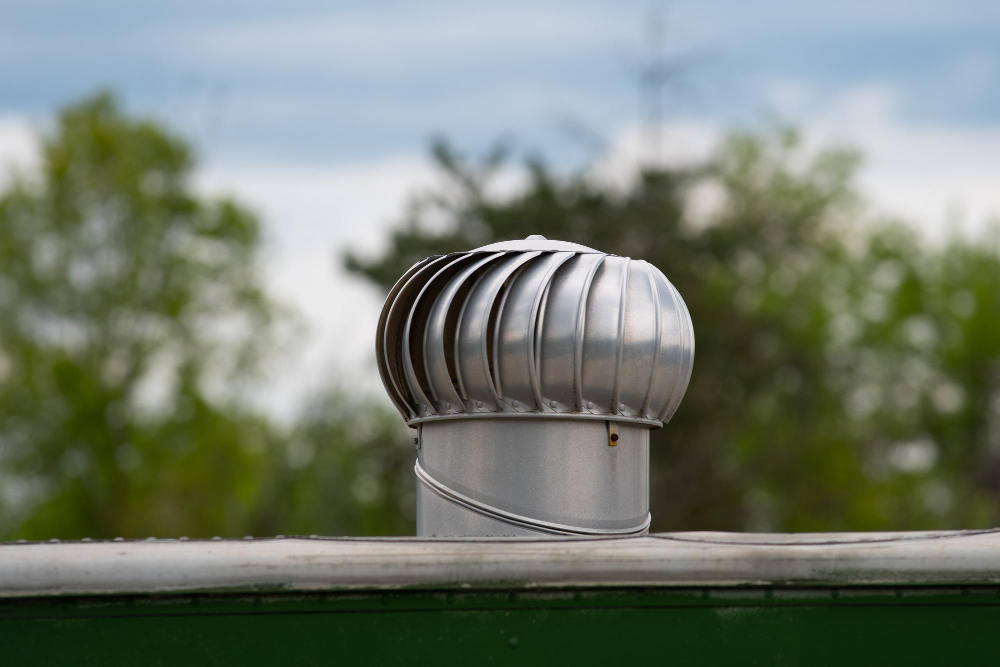
There is no single correct answer when it comes to ventilating roofs. The correct solution varies according to roof size, design and exposure to the elements.
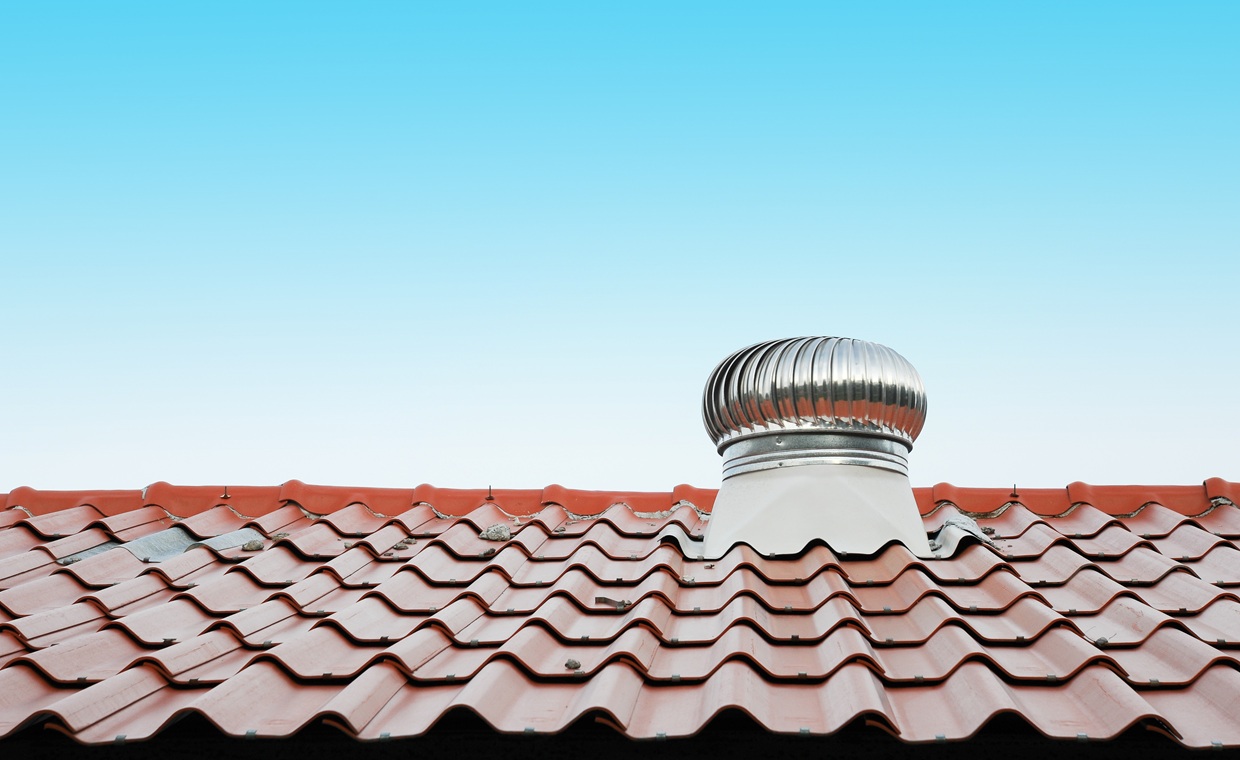
Ridge Vents span the entire length of your roof ridge. Ridge vents are the most effective exhaust solution and they are subtle.
Soffit Vents are located under the eaves and are considered the intake portion of the ventilation system. They draw in cooler outside air and establish the pressure needed to exhaust warm, moist air from the attic up and out through the ridge.
Gable Vents are placed on the end walls of the attic. They provide additional paths for air flow and work well with ridge vent systems — especially on older homes.
Balance is important in any system. Properly matched intake and exhaust are critical. Imbalance causes pressure issues that limit airflow or suck conditioned air out of your home.
How To Fix It Before It Gets Expensive
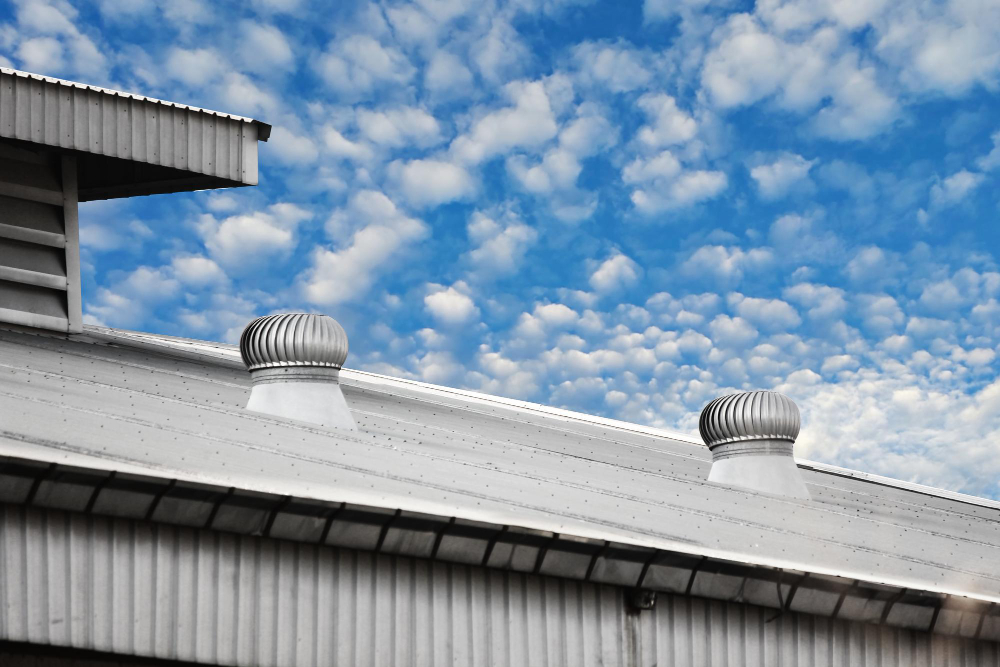
The silver lining? Ventilation problems are solvable. When you spot them early, the solution is typically minor—some tweaking.
The approach that works every time:
- Get inspected first. Knowing what is there, what is working, and specifically what needs to be upgraded is important.
- Repair existing problems. Rot or mould that is already present will have to be dealt with simultaneously with ventilation improvements — not as an afterthought.
- Fit the correct components. Whether that’s soffit vents, a continuous ridge vent or even a power unit — the solution should be tailored to the unique roof.
- Inspect it seasonally. Batt insulation stuffed over soffit vents is one of the most frequent – and easiest to overlook – causes of chronic ventilation problems.
Act immediately. There is often a great deal of time between when water first enters your home and when you actually see water coming through the ceiling.
That’s The Bottom Line
One of the most neglected areas of home care — and dearer to ignore — is roof ventilation.
To quickly recap:
- Poor ventilation silently shortens roof life by a decade or more
- Attic heat and winter moisture are the two biggest threats to roof structure
- Warning signs are easy to spot if homeowners know what to look for
- Early fixes are always cheaper than a full leaky roof fix or replacement
A properly ventilated roof will extend its life, save money on maintenance and provide homeowners with true peace of mind.
Also Read: 3 Ways Local Roofing Contractors are Evolving in Today’s Market
Frequently Asked Questions – Roof Ventilation
01. What is roof ventilation?
Roof ventilation refers to a system of intake and exhaust vents that allows air to continuously flow through the attic. It moderates heat and moisture to safeguard the roof structure and prolong its life.
02. Can poor ventilation cause a leaky roof?
Correct. Poor ventilation allows moisture build-up which causes rot and structural damage over time – one of the leading factors of underlying problems with a leaky roof repair.
03. How do I know if my attic is poorly ventilated?
Look for ice dams, attic mould, early shingle deterioration, increased heating costs or hot spots on the top floor. Any of these are reasons to call in a professional.
Author & Expert Review
Written By:  Gaurav Mishra | Civil Engineer & Content Writer

| Credentials: B.E. (Mahavir Swami College, Surat), Registered with Bhagwan Mahavir University (BMU). Experience: Civil Engineer with 5+ years of content writing experience, currently writing impactful articles for Gharpedia, part of SDCPL. Expertise: Specializes in writing well-researched content on residential construction, construction materials, design planning, on-site practices, and safety, blending technical accuracy with everyday clarity. Find him on: LinkedIn |
Verified By Expert: Ravin Desai – Co Founder – Gharpedia | Co Founder – 1 MNT | Director – SDCPL

This article has been reviewed for technical accuracy by Ravin Desai, Co-Founder of Gharpedia and Director at Sthapati Designers & Consultants Pvt. Ltd. With a B.Tech. in Civil Engineering from VNIT Nagpur and an M.S. in Civil Engineering from Clemson University, USA, and over a decade of international and Indian experience in the construction and design consultancy sector, he ensures all technical content aligns with industry standards and best practices.
Find him on: LinkedIn