






Table of Contents
Quick Summary
- Retro style interior design revives the charm of the 1950s, 1960s, and 1970s, blending nostalgia with modern sensibilities.
- It combines contemporary shapes with vintage materials, colours, and finishes for a lively, eclectic look.
- A vibrant colour palette featuring bold and pastel vintage hues is central to retro style.
- Rustic wooden elements add warmth and balance sharper mid-century forms.
- Soft edges and curved furniture enhance the romantic, playful character of retro interiors.
- Mixed metals, especially brass and gold, bring subtle glamour.
- Vintage graphics, posters, and pop art strengthen the nostalgic appeal.
- Bold patterns, geometric tiles, and terrazzo textures define walls and floors.
- Retro lighting and quirky furniture complete the look with personality.
Retro style in home décor is a bold celebration of colour, character and nostalgia. Rooted in the charm of mid-20th century design, this style brings together wonderful aesthetics and timeless elegance to your space. The word “retro” originates from the Latin term “retro”, meaning “backward” or “in past times”. In design, it refers to reviving styles from earlier decades and revisiting them for modern living.
Are you enamoured by the glamour and dazzle of the retro era and want a vintage and rustic touch to your home decor? The revival of bygone retro trends might be that opportunity to transform your interiors with warmth and personality! Retro interior design is an eclectic fusion of contemporary forms and vintage materials and finishes, or vice versa. While you can draw inspiration from any decade, the 1950s, 1960s, and 1970s remain the most influential.
According to Ola M. Mohammed, [Assistant professor in Interior Architecture Department, Faculty of Fine Arts at Alexandria University, Egypt], retro design incorporates a kaleidoscope of contrasting design features, colour palettes, patterns, and textures. This retro aesthetic style is especially popular among millennials because it breaks away from monotonous minimalism and brings vibrancy, individuality, and charm into living spaces.
What’s the Origin of Retro Style?

Retro style broadly refers to the mid-century period when interior design saw an explosion of experimentation in colours, textures, furnishings, and décor. The design aesthetics of the 1960s and 1970s strongly influence the original vintage look. The style temporarily lost its popularity during the 1980s and early 2000s as new, more modern design trends like minimalism took centre stage. However, retro’s unique character is believed to have originated in the post-war period of the late 1950s. To put to perspective, retro style traces its root to the vibrant mid-20th century, a time when designers began experimenting fearlessly with colours, textures and unconventional forms, the post-war optimism of the 19550s encouraged bold ideas, playful furniture, and artistic freedom that still inspires interiors today.
The Characteristics of Retro Style
- Retro Décor reflects home decor trends from the 1950s to the 1970s.
- Defined by bold colours, playful forms, and artistic expression.
- Influenced by pop culture, kitsch, or tacky elements.
- Colour palettes remain bright and bold, creating a dramatic atmosphere.
- Décor highlights vintage pieces like vinyl records, antique textiles, lamps, vases, etc.
- Furniture features unusual shapes, abstract forms, and dynamic designs.
12 Design Tips to Imbibe Retro Style in your Interior Space
“Good design doesn’t date,” said renowned Australian architect Harry Seidler. This statement perfectly explains why retro or vintage styles and nostalgic artifacts remain timeless. They create interiors that feel opulent, but are yet simple, vibrant and comforting.
So, are you wondering ways to ace the retro-style in your home? Here are 12 exciting design tips to help you imbibe retro style into your interiors:
01. Vibrant Colour Palette & Dramatic Ambiance

The retro era was defined by eye-catching colours. The first approach to introducing retro-style interior design into your present home is to embrace bold and vibrant colours throughout your space. The more open and airier the area, the more inviting it appears. For smaller spaces, try pairing lighter vintage wall colours with bright furnishings or wall décor. You may choose to maintain a consistent colour scheme across rooms or highlight a particular area as a focal point; the choice is entirely yours.
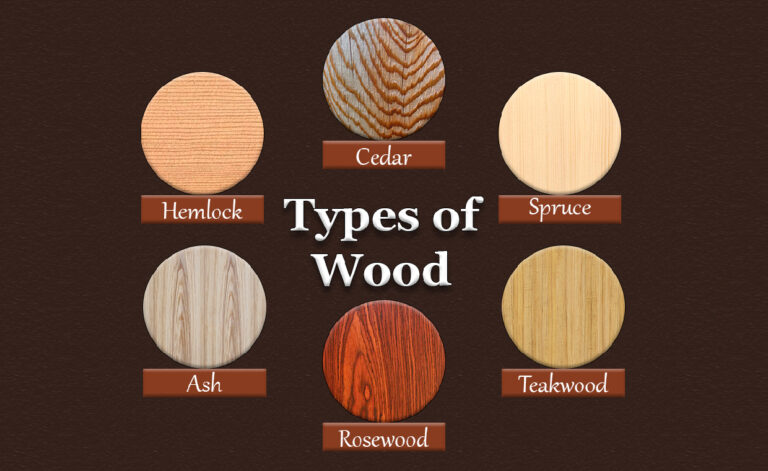
02. Rustic Touch with Wood: How does it Look?

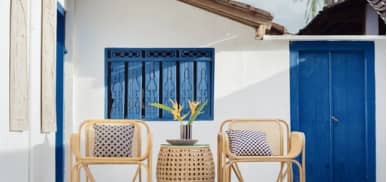
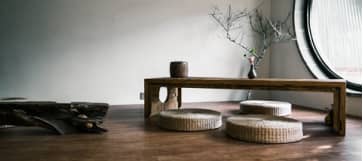
Rustic interior elements such as local materials and wooden beams highlight the sharp angles of mid-20th-century furniture and decoration.
Neutral backdrops created by natural building materials are given warmth by the use of vibrant colours. Twentieth-century furniture, crafted from polished wood and enhanced with metal detailing, blends seamlessly to create a subtle yet authentic vintage appearance.
03. Soft Edges in Retro Interiors

Courtesy - designbx
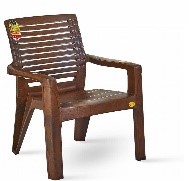
The retro style creates a generally romantic ambience, with flowing lines and soft hues that reflect tradition and elegance. Mid-century modern furniture is a trademark of retro design, particularly pieces with curved or soft, rounded edges in vivid colours or chrome finishes.
Materials commonly used today, such as plastic, acrylic, steel, rubber, polycarbonate, and styrofoam, are robust and durable. Thanks to modern technology, they can be easily moulded into any form. This helps designers recreate classic retro forms. Designers are also softening the edges of structural and functional elements such as beams, columns, and skirting by adding a layer of plaster. Curved edges were the norm for appliances throughout the 1950s and 1960s, and continue to be celebrated today as timeless vintage details.
950s and 1960s.
04. What’s the Effect of Warm Brasses and Mixed Metal Accessories?

Courtesy - gstatic
Vintage aesthetics may be easily incorporated into any space by using metal-finish furniture. Metal chairs have made a strong comeback and are a dominant design trend, prominently featuring in chic cafés and contemporary interiors alike. To enhance the retro appeal, choose brass and gold accents, soft furnishings, and decorative artefacts. These metallic touches add warmth, elegance, and visual contrast to any space.
05. Vintage Graphics and Wall Art

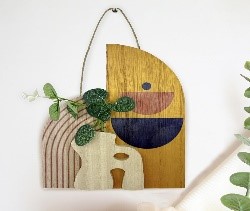
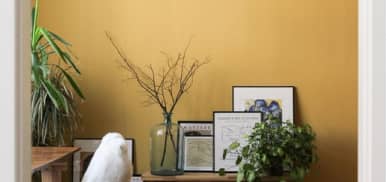
Retro design evokes both visual impact and nostalgia. Choosing a specific era often helps define the them. Graphic posters from the 1950s, when pop and atomic themes flourished, can be effectively incorporated into retro design.
Applying vintage posters, neon graphics, and artwork to embrace retro-style interior decor is a great idea. It brings character and energy into the space.
You can also create your own unique retro-inspired pieces at home – start a relaxing art project and create art with paint by numbers, drawing on classic colour schemes and iconic imagery from the ’50s and ’60s to personalize your space with a handmade touch.
06. Bold Patterns on Walls and Floors – How does it matter?

Courtesy - etsystatic
In the 1950s, rhythmic patterns were used across various elements of design. Patterns appeared on fabrics, backsplashes, or paper. For instance, if a seat was upholstered in paisley or geometric patterns, carpets, Ottomans, drapes, and lamps often reflected similar colours or motifs. This repetition created harmony while maintaining a bold visual presence.
07. Retro Lighting Elements

Retro lighting focuses more on aesthetics than function. Nostalgia is evident in lighting designs that have been reimagined for today’s modern homes. Time-tested designs are being given a new twist with finishes, colours, and creative interpretations.
Advances in LED technology now allow homeowners to enjoy the vintage charm with modern sustainability. So look for ‘retro bulb,’ also known as carbon filament or incandescent-style bulbs, which are now available in contemporary LED bulbs. Recreate the visible filament or traditional bulbs in an energy-efficient way.
We have added various types of lighting for your home interiors: 8 Types of Lighting for Your Home Interiors!
08. Nostalgic Retro Artefacts/Décor

Retro décor in interiors evokes feelings of nostalgia. It takes individuals back to a more carefree time in their lives. Retro design is not minimalist; therefore, decorations may be placed anywhere in the house without much constraint. Any décor that represents memories suits the retro theme.
Artwork inspired by the hippie culture of the 1960s brings a sense of freedom to the room. Pop art Beatles and PinkFloyd posters, for example, easily resurrect yesteryear vibes while maintaining a sophisticated and polished aesthetic.
09. Quirky and Vintage Furniture

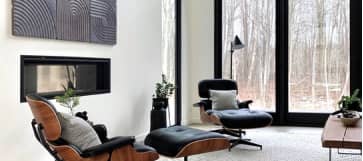
Retro-style furniture is often known for its boldness and extravagance via distinctive geometries and vibrant colours. These pieces are often paired with metallic finishes and lighting elements reminiscent of classic designs.
In retro interiors, aesthetics often takes precedence over function. Some designers even make unique furnishings since the shape gives the furniture a fascinating appeal. Artists also use a well-balanced combination of ornate furnishings. Retro furniture offers a visual focal point without conflicting with other elements in the same theme.
10. Geometric Cladding using Tiles

Courtesy - adsttc
Vintage-inspired ceramic and hydraulic tiles are making a comeback in interior design, particularly in bathrooms and kitchens. Ceramic tiles are popular for their flexibility, durability, water resistance, and ease of maintenance. The complex patterning of cement-based hydraulic tiles gives them resistance and design versatility. Both tiles rose to fame in the 1950s and 1970s due to their inherent geometric character.
Today, retro tiles are manufactured using advanced production techniques such as digital printing, offering higher quality and more refined designs than ever before.
11. Retro Material Palette

Courtesy - pinimg
The retro style was marked by expressive patterns, influenced by the pop art movement. The quirky mix of trend colours with durable fabrics such as leather, velvet, suede, and cashmere, as well as elegant fabrics such as silk and linen, creates a distinct vintage vibe. Geometric designs and bright hues like pink, turquoise, yellow, and mint green are making a comeback. Modern designers are experimenting with polka-dotted mosaic floors that echo the popular checkered flooring styles of the 1960s.
12. Retro Intricate Textures

Courtesy - home-designing
Terrazzo is unrivalled when it comes to detailed designs with a distinct personality. You’ll need to blend and mix various textures to create a retro mood. For instance, braided carpets, glossy plastics, plush vinyl, and luxurious velvet, for example, may all work together to offer you cosiness and splendour. The material, typically made of polished granite or marble chips and a concrete core, was quite popular in buildings from the 1950s and 1960s. Today, epoxy resin is used to manufacture terrazzo surfaces.
Are you ready to Dazzle up your Space with a Retro Theme?
Trends may fade and return, but good design always stays. Just as fashion revives and reinvents iconic styles, interior design now embraces the retro transition again. By blending nostalgic elements with modern comfort, you can create a home that feels expressive, joyful, and timeless.
FAQs on Retro Style Décor Ideas
1. What is Retro Interior Design? What is the Origin of the Term “Retro”?
Retro interior design is a style inspired by mid-20th-century aesthetics, mixing vintage elements with modern design. The term “retro” comes from the Latin word ‘retro,’ which means ‘backwards.’
2. Which Colours are Commonly Used in Retro Interiors?
Bright hues, such as turquoise, yellow, pink, and mint green, along with warm neutrals, are commonly used.
3. What Furniture Suits a Retro-Style Home?
Mid-century modern furniture with curved edges, bold colours, and metallic accents works best.
4. Is Retro Interior Design Suitable for Small Spaces?
Yes, lighter vintage colours and selective retro accents can make small spaces vibrant yet balanced.
5. What Distinguishes a Retro Design?
Retro designs sometimes have a nostalgic or quirky quality, giving the impression that they have been around for some time.
6. What is the Modern Retro Style?
The term “modern retro style” refers to a style that is quite a flashback, but not too far back. This method bases projects on indications of design trends from the 1960s, 1970s, and 1980s.
References
Ola M. Mohammed Ahmed (2022) in An Attractive Vision of Nostalgia Design: The Shifting from Vintage to Retro Style in Home Space [online] Available from https://www.researchgate.net/publication/381635659_An_Attractive_Vision_of_Nostalgia_Design_The_Shifting_from_Vintage_to_Retro_Style_in_Home_Spaces
Author & Expert Review
Written By: Saili Sawantt | Guest Author
| She is an Architect and Interior Designer by profession. Writing is what she treats as her passion. She has worked as an Architectural Writer, Editor, and Journalist for various design as well as digital portals, both national and international. Formerly she has also worked with Godrej Properties Limited (GPL) Design Studio, Mumbai, due to her keen interested in learning about Sustainability and Green buildings. Apart from this, she runs her blog ‘The Reader’s Express’ and is a practicing Architect & Interior Designer. |
Verified By Expert:  Mansi Shah – Architect & Architectural Content Writer, SDCPL | B.Arch.
 Mansi Shah – Architect & Architectural Content Writer,
 This article has been reviewed for architectural and interior design accuracy by Mansi Shah, an Architect associated with Sthapati Designers & Consultants Pvt. Ltd. (SDCPL). With over 25 years of professional experience in architectural planning, design development, detailing, and on-site execution of residential, commercial, and institutional projects, she brings deep expertise in architecture and interior planning, material selection, construction practices, and building bylaws. Her review ensures the content reflects practical design principles, interior space efficiency, and industry-aligned architectural standards.
Find him on: LinkedIn