






Table of Contents
Quick Summary
- Reactive Powder Concrete (RPC) is an ultra-high-performance concrete known for exceptional strength and durability.
- It uses fine materials like quartz sand, silica fume, and quartz powder, eliminating coarse aggregates.
- RPC offers very high compressive strength, ranging from about 200 MPa to even 800 MPa in advanced grades.
- The addition of steel fibres improves ductility and flexural strength.
- Low water and cement ratios and superplasticisers enhance workability and self-compaction.
- RPC shows low permeability, minimal shrinkage, and high frost resistance.
- It is suitable for long-span bridges, high-rise buildings, and blast-resistant structures.
- Despite higher costs, RPC reduces dead load and maintenance.
- It is an emerging technology redefining high-performance concrete.
Reactive Powder Concrete is one of the latest developments in concrete technology. Concrete is a widely used construction material due to its accessibility and durability. Today, advanced concrete technologies are expanding the scope of research and improving performance by modifying its traditional components.
In this blog, Gharpedia brings you detailed insights into Reactive Powder Concrete. Let’s have a detailed look:
What is Reactive Powder Concrete?
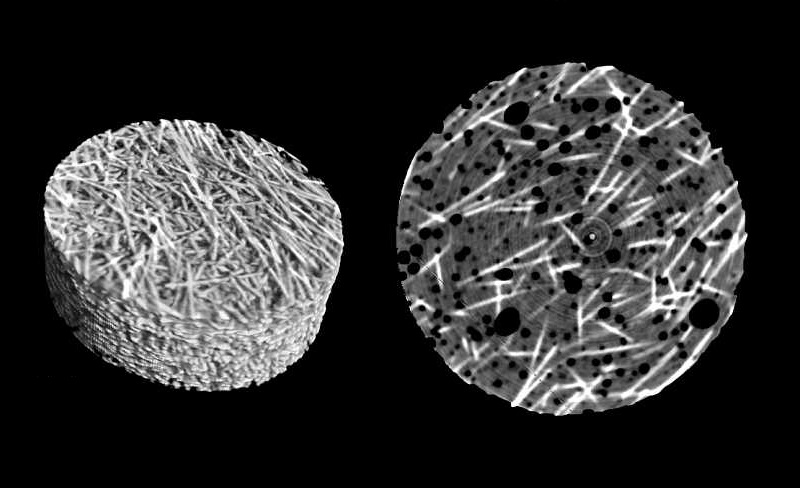
Courtesy - ndt.net
Reactive Powder Concrete, or RPC, is made with quartz sand as its major aggregate, along with silica fumes as one of the vital ingredients. Pierre Richard had experimented with reactive powdered concrete and found its compressive strength between 200 MPa to 800 MPa.
RPC is an ultra-high strength, high ductility Portland cement-based material, and it’s an emerging technology that lends a new dimension to “High-performance concrete”. It has immense potential in construction due to its superior mechanical and durability properties compared to conventional high-performance concrete.
Reactive powder concrete could even replace steel in some applications because of its strength. Various scientists have conducted multiple studies, and they found that reactive powder concrete displays excellent compressive and flexural strength. Therefore, it is generally divided into two grades, which are RPC200 and RPC800.
Who Invented Reactive Powder Concrete?
As per the ‘R. Selvaraj and R. Priyanka’ (published in International Journal of Engineering Research & Technology (IJERT)), M. Cheyrezy and P. Richard first developed reactive powder concrete. It was first produced in the early 1900s by the technical division of Bouygues, S. A. France.
Advantages of Reactive Powder Concrete
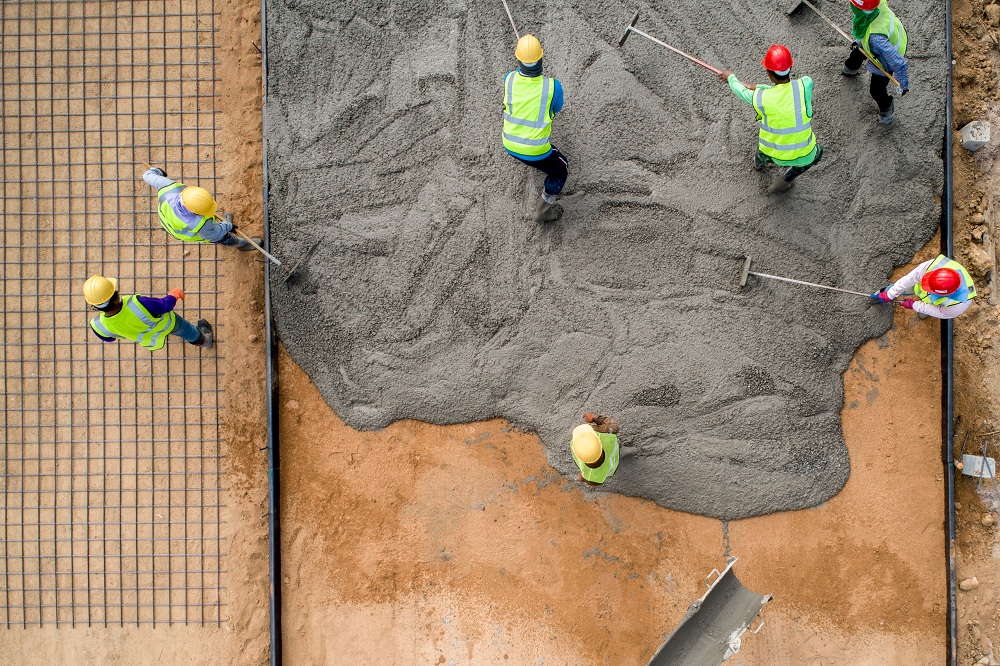
The followings are the advantages of RPC –
- Elimination of coarse aggregate for enhancement of homogeneity. It results in a more consistent final product because rubble and gravel are put together in their fine form.
- Utilization of Silica fume with fly ash to increase comprehensive strength because their pozzolanic properties enhance the mix’s mechanical properties.
- Optimum usage of superplasticizer to minimize the water-cement ratio and in turn, increase the workability of concrete.
- Post-set heat treatment of the mixture helps in the optimization of the microstructure.
- The addition of steel fibres improves the ductility of RPC.
- The structural stability of reactive powder concrete is so good that it has the potential to compete with steel.
- It has almost no shrinkage or creep.
- The combination of high strength and high shear capacity can result in significant dead load reduction.
- Optimization of the granular mixture in order to enhance the compacted density of RPC.
Applications of Reactive Powder Concrete

Courtesy - researchgate
Due to the high properties of reactive powder concrete, it is a great choice for things that need lower structural weight and great structural span. The numerous reactive powder concrete applications are there, such as:
- Light-weight and high-span bridges
- Multi-storey buildings
- Inside water structures
- In seismic region
- Seawall anchors
- Vehicular bridges
- In building power plants
- Railway bridge and light rail transit station
- Blast resistant structures
- Mass concreting
The wide range of reactive powder concrete applications is there, and it shows the expansion of the reactive powder concrete market.
Limitations of Reactive Powder Concrete
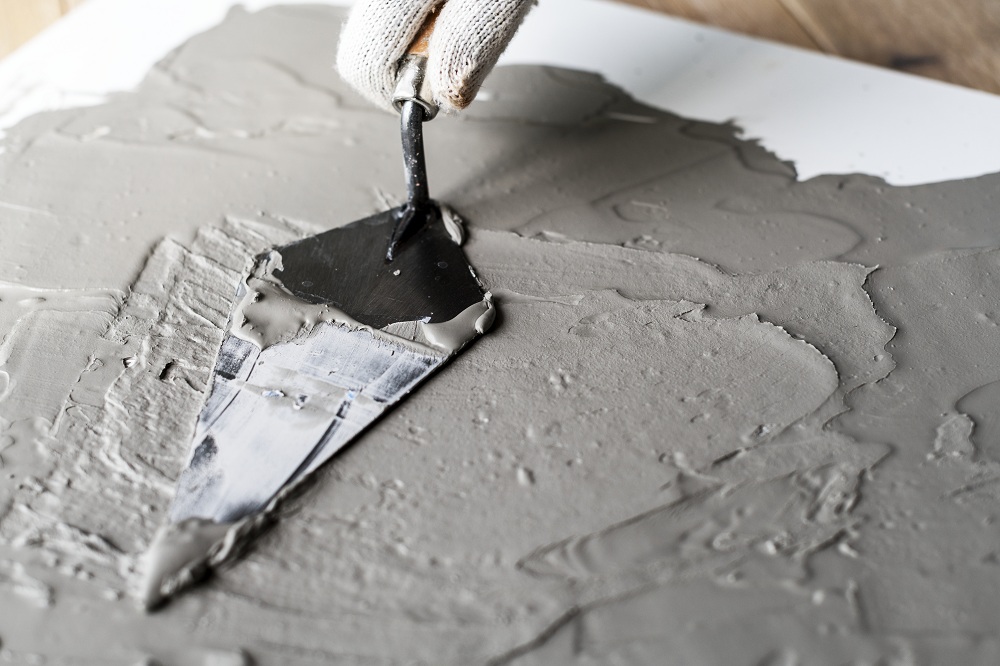
Like any construction material, RPC also has certain limitations despite its advantages. Let’s have a look at the limitations of reactive Powder Concrete:
1. High Material Cost
RPC requires materials such as silica fume, quartz powder, steel fibres, and high-range superplasticisers. These materials are expensive and thus increase the overall cost.
2. Requirement of Skilled Workmanship
The manufacturing process of RPC includes precise mix proportions and handling. Poor execution can compromise quality and durability.
3. Special Curing Requirements
RPC needs heat-curing or controlled-curing conditions, which increase energy consumption and project complexity.
4. Limited Availability in Developing Regions
Specialised materials and expertise are not easily available in many regions. It restricts the widespread adoption of RPC.
5. Difficult Mixing Process and Placement
The dense mix and presence of steel fibres require advanced mixers. Improper mixing leads to fibre clustering.
6. Higher Quality Control Demands
Strict supervision is essential during batching and curing. Small errors can affect performance.
7. Not Suitable for All Types of Projects
RPC may be over-engineered for regular residential or low-load structures, where the additional cost may not be justified.
8. Environmental Concerns
The high cement content increases the carbon footprint.
9. Requires Specialised Equipment
Heat-curing chambers and high-precision mixers add to infrastructure costs. Since RPC is still in its developing stage, its long-term performance characteristics are still under study.
Properties of Reactive Powder Concrete
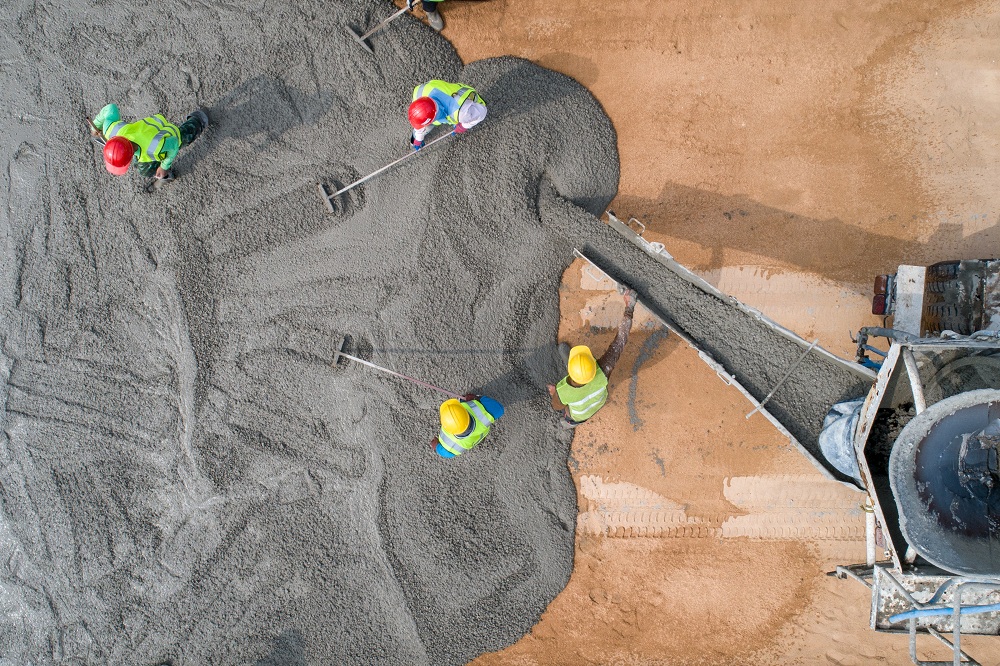
01. High Compressive Strength
RPC has a more compressive strength in comparison to high-performance concrete, its maximum compressive strength is approximately 200 MPa. Compressive strength is one of the major factors that affect the strength of concrete
You can check the compressive strength of concrete by conducting a cube test on concrete.
02. High Workability
In order to measure the workability of RPC, a slump test is conducted. This test is conducted by filling the mould with reactive powder concrete and measuring the spread diameter of RPC in two directions, orthogonally. It is done after lifting the mould upwards, vertically. Finally, the average value of the workability of concrete is expressed as the spread of concrete. Whereas the bleeding and segregation can be visually examined.
The workability of the RPC measured was found to be in the range of 120mm to 140mm; it means that it has high workability, which results in self-compaction.
Gharpedia has also written a detailed article on self-compaction concrete, you might know more about it then click on the below link-
03. High Flexural Strength
Plain reactive powder concrete has relatively high flexural strength in comparison to regular concrete. The addition of steel fibres increases the strength of reactive powder concrete. However, the diameter and length of the steel fibres have a considerable impact on the flexural strength of the mix.
You can check the flexural strength of the concrete by conducting a flexural strength test.
04. Low Water Absorption and Permeability
Water absorption of RPC decreases with age. Although, its water absorption percentage is less compared to that of high-performance concrete. This particular property is one of the most desired properties of the material used for nuclear waste containment. Similarly, the water permeability of the reactive powder concrete decreases with age.
05. High Frost Resistance
RPC exhibits an excellent level of frost resistance. The mass-loss rate under frost conditions is less than 1%, which indicates high durability in cold environments.
Components of RPC
Ordinary portland cement, quartz sand and silica fume are the major components to produce reactive powder concrete. The other components include steel fibres, aggregates, river sand, and plasticizers. Use of plasticizers can reduce the water-cement ratio by approximately 0.23, which eventually gives more workable concrete, and also improve its strength.
The followings are the specifications of components of RPC:
01. Cement
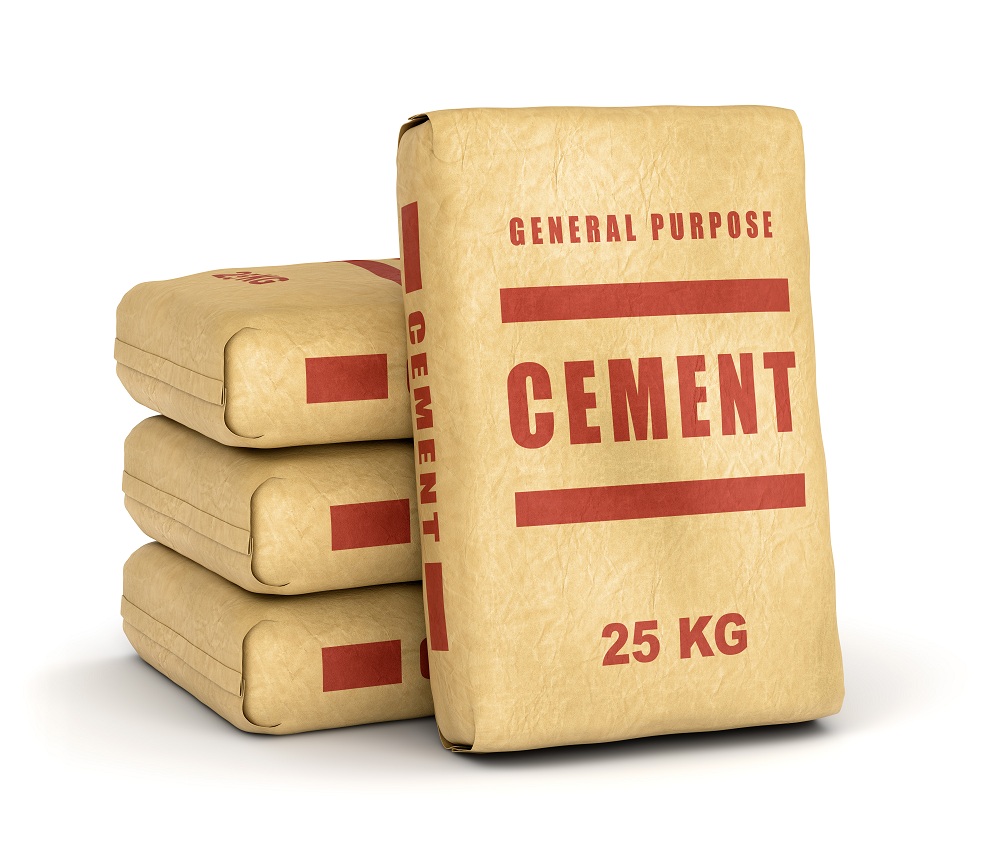
The cement used must be ordinary Portland cement (OPC) of 53 grade with particle sizes ranging from 1 µm to 100 µm. Ordinary Portland cement acts as a binding material.
02. Sand
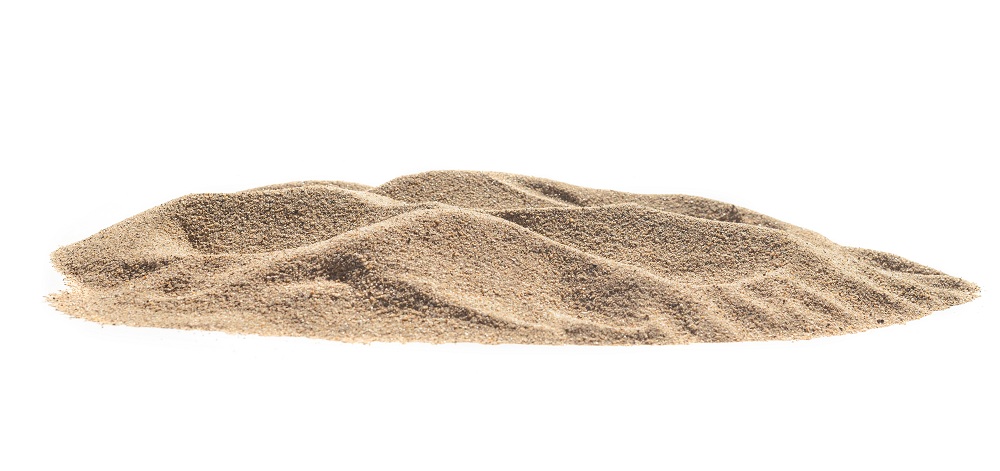
The particle size must be between 150 µm to 600 µm. Sand adds strength to the mix.
03. Silica Fume
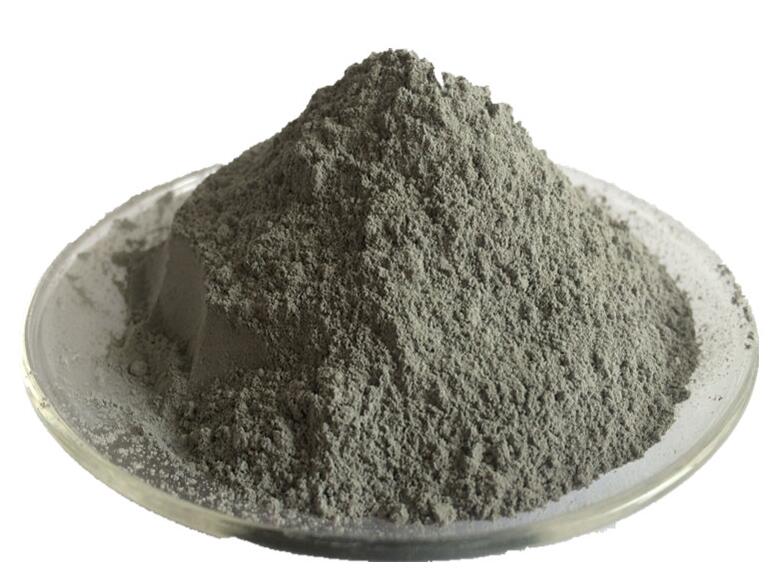
Courtesy - microsilica
The size of the silica fume must be of 22 m2/g (fineness). The diameter of silica fume must be less than 1 µm, with average size being about 1.5 µm. The basic function of silica fume is to fill the voids. They also enhance the rheology as well as in the production of secondary hydrates.
04. Quartz Powder
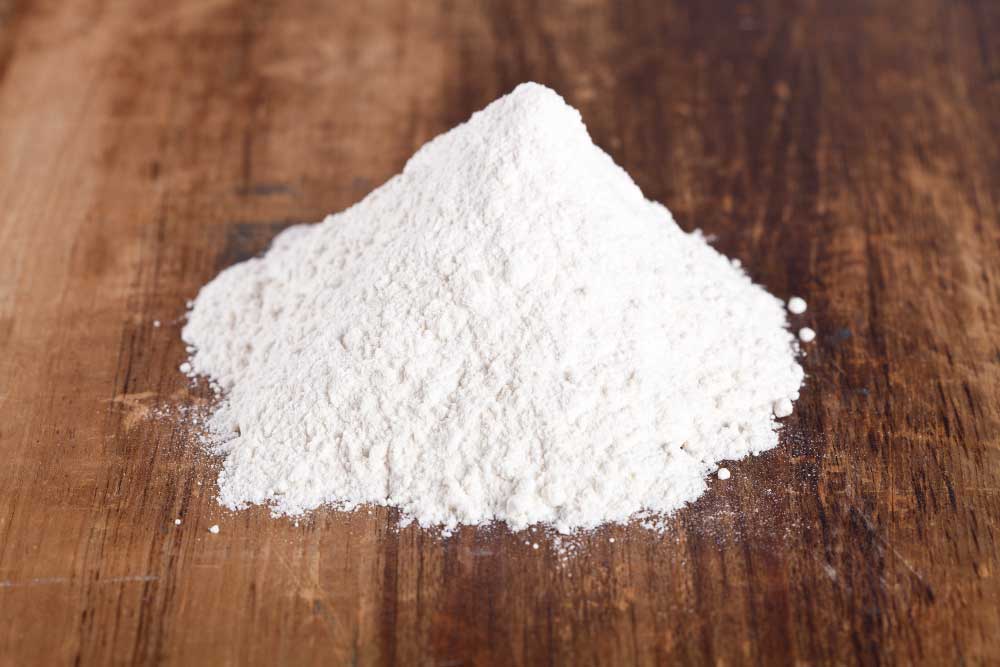
The particle size of quartz powder must range from 5 µm to 25 µm. Quartz powder imparts maximum reactivity during the heat treatment of the mix. It is pH neutral and consists of 99.9% SiO2. It has a specific gravity of 2.6 to 2.7.
05. Steel Fibres
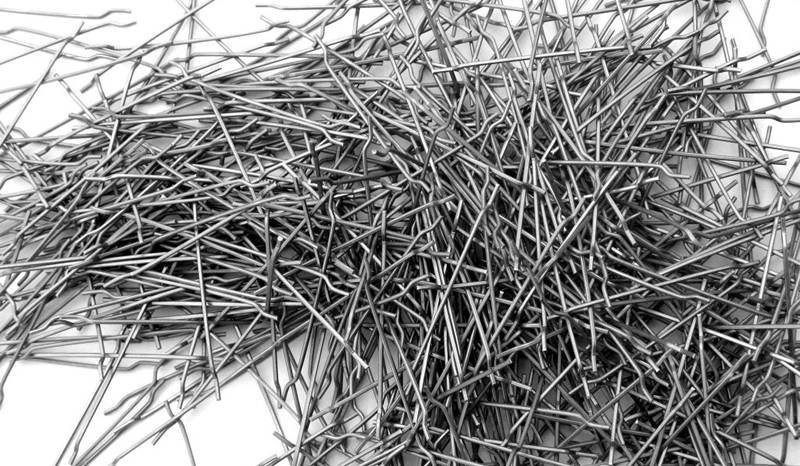
Courtesy - walcoom
The typical dimensions of steel fibres recommended are as follows: Length – 13 to 25mm and Diameter – 0.15 to 0.5 mm. It improves the ductility of reactive powder concrete.
06. Super Plasticizer

The superplasticizer used is polycarboxylate, having a pH of at least 6.0 and volumetric mass up to 1.09 kg/litre at 20 degree Celsius. The main of a superplasticizer in reactive powder concrete is to reduce the water-cement ratio. Additionally, it also reduces the water binding of the concrete mix.
Reactive Powder Concrete Mix Design
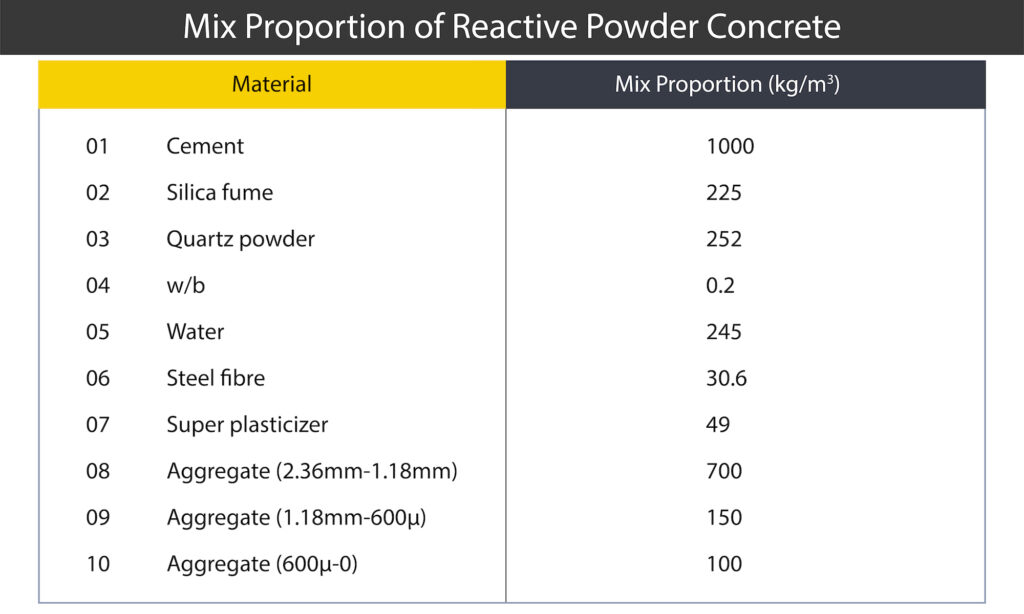
According to the research of Sarika S & Dr Elson John (Published in the International Journal of Engineering Research & Technology (IJERT)), the following mix proportion was used for Reactive Powder Concrete.
Using this mix design, a compressive strength of about 130 MPa was achieved after 28 days of standard water curing.
Courtesy - topchinatravel
Mixing of RPC
Concrete mixing is the first stage in the preparation of RPC.
1. First, all dry materials are mixed for about 2 minutes.
2. After proper mixing, 80% of the mixing water is added and mixed for about 3 minutes.
3. Then, 70% of the superplasticisers and the remaining 15% of the water are added and mixed using a mixing machine.
4. The remaining 30% of the superplasticiser and 5% water are added and mixed for approximately 4 minutes.
5. Finally, steel fibres are added to the mix and blended for about 1 minute to achieve uniform distribution. Concrete cubes of size 100mm x 100mm are then cast and cured for about 28 days.
Curing of Reactive Powder Concrete
Concrete curing is most important for its strength. The curing of reactive powder concrete is done using three different curing methods, indoor natural curing, standard curing, and compound curing. Each of the processes is mentioned in brief below:
Indoor natural curing (NC): One-day de-moulding in addition to maintenance for 7 and 28 days under indoor natural curing conditions.
Standard curing (SC): One-day de-moulding and maintenance for 7 and 28 days under standard curing conditions.
Compound curing (CC): One-day de-moulding by using hot water for 36 hours, and maintained for 7 and 28 days under indoor natural curing conditions.
Various curing conditions significantly influence RPC’s mechanical properties for 7 to 28 days. At the time of combined hot water curing, the strength of reactive powder concrete suddenly increased in 7 days. This particular outcome remained pretty much the same as that of 28 days and higher than that of 7 days/28 days under the standard and natural curing conditions.
Additionally, the result also verified that an appropriate amount of steel fibres in the mix could effectively enhance the internal structure of the matrix and stabilize the performance of RPC. Choosing the appropriate temperature for heat curing and time is crucial for improving the strength of reactive powder concrete. This particular approach can decrease the cost of a prefabricated structure and accelerate the process of construction.
Case Study on Reactive Powder Concrete
Courtesy - topchinatravel
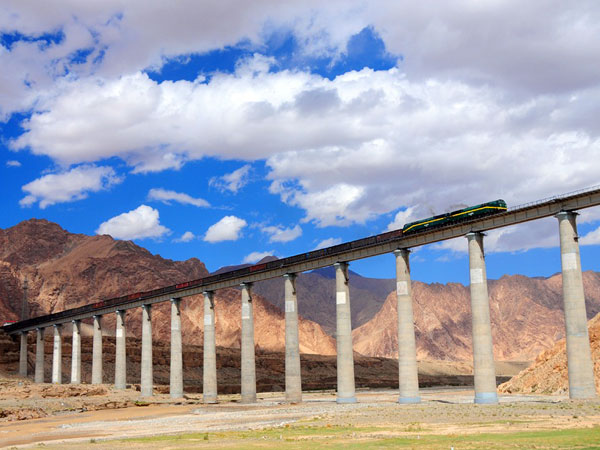
The Qinghai-Tibet railway is located in the west area of China at an altitude that is more than approximately 4,000 meters. A railway of length 576 km is built on the frozen earth. The bad climate along with the sandstorms of the tundra region require the concrete that is used to construct the bridge to have superior mechanical properties and high durability.
Reactive powder concrete consisting of Portland cement, silica fume, superfine fly ash, and superplasticizers is preferred in the sidewalk systems of the bridge with a compressive strength of approximately 160 MPa.
There are numerous difficulties and problems when working with conventional concrete such as rusting of reinforcing steel bars, corrosion, and the rupture of the concrete slab. This results in the yearly maintenance of the conventional concrete sidewalk system. Also, note that the dead weight of the traditional sidewalk system is way more than that of the RPC sidewalk system.
Additionally, the sidewalk system made of reactive powder concrete has various advantages such as lesser deadweight, high durability, minimal cost and low maintenance. Henceforth, RPC was the suitable choice to build the sidewalk system of the Qinghai-Tibet railway in comparison to conventional concrete.
Conclusion
Reactive Powder Concrete offers exceptional strength and durability, and appropriate temperature curing further enhances its mechanical properties.
In certain applications, RPC can reduce or even replace the need for traditional steel reinforcement, thereby simplifying construction procedures.
Because of its superior properties, Reactive powder concrete can significantly extend the service life of structures, particularly ridges and infrastructure exposed to harsh environmental conditions.
Reactive Powder Concrete is an emerging technology that defines the concept of high-performance concrete. It has huge potential in transforming the construction industry due to its exceptional strength and durability compared to conventional concrete.
Therefore, RPC could become an ideal material for specialised structures such as industrial facilities, long-span bridges and nuclear waste storage systems.
Gharpedia has also written amazing blogs on special concrete you would like to know,
Polymer Concrete: Its Pros-Cons, Uses & Properties
Bioconcrete: New Perspective of Self-Healing Concrete
FAQs on Reactive Powder Concrete
01. What Is Reactive Powder Concrete?
Reactive powder concrete is an ultra-high-strength, fine-grained concrete with superior mechanical and durability properties.
02. What are the Advantages of Reactive Powder Concrete?
High compressive strength, low permeability, excellent durability, and reduced structural weight.
03. What are the Applications of Reactive Powder Concrete?
Bridges, high-rise buildings, seismic structures, power plants, and blast-resistant constructions.
04. What Materials are Used in Reactive Powder Concrete?
Cement, quartz sand, silica fume, quartz powder, steel fibres, and superplasticisers.
05. Is Reactive Powder Concrete Better than Conventional Concrete?
Yes, it offers significantly higher strength and durability, though at a higher initial cost.
07. Is Reactive Powder Concrete Better than Conventional Concrete?
Yes, it offers significantly higher strength and durability, though at a higher initial cost.
References
Selvaraj R. & Priyanka R. (2015) Reactive Powder Concrete with and without Fibers. International Journal of Engineering Research & Technology. [Online] 4(09), 884-890. Available from: https://www.ijert.org/research/reactive-powder-concrete-with-and-without-fibers-IJERTV4IS090436.pdf
Sarika S & Dr Elson John (2015) A Study on Properties of Reactive Powder Concrete. International Journal of Engineering Research & Technology. [Online] 4(11), 110-113. Available from: https://www.ijert.org/research/a-study-on-properties-of-reactive-powder-concrete-IJERTV4IS110170.pdf
Author & Expert Review
Written By: Arfa Falak | Guest Author
| Arfa Falak – My name is Arfa Falak and I have my graduation in BE (civil). I live in Bangalore. I am an aspiring design Engineer. |
Verified By Expert:  Ravin Desai – Co Founder – Gharpedia | Co Founder – 1 MNT | Director – SDCPL

This article has been reviewed for technical accuracy by Ravin Desai, Co-Founder of Gharpedia and Director at Sthapati Designers & Consultants Pvt. Ltd. With a B.Tech. in Civil Engineering from VNIT Nagpur and an M.S. in Civil Engineering from Clemson University, USA, and over a decade of international and Indian experience in the construction and design consultancy sector, he ensures all technical content aligns with industry standards and best practices.
Find him on: LinkedIn