





Table of Contents
Quick Summary
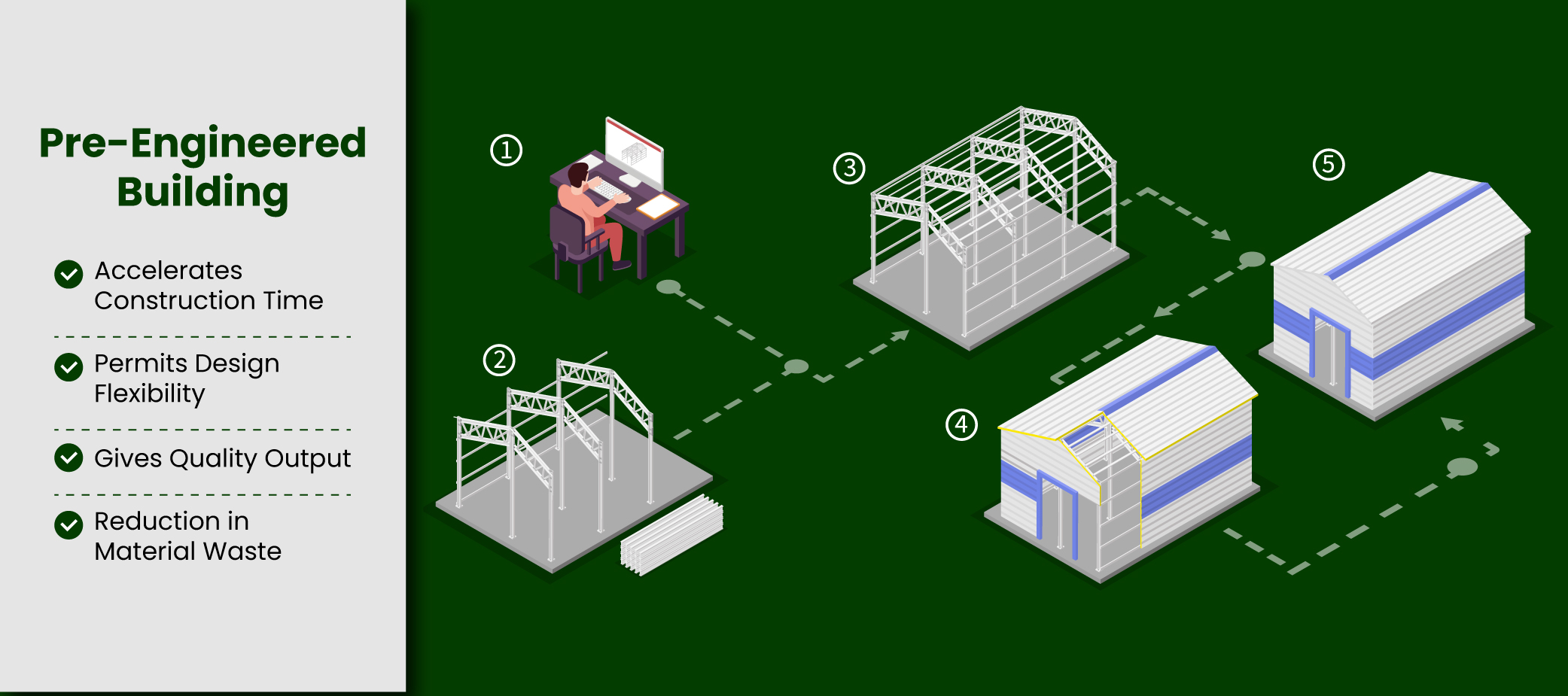
- Pre-Engineered Building Components speed up construction timelines significantly.
- Off-site fabrication reduces delays caused by weather and labour shortages.
- Enables parallel workflows for faster project completion.
- Offers high design flexibility with customizable layouts and features.
- Ensures consistent quality through factory-controlled production.
- Minimizes construction errors and future maintenance needs.
- Reduces material waste and supports sustainable building practices.
- Lowers environmental impact with efficient resource use.
- Improves collaboration between developers, contractors, and suppliers.
- Helps deliver scalable, cost-effective multifamily housing solutions.
The multifamily housing sector is transforming under the influence of factors like efficiency, scalability, and demand. Developers and contractors are being pushed to build excellent housing more quickly, yet in an economically favorable way.
The construction industry is shifting from traditional methods to innovative techniques. Pre-engineered building components provide practical solutions to long-standing challenges. Here is how the shift is significantly impacting current multifamily development projects.
Accelerating Construction Timelines
One of the most obvious benefits of using pre-engineered components is the speed they bring to the construction process. By allowing much of the building to be done off-site, it reduces labor needs and minimizes on-site delays caused by weather or site issues.
Walls, floor structures, and frameworks for the building can also be constructed for ease of placement at the site. The methodology facilitates parallel workflows as both on-site work and fabrication of building elements can occur simultaneously.
It helps compress construction timelines without reducing the quality of the build. Speedy construction translates to quicker occupancy and a stronger return on investment for owners overseeing multiple multifamily homes.
Supporting Design Flexibility and Innovation
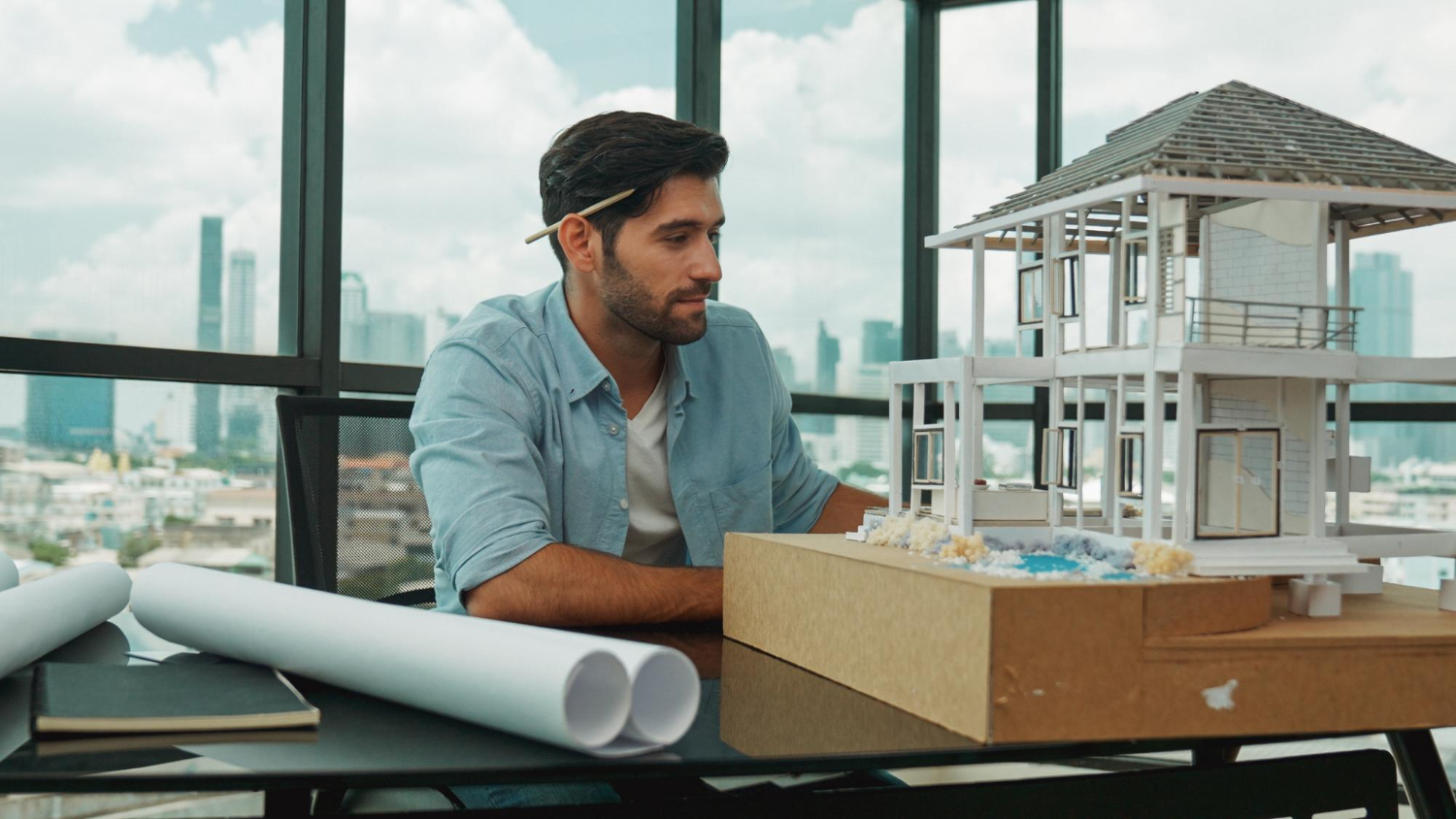
With modern systems, pre-engineered components do not hinder creativity as many assume, but rather support higher levels of design flexibility. Architects and developers can decide from various customizable choices to fit their specific design needs.
Modular assemblies can be arranged according to the needs for layout, building height, and number of units required. The design flexibility can be incorporated into the exterior and amenities as well.
An example is the use of premium multifamily decking options incorporated into pre-engineered units that add value through an attractive outdoor space while keeping the building process simpler. The systems are designed to work efficiently with the main structure.
Enhancing Quality and Consistency
Advanced factory settings are enhancing precision in construction by standardizing the building process. A controlled environment minimizes fluctuations in quality, ensuring consistent results across housing units, which is crucial for multifamily developments.
Precision also decreases installation error and makes for more straightforward work for the construction crews with a clear, pre-tested framework. It allows for faster quality construction with future repairs being minimized.
Reducing Material Waste and Environmental Impact
Sustainability is a huge aspect of design today, and the use of pre-engineered systems makes it easier to achieve sustainability within design. Off-site manufacturing optimizes materials and reduces waste compared to traditional construction methods.
Companies can ensure a more efficient recycling of materials and limit wasteful production processes. The simplified construction process contributes positively to lower emissions during construction projects. Efficiency is achieved through:
- Fewer material deliveries to job sites
- Reduced on-site cutting and debris
- Lower energy consumption during construction
- Improved recycling and resource management
The use of pre-engineered components is supported by the increase in regulations and the growing demand for housing solutions.
Strengthening Collaboration Across Stakeholders

Pre-engineered systems increase cooperation between developers, contractors, and building product manufacturers. Integrated systems necessitate early-stage coordination, requiring stakeholders to align on design, specifications, and timing.
Collaborative methods eliminate mistakes and costlier corrections. The suppliers of building products play an essential role by providing complete system-based solutions that are designed specifically for multifamily building projects.
Integrated products and components are easier to purchase while simultaneously guaranteeing component compatibility. They allow construction teams to concentrate on actual building and not on troubleshooting, which results in a more fluid construction process.
Building Faster, Smarter, and More Sustainably for the Future of Multifamily Living
The shift towards prefabricated building systems influences more than just the on-site assembly of structures. It has revolutionized the design and delivery processes involved in multifamily projects.
Pre-engineered building components improve speed, quality, and sustainability, addressing traditional construction shortcomings. As demand for scalability and affordability rises, they offer builders a way to deliver consistently superior projects.
Also Read: Everything You Need to Know About Prefabricated Buildings
FAQs on Pre-Engineered Building Components in Modern Multifamily Housing
1. What are Pre-Engineered Building Components?
Pre-Engineered Building Components are prefabricated structural elements manufactured off-site and assembled on-site, improving construction efficiency and quality.
2. Why are Pre-Engineered Building Components popular in multifamily housing?
They reduce construction time, ensure consistent quality, and offer cost-effective solutions, making them ideal for large-scale housing projects.
3. Do Pre-Engineered Building Components limit design flexibility?
No, modern systems offer a wide range of customizable options, allowing architects to create flexible and innovative designs.
4. Are Pre-Engineered Building Components environmentally friendly?
Yes, they reduce material waste, lower emissions, and promote efficient use of resources, making them a sustainable construction choice.
5. How do Pre-Engineered Building Components improve construction quality?
They are manufactured in controlled environments, ensuring precision, consistency, and reduced chances of on-site errors.
Courtesy - Image 1(Pexels)
Author & Expert Review
Written By:  Nidhi Patel | Civil Engineer & Content Writer

| Credentials: B.E. (Mahatma Gandhi Institute of Technical Education and Research Centre), Registered with Gujarat Technological University (GTU). Experience: Civil Engineer with 3+ years of content writing experience, currently writing blogs for Gharpedia, part of SDCPL. Expertise: Specializing in SEO-optimized blogs and long-form articles focused on home improvement, construction, interiors and architect topics. I create well-researched, reader-focused content that balances technical accuracy with clarity, making complex subjects easy to understand. Find her on: LinkedIn |
Verified By Expert:  Ravin Desai – Co Founder – Gharpedia | Co Founder – 1 MNT | Director – SDCPL

This article has been reviewed for technical accuracy by Ravin Desai, Co-Founder of Gharpedia and Director at Sthapati Designers & Consultants Pvt. Ltd. With a B.Tech. in Civil Engineering from VNIT Nagpur and an M.S. in Civil Engineering from Clemson University, USA, and over a decade of international and Indian experience in the construction and design consultancy sector, he ensures all technical content aligns with industry standards and best practices.
Find him on: LinkedIn