






Table of Contents
Quick Overview
Here is the quick summary of painting mistakes to avoid:
- Planning your painting schedule in advance can avoid delays and painting mistakes.
- Always clean, repair, sand, and prime walls before you start painting.
- Don’t forget to test paint colours under both natural and artificial lighting.
- Avoid using too many colours; aim for balanced proportions.
- Don’t overmatch colours in your room; you can add contrast for visual interest.
- Choose the correct paint finish or sheen for the look you desire.
- Choose the right painting tools for different surfaces.
- Apply the paint colours precisely, especially on edges and accent walls.
- Consider the mood and feeling you want each room to create.
- Invest in high-quality paint to achieve better durability and finish.
- Don’t blindly copy neighbours’ painting designs; think practically.
Painting is often seen as a quick and affordable way to refresh a home, which is why many homeowners approach it with high expectations and tight budgets. However, a successful paint job involves much more than selecting a trendy colour and applying a few coats. One of the most common mistakes is underestimating the time, cost, and preparation required to achieve a professional-looking finish. Homeowners may expect flawless results from a DIY project without realizing the skill, tools, and surface preparation involved. At the same time, some delay hiring professionals to save money, only to spend more later fixing uneven finishes, peeling paint, or colour mismatches.
Another major oversight is ignoring the condition of the walls before painting. Cracks, moisture damage, stains, and old peeling paint can all affect how new paint adheres and appears. Without proper repairs, cleaning, and priming, even the best-quality paint can fail prematurely. Setting realistic expectations about budget, outcomes, and the difference between DIY and professional work helps prevent frustration and costly rework. Understanding these common pitfalls is the first step toward planning a painting project that delivers both visual appeal and long-term durability.
In this article, we will discuss the common painting mistakes to avoid:
Planning and Preparation Painting Mistakes to Avoid
01. Not Planning Your Schedule Well Can Lead to Many Paintings Problems

Plan and schedule your house painting project very carefully in order to complete on the expected time. Make a plan using different paint strips and digital platforms provided by manufacturers to upload a picture of your room and test the paint colours for a better understanding. Create a colour palette and experiment with mixing and matching complementary shades. Avoid painting on damp surfaces, allow enough time for the first coat to dry before applying the next coat, and, most importantly, paint your walls during the dry season. Plan the entire process of moving furniture, preparing walls, covering surfaces, painting, fixing cracks, and cleaning up after the painting is done.
02. Painting Dirty Walls Without Preparing Them

Preparing the walls before painting is very important for achieving a clean finish. Cissing is one of the common paint problems that happens when the paint is applied to a dirty wall. Always wash the walls, remove the old paint, residues, wallpapers, patches, or stains and cover any switches, sockets, and trims. Before you start painting, try to dry and sand the surface. Take down any light fixtures, wall art, nails, or screws. Apply a primer, then putty, before you start painting dirty walls to achieve smooth surface and a base for lasting results.
Colour and Design Painting Mistakes
03. Overlooking the Role of Lighting in the Paint
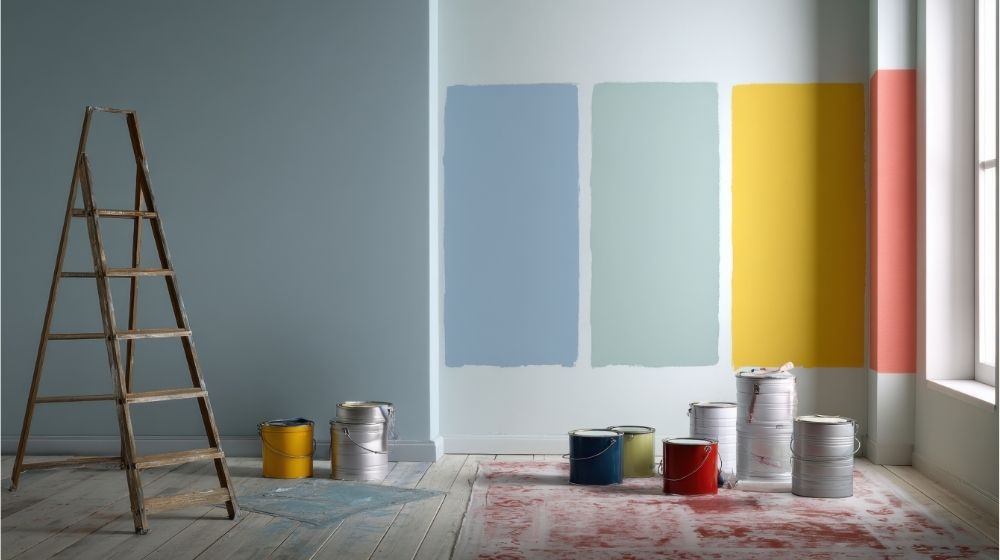
Without light, the colour wouldn’t be interesting to look at. The right lighting can make a colour scheme stand out. Before painting a wall, assess your options for typical house paint colours in natural and artificial light using a sample taped up or sprayed on. Take the colour back to a paint store and describe to a staff member which kind of light caused the colour to fail if the colour palette you believed would work doesn’t. Someone with the necessary experience should be able to put you on the right path to understand this common paint mistake.
04. Using Too Many Colours at Once in Improper Proportions
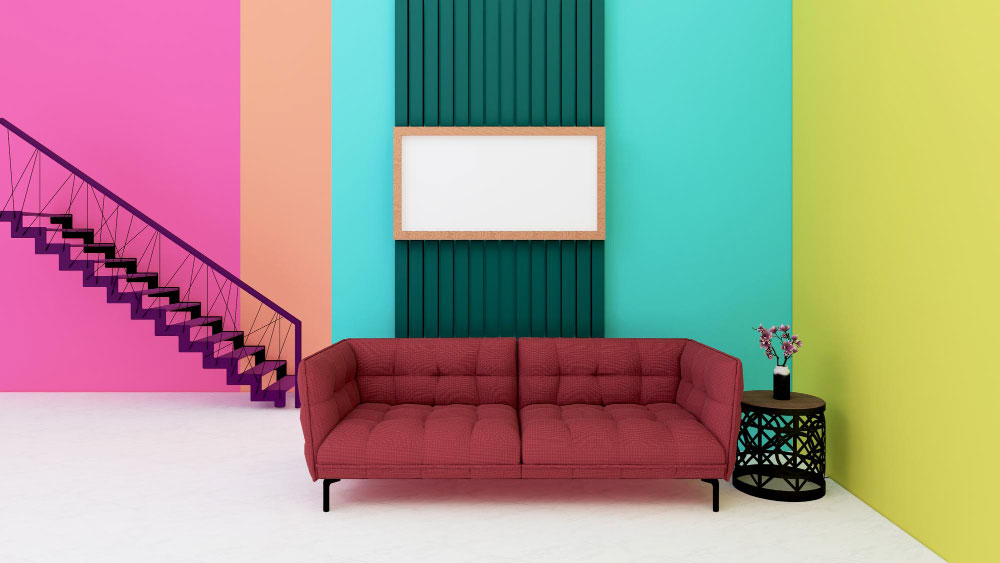
According to Campbell, J, author of ‘A simple view of colour’, science is believed to have disapproved of the idea that colour is independent of the mind. Therefore, there is no restriction on the number of colour schemes used in a single space (Room colour ideas). But, when it came to colour, the adage “the more, the merrier” isn’t necessarily true. Do you want to know if a room has too many clashing colours? There won’t be anything peaceful about the atmosphere in the room, and it can even feel like it’s closing in at times. You can reduce the colour palette until you start to feel balanced. Alternatively, focus on the placement of the colours and how much of each colour you use (aim for one or two primary colours and a few secondary accent colours).
05.Too Much Matching in Your Colour Palette
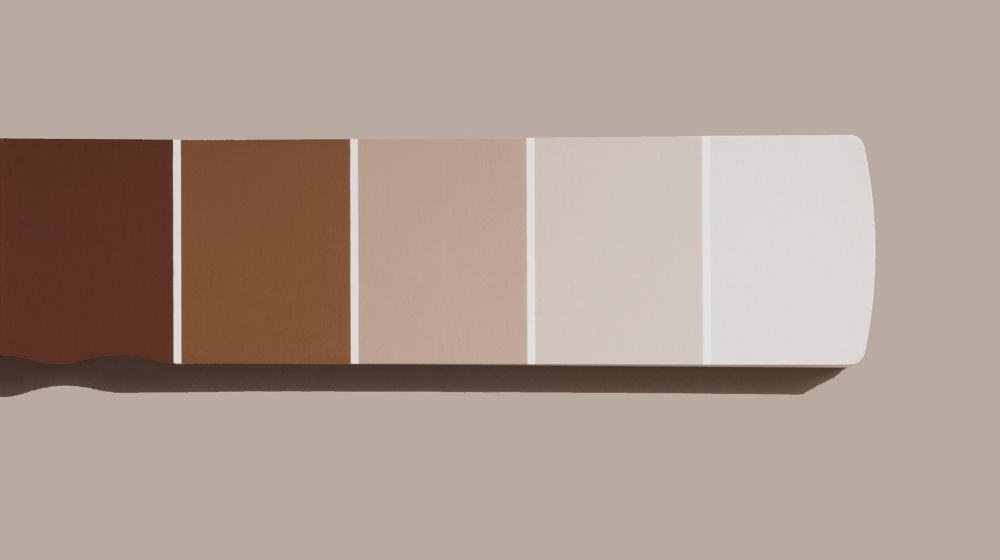
Naturally, a colour scheme aims to show a specific aesthetic in a comprehensible range of tones to tell a visual story. However, a room (or your entire house) could start to feel repetitive, predictable, and soulless if you just employ two or three colours. So how can things be made right? Include a few items scattered around the house that have nothing to do with your colour plan. They’ll infuse the region with more life and interest.
06. Being Overly Cautious with Colour Scheme
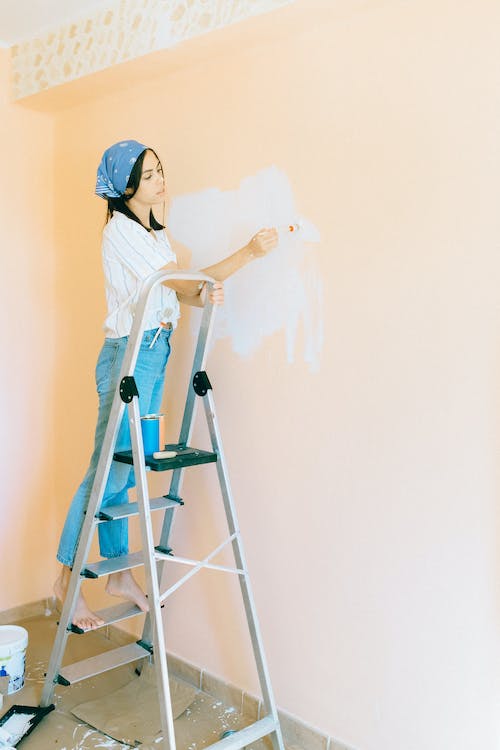
You decided not to paint the walls the colour you wanted because you thought it would be crazy. Although you’ve always wanted a brilliant blue couch, you chose a beige one because it’s more practical. Kitchen cabinets, those are red? You envisage doing it, but you lack the courage to do so. Playing it safe will help you avoid making expensive colour mistakes, but sometimes letting your home get too dull is the biggest mistake of all!
07. Copying The Neighbours Can Result in Painting Issues
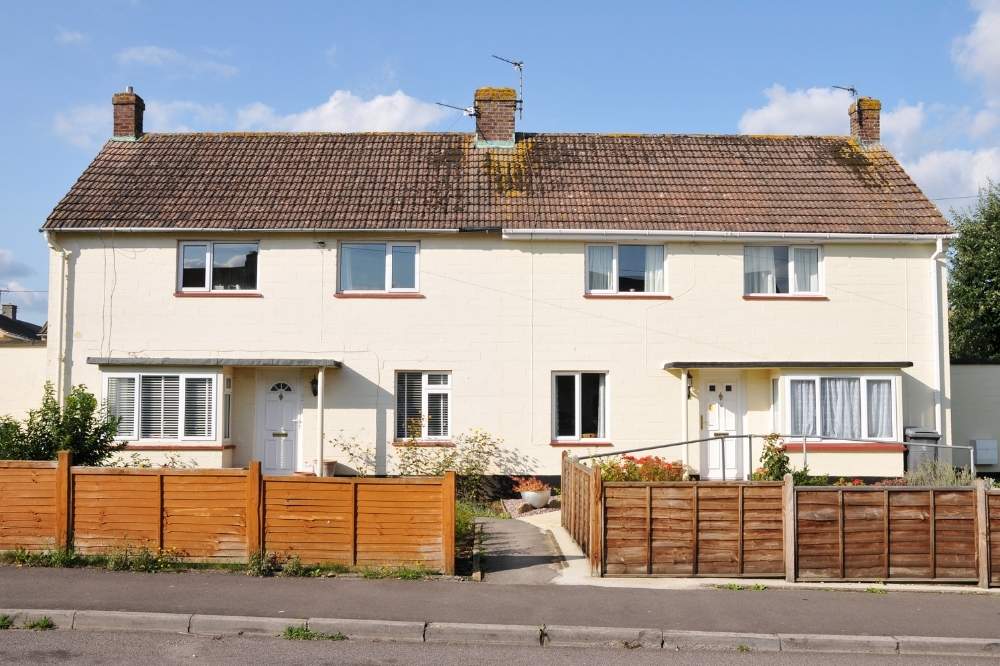
Living in an established neighbourhood and trying to blend in with the surroundings can be costly if not done properly. The fancy motifs and ceilings of your neighbour might look appealing at first, but before copying the architectural marvels of the house, always discuss the pros and cons of painting and cleaning those surfaces with your neighbours.
08. Not Taking Into Account How You Want The Place To Feel
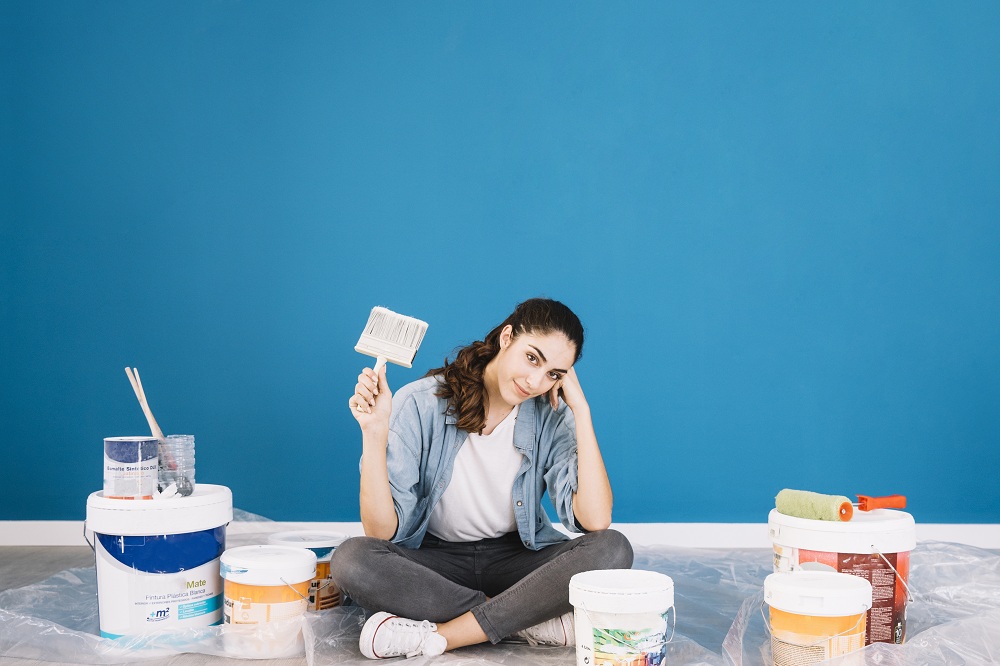
The appearance of a space significantly effects on how it feels. You may like a shade, but you may not like the vibe it creates when it is painted on the four walls of your home. For instance, an individual may love bold red shades, but waking up to the same colour splashed all over the bedroom walls may be pretty uncomfortable. Magic happens when you combine colours you admire with a method to create a room that feels exactly how you want it to, whether energising or calming.
Technical and Execution Painting Mistakes to Avoid
09. Using the Incorrect Finish or Sheen
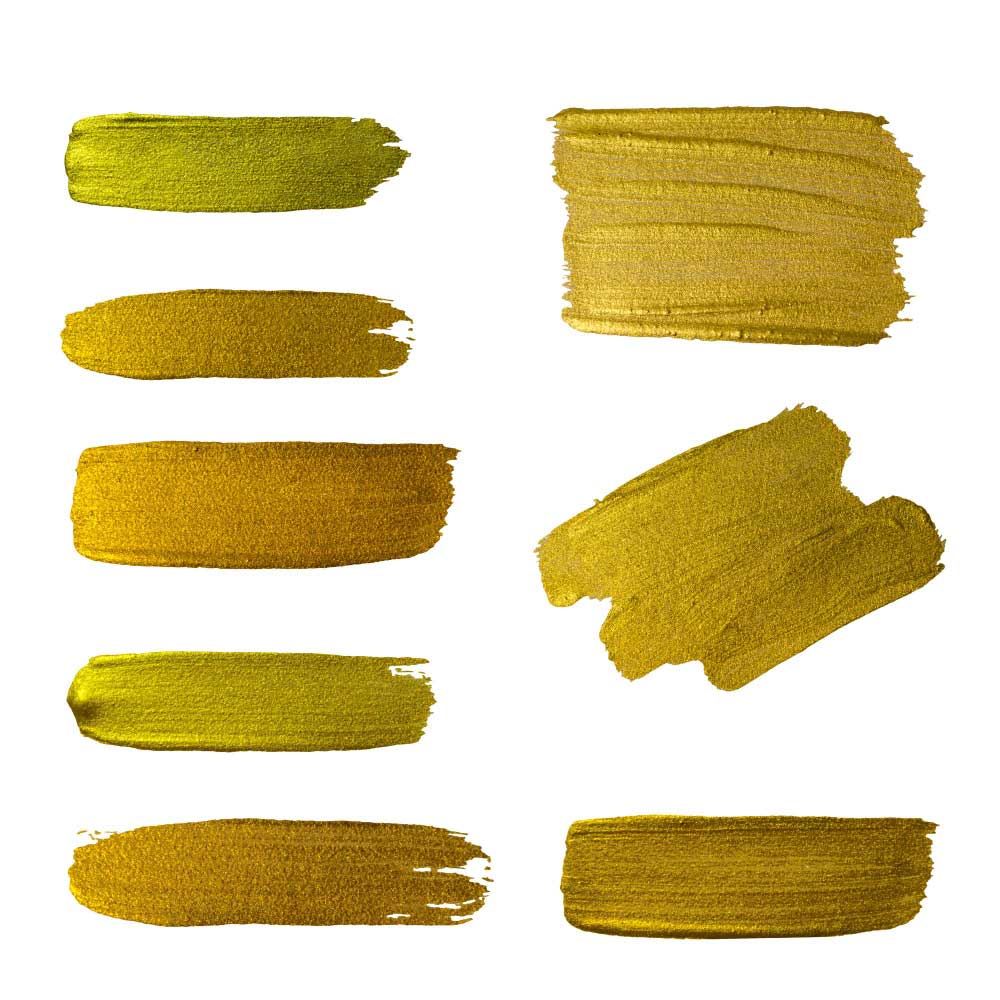
Standard house paint colours significantly affect the effectiveness of the colours you choose for your home. Have you ever painted a wall or a piece of furniture the appropriate colour, yet it still felt off? That is one of the most common painting mistakes to avoid. Perhaps you chose the incorrect finish! Something with a little sheen might have been preferable if you went totally glossy. Or a beautiful matte finish could have softened overly shiny surface. The solution is the same when choosing the perfect shade: put up or spray an example of several finishes so you can see it in the room and under the lighting.
My neighbour has experienced this kind of painting mistakes, he said “On the say of painting contractor, we have chosen textured paint finish (rough finish in mat paint and appears like efflorescence) because that wall has water ingress issue. The painter told us that this type of paint will stop the water ingress. However, he fooled us because the water still seeps in, and moreover, it is now difficult to spot the water ingress due to efflorescence like appearance of paint.”
10. Not Choosing the Right Painting Tools
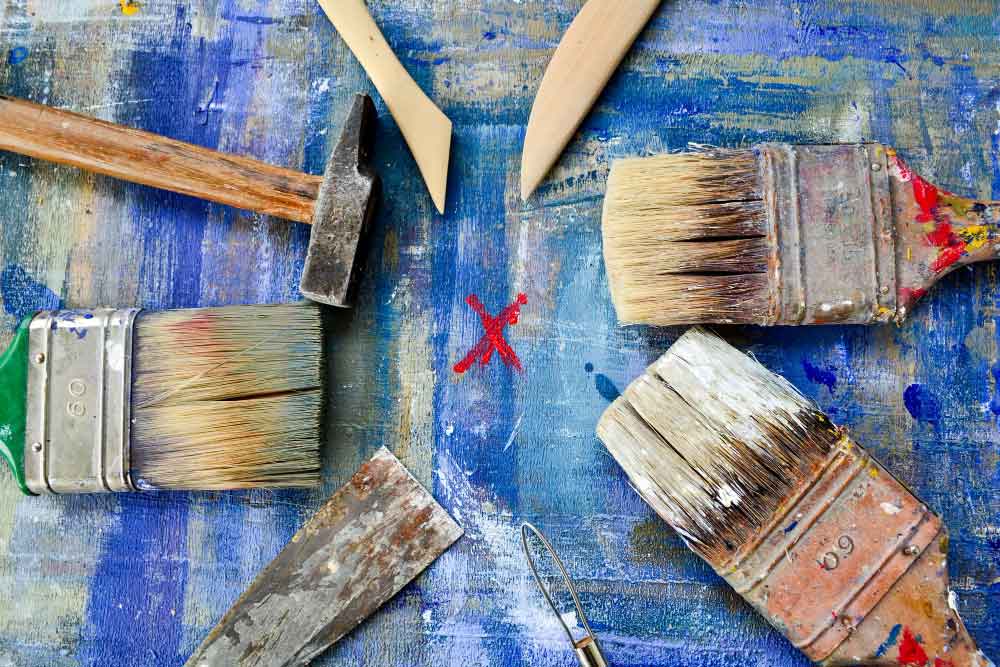
One brush can never fit for all types of painting jobs. Trying to paint different surfaces with a single brush is one of the most common painting mistakes we make. Using the right tool will definitely help you to understand how to fix painting mistakes on walls. The tools used will always tell the difference between an easy job that looks great and a difficult job that does not give the right outcome when completed. Generally, smooth surfaces should be painted using rollers with a thin nap, and rougher textures will require thickly woven rollers that can hold more paint. Use masking tape to cover skirting, switch plates, door and ceiling edges. Cover everything that is in sight with plastic when using spray paints. Many painting problems can be overcome with the right tool.
11. Incorrect Application of Room Colour
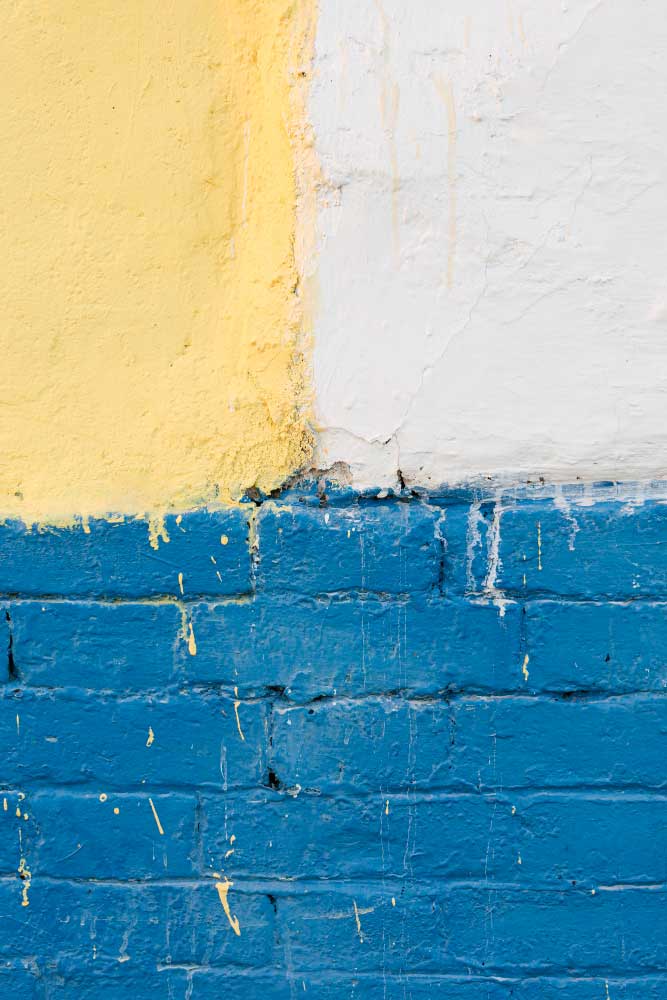
Using barely visible, light-neutral tones for your wall borders allows you to paint your home without worrying about them being too obvious. However, why mess up the ceiling’s edge where a striking accent wall meets it? You may observe such things from space. Spend extra time taping off before adding vivid colours, and invest in dependable tools to finish the task effectively.
12. Using Cheap Wall Paint Can Cost a Lot
Use high-quality paint rather than cheap wall paint for a clean finished look. It will last longer and cover a larger area. Even if it is more expensive, choose a paint that provides a long-lasting finish and better coverage with fewer coats. Saving money by buying cheap wall paint covering a smaller space and providing an average finished look will cost you in the long run by calling for repeated repainting. The quality of the paint used will have an impact on the dramatic difference it will make after the job is done, and sub-standard pain will result in numerous painting problems.
Key Takeaway
An eye-catching colour palette and finish can instantly transform your house from being mundane to Instagram stories worthy. We all make common paint mistakes, big or small, but by following these guidelines, you can avoid at least one. Avoid falling into the trap of making stupid colour combinations when designing your home.
Also Read: Home Painting Guide: Mastering the Art with Expert Tips
FAQs on Common Painting Mistakes You Must Avoid
1. Is There a Wrong Way to Paint a Wall?
In many ways you may paint the wrong ways such as skipping surface preparation, using the wrong tools or paint type. It’s necessary to follow proper painting techniques for a perfect finish.
2. Why is Lighting Important When Choosing Paint Colours?
Lighting, natural or artificial, affects how colours appear. A shade may look perfect in the store but appear dull or overly bright at home under different lighting.
3. How Can You Choose the Right Paint Finish for Your Room?
Use matte finishes for low-traffic areas, satin or eggshell for living rooms, and semi-gloss or gloss for kitchens and bathrooms where easy cleaning is needed.
4. How do You Make Home’s Colour Palette Look Cohesive?
Select complementary tones across rooms and repeat certain accent colours or decor elements to visually connect spaces.
References
Campbell, J.(1993) A simple view of colour. Reality, representation, and projection. [Online] pp.257-68. Available from: https://philosophy.berkeley.edu/file/64/Colour.pdf
Author & Expert Review
Written By:  Gaurav Mishra | Civil Engineer & Content Writer

| Credentials: B.E. (Mahavir Swami College, Surat), Registered with Bhagwan Mahavir University (BMU). Experience: Civil Engineer with 5+ years of content writing experience, currently writing impactful articles for Gharpedia, part of SDCPL. Expertise: Specializes in writing well-researched content on residential construction, construction materials, design planning, on-site practices, and safety, blending technical accuracy with everyday clarity. Find him on: LinkedIn |
Verified By Expert: Ravin Desai – Co Founder – Gharpedia | Co Founder – 1 MNT | Director – SDCPL

This article has been reviewed for technical accuracy by Ravin Desai, Co-Founder of Gharpedia and Director at Sthapati Designers & Consultants Pvt. Ltd. With a B.Tech. in Civil Engineering from VNIT Nagpur and an M.S. in Civil Engineering from Clemson University, USA, and over a decade of international and Indian experience in the construction and design consultancy sector, he ensures all technical content aligns with industry standards and best practices.
Find him on: LinkedIn