





Table of Contents
Quick Summary
- Planning a landscaping project becomes easier when you know what separates reliable contractors from risky ones.
- This article explains how to compare landscaping quotes without getting confused.
- Covers insurance checks, warranties, drainage planning, and realistic project timelines.
- Learn the difference between owner-operated firms and larger landscaping companies.
- Understand which hardscaping materials last longer and why plant selection matters.
- Includes warning signs to avoid, key questions to ask contractors, and a final checklist before signing any agreement.
Receiving three different quotes for the same landscaping project and not knowing which one to trust is one of the most common frustrations homeowners face. One estimate is significantly cheaper than the rest. Another runs several pages long with itemized breakdowns you barely understand. The third looks reasonable on paper but leaves too many details undefined.
The instinct to pick the lowest number is understandable, but it regularly leads to disappointment, incomplete work, poor drainage, plants that die within a season, or contractors who disappear after the deposit clears.
This guide walks you through how to read quotes properly, what questions to ask before signing anything, and how to identify the landscaping companies in Victoria, and anywhere else, that actually deliver on what they promise.
Start with Insurance, Not Aesthetics
The single most important thing to verify before you discuss design preferences or material options is whether a landscaping contractor is properly insured. This is a step most homeowners skip, and it is one of the most financially risky ones.
If an uninsured worker gets injured on your property, you, the homeowner, can be held responsible for their medical expenses, lost wages, and in some cases, legal costs. A contractor who is fully covered carries general liability insurance, workers’ compensation, and often additional property damage coverage. That transfers the financial risk from you to them, which is exactly where it belongs.
Before proceeding with any company, ask:
- Do you carry general liability insurance, and what is the coverage amount?
- Are your crew members covered under a workers’ compensation policy?
- Can you provide a certificate of insurance that names me as an additional insured?
If the answer is vague, dismissive, or the company cannot produce documentation quickly, treat that as a disqualifying factor regardless of how attractive their price or portfolio looks.
How to Read Landscaping Quotes Without Getting Confused
A quote is more than a number at the bottom of a page. It is a written record of what you are paying for, and the way it is written tells you a great deal about how a contractor actually operates.
A well-structured quote should include:
- A clear scope of work that lists each phase of the project, excavation, grading, hardscape installation, planting, irrigation, drainage, lighting, and cleanup
- Specific materials identified by type, brand, and quantity (for example, “interlocking concrete pavers, 60mm, charcoal grey” rather than just “pavers”)
- A defined timeline or project phasing, so you know which stages happen in what order
- Payment terms tied to completion milestones rather than a large upfront deposit
- A section on how change orders are handled, including how additional costs are calculated and communicated
A quote that says something like “backyard renovation, full service” without any breakdown is a problem. It leaves too much open to interpretation and gives the contractor room to cut scope when materials or labour costs run over. When you ask for clarification and a contractor cannot or will not provide it, that tells you something.
On warranties: Any reputable company should offer a written workmanship warranty covering structural elements such as retaining walls, patios, pergolas, decks, and irrigation systems. One to two years is a reasonable baseline. Ask what specifically is covered and what is excluded, particularly in relation to settlement, drainage issues, or plant establishment.
What Good Drainage Design Actually Looks Like
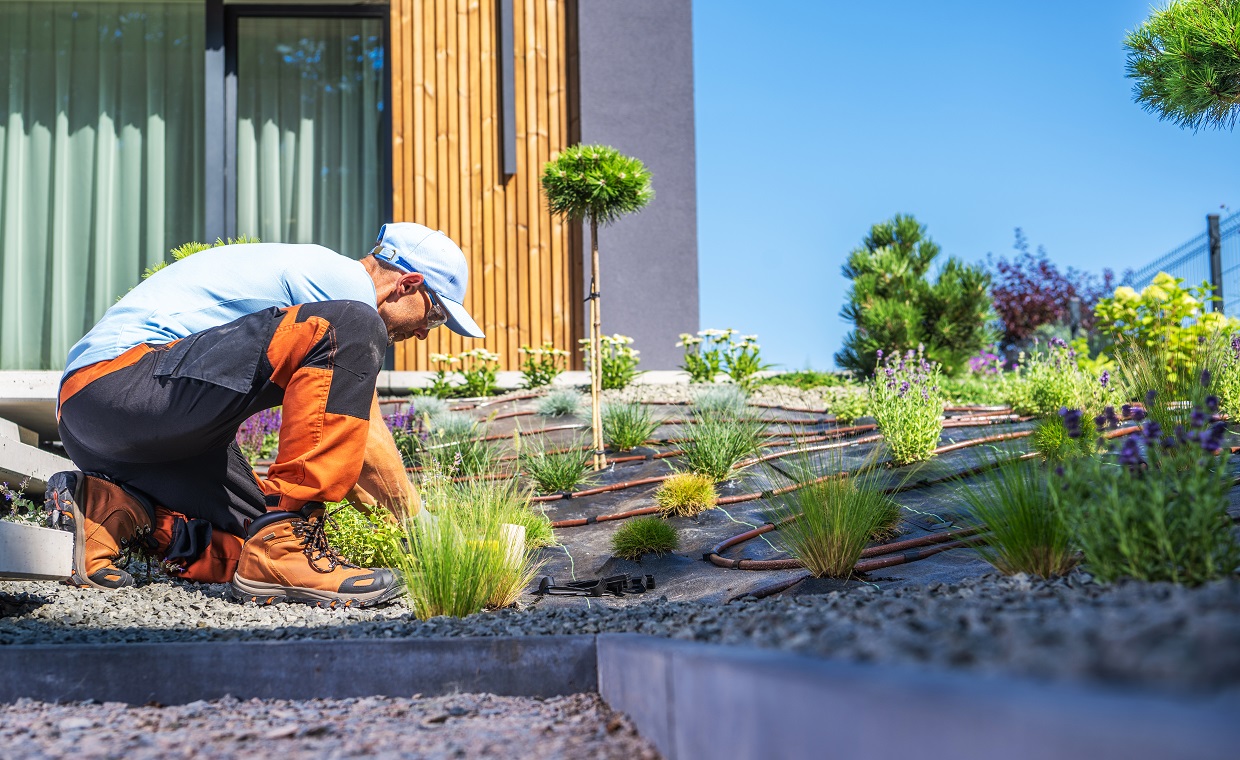
This is an area where many homeowners only discover problems after the fact. Proper drainage planning is one of the most technical aspects of outdoor construction, and it is frequently underestimated in lower-budget quotes.
Water has to go somewhere. If the grade around your home slopes toward the foundation rather than away from it, you will eventually deal with basement moisture, cracked concrete, or soil erosion. A contractor who is serious about drainage will assess the site before proposing any hardscape or planting layout.
Things to look for in a drainage plan:
- Surface grading that directs runoff away from the home’s foundation
- French drains or catch basins are positioned at low points where water collects
- Permeable paving options (gravel, permeable pavers, decomposed granite) in areas where runoff is a concern
- Downspout extensions or underground drain lines to carry roof runoff safely away from planted beds and structures
- Swales or berms in larger properties to manage water flow across slopes
If a company does not raise drainage during the planning conversation, raise it yourself. How they respond will tell you whether they have the depth of knowledge your project requires. For a more detailed look at how drainage integrates with broader home maintenance, Gharpedia’s guide on home repair and maintenance covers related principles worth reading alongside your contractor conversations.
Choosing Between Plants: Native vs Non-Native Species
Plant selection is one of the decisions that will most affect how much time and money you spend maintaining your yard in the years after installation. It is also an area where a knowledgeable landscaper will push back on your preferences if those preferences conflict with what actually grows well in your conditions.
Native and climate-adapted species offer practical advantages:
- Lower water requirements once established, which reduces irrigation costs
- Greater resistance to local pests and diseases, meaning less pesticide use
- Better support for pollinators and local wildlife
- Stronger long-term survival rates than plants that are not suited to local soil and climate
This does not mean every plant in your yard needs to be native. But a contractor who recommends plants purely on aesthetics without considering your soil type, sun exposure, drainage patterns, and seasonal conditions is not giving you the full picture.
When reviewing a plant list in a proposal, ask:
- Which of these species are native or locally adapted?
- What are the water requirements, and how will the irrigation system be set up to match?
- Which plants are likely to need replacement within the first few years, and why?
- Are there alternatives that would perform better with less maintenance?
A landscaper who can answer these questions with specifics rather than generalities is one who understands that a beautiful yard on day one should still look good in year five.
Hardscaping Materials: What Holds Up and What Doesn’t
The materials used in your patios, pathways, retaining walls, and edging will determine whether your investment lasts a decade or starts deteriorating within a few seasons. Price differences between material grades are not always obvious in a quote but show up very clearly over time.
Concrete pavers come in a wide range of quality levels. Cheaper pavers can crack, fade, or shift under freeze-thaw cycles. Ask whether the pavers are rated for your climate and what the manufacturer’s warranty covers.
Natural stone, granite, slate, limestone, bluestone, varies considerably in porosity and slip resistance. Some stones absorb moisture and can crack or become slippery in wet conditions if not properly sealed. A good contractor will specify which stone suits which application.
Composite decking and wood alternatives have improved significantly, but product lines vary in heat resistance, UV stability, and warranty terms. Ask for the specific product line and look up independent reviews.
Retaining wall blocks and timber need proper base preparation and drainage behind them. A wall that looks solid at installation but lacks adequate drainage backfill will bow or tip within a few years. Ask about base depth, compaction methods, and drainage aggregate.
The general rule: if a contractor cannot or will not specify materials by name and grade, assume they are planning to use whatever is cheapest at the time of purchase.
Owner-Operated vs Large Landscape Companies
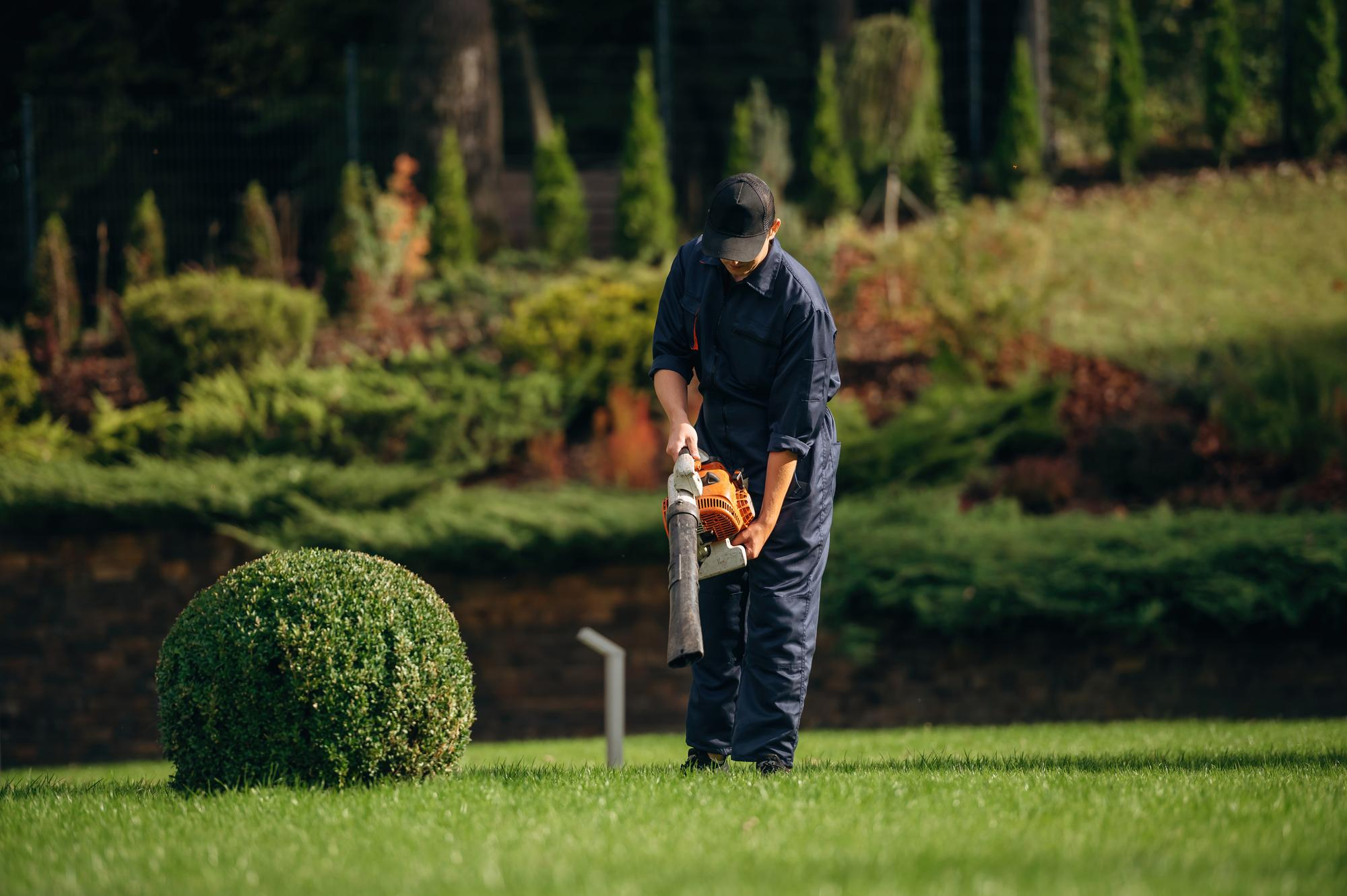
There is no universally correct answer here, but understanding the tradeoffs helps you match the right type of company to your project.
Larger companies often have multiple crews, which can mean faster mobilization on straightforward projects. They typically have standardized processes and may be easier to find through directories and advertising. The tradeoff is that you may deal with a salesperson during quoting, a project manager during construction, and a separate crew you have never met doing the actual work.
Smaller, owner-operated firms often have the owner or a senior team member present on-site throughout the project. This level of accountability tends to produce better quality control and more responsive problem-solving when something does not go to plan. Owner-operators also tend to have long-standing relationships with local nurseries and suppliers, which can give you better access to quality stock and materials.
The best outcome for most residential projects is a smaller company that operates with the discipline of a larger one, organized quoting, written contracts, proper scheduling, and clear communication, combined with the hands-on accountability that owner-operated businesses are known for. This is why many homeowners searching for landscaping companies Victoria BC gravitate toward mid-sized local operators who can offer both structure and personal attention.
Red Flags Worth Walking Away From
Some warning signs should end a conversation regardless of how competitive the pricing is:
- No written contract. Verbal agreements are not enforceable in any meaningful way when disputes arise.
- Full payment required upfront. Payment schedules tied to project milestones are standard practice among reputable contractors.
- No portfolio or project history. Every established company has photos of completed work. The absence of these is not an oversight.
- Reluctance to provide references. A contractor who cannot connect you with two or three recent clients has something to hide.
- Pressure to sign immediately. Legitimate companies give you time to review quotes and compare options.
- No fixed business address. If there is no traceable business location, your recourse options in a dispute are very limited.
- Inconsistent communication during quoting. If a company is slow to respond or unprofessional before the contract is signed, it will only get worse after it is.
Setting Realistic Timelines
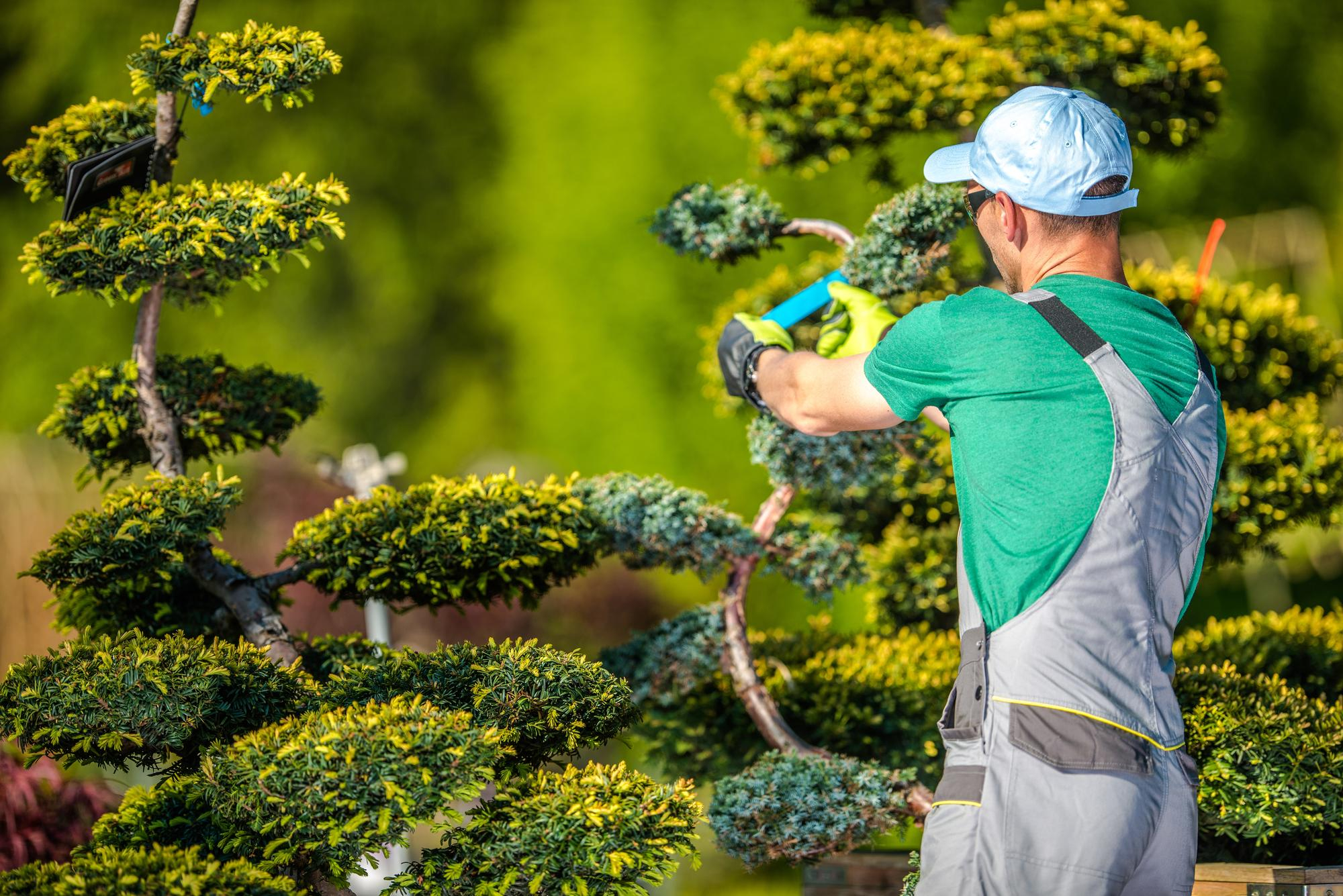
Landscaping work takes longer than most homeowners expect, and contractors who promise otherwise are either overstaffed for the project or planning to rush.
A simple planting refresh or lawn renovation might take a week or two. A full backyard build involving hardscape, planting, irrigation, drainage, and lighting can take several weeks to a few months depending on scale, soil conditions, permit requirements, and material availability.
A professional contractor will:
- Break the project into phases with estimated start and end dates for each
- Give advance notice if weather or supply delays shift the schedule
- Not commit to a timeline that requires skipping prep steps, inspections, or adequate curing time for concrete and adhesives
Rushed work produces specific, predictable problems, such as pavers that settle unevenly, walls that lean, and grass that dies because the soil was not properly prepared. These corrections cost more to fix after the fact than they would have cost to do right the first time.
A Checklist Before You Sign
Before committing to any contractor, confirm the following:
- Proof of insurance and workers’ compensation coverage received
- Scope of work lists every phase with specific materials named
- Payment schedule tied to milestones, not arbitrary dates
- Written warranty covering workmanship and structural elements
- Timeline broken into phases with realistic start dates
- Change order process defined in writing
- References contacted and checked
- Online reviews read across multiple platforms
- Business registration verifiable
- Contract reviewed, ideally by someone other than you, before signing
Building a Long-Term Relationship with Your Landscaper
A yard is not finished when the crew leaves after installation. Plants need time to establish. Irrigation systems need seasonal adjustment. Mulch breaks down and needs replenishment. Hardscape requires occasional inspection and minor repairs.
Homeowners who work with the same company for ongoing maintenance typically end up with better results than those who hire for a one-time install and then go it alone. A contractor who already knows your soil, drainage quirks, plant preferences, and what was installed previously can make smarter decisions year over year.
The criteria that make someone worth hiring for a project are the same ones that make them worth keeping as a long-term service provider: reliability, transparency, quality materials, and clear communication. Find those qualities first, and everything else follows.
Also Read: Practical Bathroom Design Ideas for Modern Homes
FAQs – Landscaping Companies
1. How many landscaping quotes should I compare?
It is best to compare at least three detailed quotes. This helps you understand average pricing, project scope, and differences in materials or workmanship.
2. Why is insurance important when hiring landscaping companies?
Insurance protects homeowners from liability if accidents, injuries, or property damage happen during the project.
3. What should be included in a landscaping quote?
A professional quote should include scope of work, materials, timelines, payment terms, warranties, and change order details.
4. Are native plants better for residential landscaping?
Native and climate-adapted plants usually require less water, lower maintenance, and survive better in local conditions.
5. How long does a complete landscaping project usually take?
The timeline depends on the size and complexity of the project. Smaller upgrades may take one to two weeks, while full backyard renovations can take several months.
Author & Expert Review
Written By:  Gaurav Mishra | Civil Engineer & Content Writer

| Credentials: B.E. (Mahavir Swami College, Surat), Registered with Bhagwan Mahavir University (BMU). Experience: Civil Engineer with 5+ years of content writing experience, currently writing impactful articles for Gharpedia, part of SDCPL. Expertise: Specializes in writing well-researched content on residential construction, construction materials, design planning, on-site practices, and safety, blending technical accuracy with everyday clarity. Find him on: LinkedIn |
Verified By Expert: Ravin Desai – Co Founder – Gharpedia | Co Founder – 1 MNT | Director – SDCPL

This article has been reviewed for technical accuracy by Ravin Desai, Co-Founder of Gharpedia and Director at Sthapati Designers & Consultants Pvt. Ltd. With a B.Tech. in Civil Engineering from VNIT Nagpur and an M.S. in Civil Engineering from Clemson University, USA, and over a decade of international and Indian experience in the construction and design consultancy sector, he ensures all technical content aligns with industry standards and best practices.
Find him on: LinkedIn