





Table of Contents
Quick Summary
- How to draw a house plan is a technical issue, but often homeowners take interest in it.
- A house plan is a scaled architectural drawing that shows the layout, dimensions, and specifications of a home.
- It serves as the foundation for construction, guiding homeowners, architects, and builders.
- Drawing a house plan helps visualise space usage, movement, and functionality before construction begins.
- A good house plan balances comfort, aesthetics, budget, and future expansion.
- Beginners should start by listing requirements, such as rooms, amenities, and building type.
- Site data collection—plot size, orientation, road access, and open sides—is essential.
- The drawing process includes boundary marking, room partitioning, and size adjustments.
- Final detailing covers furniture layout, electrical, and plumbing plans.
- Standard room sizes ensure practicality and comfort.
How to draw a house plan? The task may seem complex, especially for beginners. The basic requirement for drawing a house plan is understanding the homeowner’s needs, as the homeowner rarely draws the house plan himself.
A house plan is more than just a drawing, it’s all about understanding a plan to design a home. It is a visual roadmap that guides construction, budgeting, space planning, and everyday living comfort. Whether you are planning a small home or a big one, visualising future construction with basic civil engineering knowledge gives a clearer vision of your project in relation to the plot area.
This guide explains the house plan drawing process step by step, using simple concepts, clear logic, and beginner-friendly planning principles. It simplifies how engineers approach house planning and explains the process in a way that is easy for common users to understand.
Introduction to House Plan
A house plan is an architectural drawing. Besides presenting a home’s layout in scaled specifications, it depicts all scopes and provisions of the house. It is also called a blueprint. A house plan outlines every part of a home, from its layout and walls to its electrical wiring and plumbing, while adhering to local by-laws and construction regulations.
In the words of Frank Gehry, a floor plan is a 2D graphical drawing that shows the basic layout of a property in scale from an aerial view.
In addition, a house plan represents detailed designs of rooms, walls, doors, windows, staircases, and circulation areas from an aerial view. For beginners, it is important to distinguish between different types of drawings. A floor plan shows room layouts, elevations show the exterior appearance, and sections reveal vertical details such as heights and levels.

But why do you need to understand the process of drawing a house plan when professionals usually do it?
Suppose you are constructing or improving your home and are unsure where to begin; then your house plan can be your starting point. The process of drawing a house plan can appear like a daunting task at first, but it doesn’t have to be complicated or stressful. With the right inputs and requirements, you’ll find that drawing a house plan isn’t too tricky.
Whether you want to remodel your current home, build from the ground up, or plan construction materials, a house plan is extremely helpful.

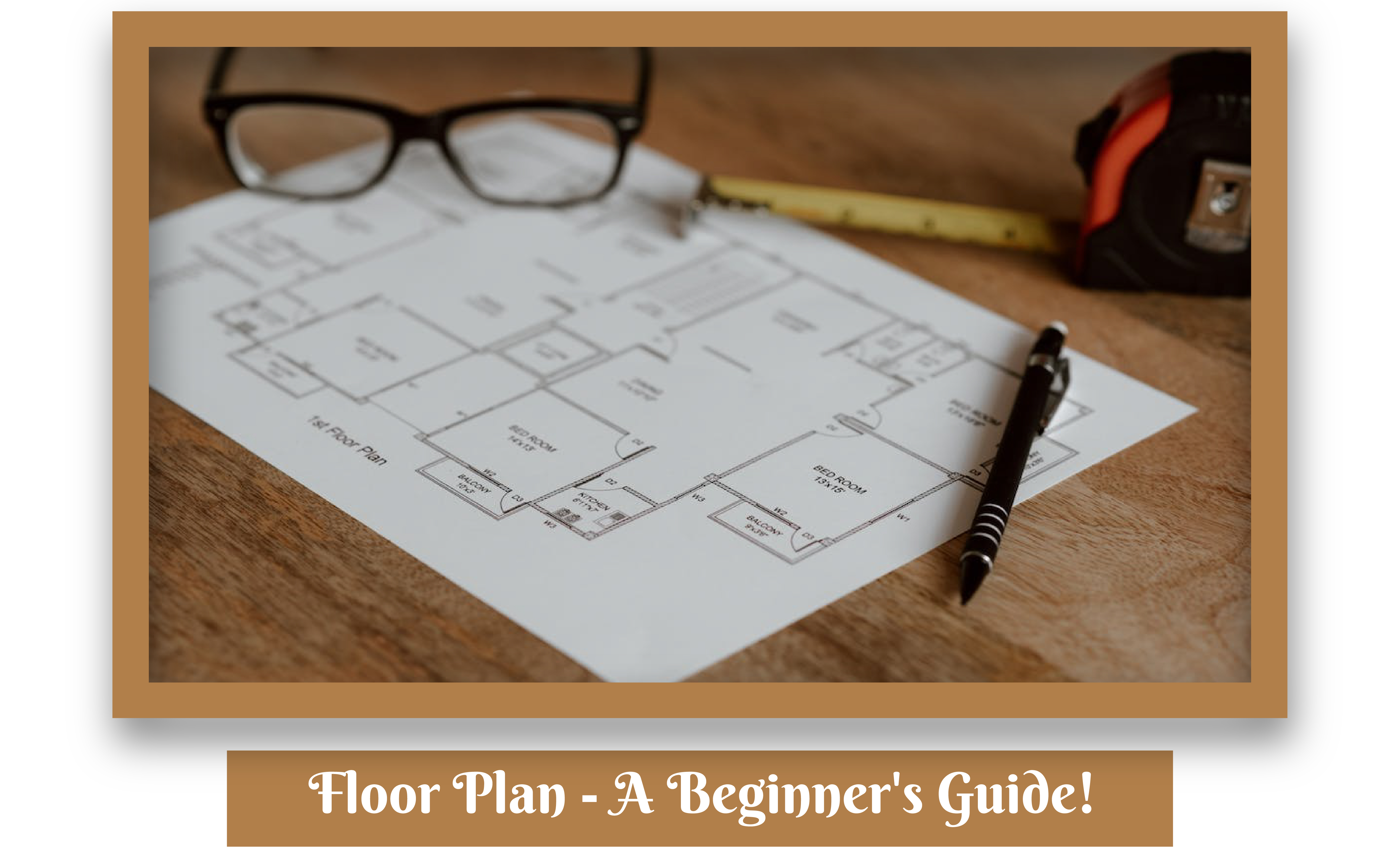
Why Do We Need A House Plan?
A house plan is something we often hear about but may not fully understand its importance. Floor plan sketches form the foundation of all construction drawings. They help estimate material quantities, visualise movement within the house, and identify functional issues before construction begins. Even a simple hand-drawn plan improves communication with architects, engineers, and contractors.
A well-designed house plan is a major factor in ensuring that your new home remains comfortable and functional for years to come. Ideally, if you’re building a home from scratch, you should work with an architect to design your home, or explore ready-made options. If you are looking for the latter, visit Smallhouseplan.com.
A house plan helps with material and resource planning during construction and serves as the foundation for detailed house design. Lastly, a house plan provides a clear picture of a home without physically visiting it when purchasing or renting. It offers a detailed description of space and its intended use.
Features of a Good House Plan Design

1. Functional Layout
A well-designed house plan ensures smooth movement between rooms, reduces wastage of space and improves daily usability.
2. Optimal Space Utilisation
Every square foot is planned with purpose, balancing open areas and private zones for comfort and efficiency.
3. Natural Light and Ventilation
A good house plan allows strategic placement of doors and windows to ensure ample daylight and airflow. This keeps the space fresh, improves comfort, and minimises dependence on artificial lighting and cooling.
4. Structural Safety and Stability
A reliable house plan adheres to approved building standards and sound load distribution, ensuring long-term strength and safety.
5. Flexibility for Future Needs
In a professional house plan, rooms and other spaces are designed to adapt to changing needs, such as adding a workspace or extending rooms to accommodate a growing family.
6. Energy Efficiency
Room orientation, insulation, and ventilation are planned to maintain comfortable indoor temperatures while controlling energy use and costs.
7. Privacy and Zoning
Living areas, bedrooms, and service spaces are clearly separated to maintain privacy and reduce noise disturbance.
8. Storage Optimisation
Thoughtfully planned storage areas, such as wardrobes and utility areas, help keep the home organised and clutter-free.
9. Aesthetic Balance
The design should balance exterior appearance and interior layout, ensuring cohesion and practicality.
10. Budget-Friendly Planning
The house plan should align with construction material planning and maintenance budgets while maintaining quality and comfort.
Beginners’ Guide to Drawing a House Plan
Drawing a house plan becomes easier when you understand the basic layout principles, room functions, and measurements. This awareness helps beginners create practical, well-structured designs before moving to detailed architectural planning. The complete process is explained in the following eight steps, along with common mistakes to avoid.
01. Collect Requirement

Every individual has certain expectations and requirements for their house, in terms of shape, size or amenities such as floors, garden space, parking, bedrooms and bathrooms. Therefore, it is necessary to understand them before starting the drawing process.
It is also important to determine the building type, whether it is a condo, apartment, bungalow, or villa. Apartment buildings usually have more floors than private homes.
List the number of bedrooms, living rooms, kitchens, bathrooms, parking slots, garden areas, and storage spaces so that no key requirements are overlooked.
02. Collect Site Data

Site data is essential before drawing a house plan. Carry tools such as a pen, paper, compass, and measuring tape when visiting the plot. Identify the north direction accurately.
The plot side facing the road should be the primary focus in the drawing process. You should design the home’s entrance facing the street. You might choose to provide two entrances for corner plots depending on road access.
03. Basic Planning Principles Beginners Must Know

Good house planning focuses on comfort, efficiency, and safety. Natural light and cross-ventilation reduce energy use and improve indoor quality.
Zoning is important. Shared spaces like living and dining areas should be near the entrance, while private areas like bedrooms should be deeper inside the house. Service areas such as kitchens and bathrooms should be grouped to simplify plumbing.
Furniture placement should be considered to avoid cramped spaces. Adequate clearance around furniture and doors is a must.
Compliance with local building rules, including setbacks, floor area limits, and height restrictions, is mandatory.
04. Common Mistakes Beginners Should Avoid

Beginners should avoid:
- Ignoring circulation space and movement flow. Overcrowding rooms with excessive functions.
- Incorrect scaling of rooms. Rooms may appear adequate on paper, but feel too small in reality if the scale is improper. Beginners often forget storage areas, utility spaces, or future expansion possibilities.
- Placing doors where they may clash with furniture or block circulation.
- Rushing planning and making costly construction errors.
05. When to Consult an Architect or Professional

Beginners can create basic layouts, but professional guidance is required for final construction drawings because architects ensure structural safety, legal compliance, and efficient space utilisation.
Complex designs, multi-storey buildings, open plan living places, or homes requiring approvals should always involve professionals. A rough plan prepared by a homeowner can still be valuable, as it communicates preferences clearly and reduces design revisions.
06. Tips to Improve Your First House Plan


- Start with a simple layout and refine it gradually.
- Study existing house plans to understand proportions and layout ideas.
- Seek feedback from family or professionals.
- Draw multiple versions before finalising.
07. Tools Required to Draw a House Plan
Beginners can start with graph paper, pencils, erasers, and a scale ruler. Graph paper helps maintain proportion and alignment, making it ideal for first attempts. Digital tools offer an advanced level of flexibility and accuracy, allowing 2D and 3D visualisation. The choice depends on comfort level and project complexity. The choice depends on comfort level, project complexity, and learning goals. Starting simple is always recommended before moving to advanced software for beginners.
08. Make a Schedule of Factors Needed in House Plan
List all the amenities, furniture, electrical sockets, doors, windows, ventilators, washbasins, kitchen sink, drains and other features before drawing a house plan. Mention quantities and specifications clearly.
Standard Room Sizes To Be Considered in a Floor Plan Design
All across the world, people utilize rooms that are the same size. These measurements aid in determining a room’s ideal size.
01. Bedroom
| Master Bedroom Size | Dimension (ft) |
| Large | 16 x 24 |
| Medium | 14 x 20 |
| Small | 12 x 14 |
| Bedroom Size | Dimension (ft) |
| Large | 14 x 16 |
| Medium | 12 x 12 |
| Small | 10 x 10 |
02. Bathroom
| Bathroom Size | Dimension (ft) |
| Large | 8 x 12 |
| Medium | 7 x 10 |
| Small | 6 x 9 |
03. Living Room
| Living Room Size | Dimension (ft) |
| Large | 22 x 28 |
| Medium | 16 x 20 |
| Small | 12 x 18 |
04. Kitchen
| Kitchen Size | Dimension (ft) |
| Large | 12 x 20 |
| Medium | 10 x 16 |
| Small | 5 x 10 |
Final Takeaway
Understanding how to draw a house plan is crucial when building or remodelling a home. The features of a good house plan, step-by-step guidance, and standard room sizes help ensure comfort and functionality.
Drawing a house plan is a practical skill that builds understanding and confidence. By learning basic elements, symbols, tools, and planning principles, anyone can create a functional layout. Thoughtful planning saves time, money, and stress during construction. While it is not entirely a DIY project, learning the basics empowers homeowners to communicate better with professionals. For more learning, explore: How to Design A House Floor Plan: A To Z Guide
And before you go, here are the floor plan blunders you must avoid while developing a house plan: 19 Common Floor Plan Mistakes and Tips to Avoid Them in Your Home!
FAQs on Beginners Guide to Draw a House Plan
1. What is a House Plan?
A house plan is a detailed architectural drawing showing the layout and dimensions of a house.
2. Why is a House Plan Important?
It ensures proper space planning, cost estimation, and smooth construction.
3. Can Beginners Draw a House Plan?
Yes, with basic measurements, requirements, and step-by-step planning, beginners can draw one.
4. What are the Basic Steps to Draw a House Plan?
Requirement listing, site data collection, boundary drawing, room partitioning, and detailing are the basic steps to draw a house plan.
5. What Makes a Good House Plan?
Flexibility, proper room sizes, good circulation, future expansion scope, and lifestyle alignment can make a good house plan.
References
MasterClass (2021) Floor Plan Guide: How to Draw Your Own Floor Plan. [Online] Available from: https://www.masterclass.com/articles/floor-plan-guide-how-to-draw-your-own-floor-plan
Author & Expert Review
Written By:  Swagata Chatterjee | SEO Content Writer & Editor

| Credentials: MA (Calcutta University, Kolkata). Experience: Content Writer and Editor with 19 years’ experience of business content writing and editing, currently writing SEO-optimized, readers’-friendly articles for Gharpedia, part of SDCPL. Expertise: Specializes in writing well-researched content on lifestyle, home décor, , lifestyle, safety, home appliances and gadgets, on-site SEO Optimization, blending technical accuracy with general reader’s ability to learn the topics. Find her on : Linkedin |
Verified By Expert: Mansi Shah – Architect & Architectural Content Writer, SDCPL | B.Arch.
 Mansi Shah – Architect & Architectural Content Writer,
 This article has been reviewed for architectural and interior design accuracy by Mansi Shah, an Architect associated with Sthapati Designers & Consultants Pvt. Ltd. (SDCPL). With over 25 years of professional experience in architectural planning, design development, detailing, and on-site execution of residential, commercial, and institutional projects, she brings deep expertise in architecture and interior planning, material selection, construction practices, and building bylaws. Her review ensures the content reflects practical design principles, interior space efficiency, and industry-aligned architectural standards.
Find him on: LinkedIn