





Table of Contents
Quick Summary
- Hard water contains minerals like calcium and magnesium that can damage plumbing systems and appliances over time.
- A water softener helps prevent scale buildup inside pipes, improving water flow and reducing repair costs.
- Softened water improves the efficiency and lifespan of appliances such as water heaters, dishwashers, and washing machines.
- Soft water helps soaps and detergents work better, resulting in cleaner dishes, softer laundry, and less soap scum.
- Homeowners may also experience smoother skin, healthier hair, and lower energy bills with a water softener system.
- Choosing the right water treatment solution depends on water usage, family size, and mineral levels in the water supply.
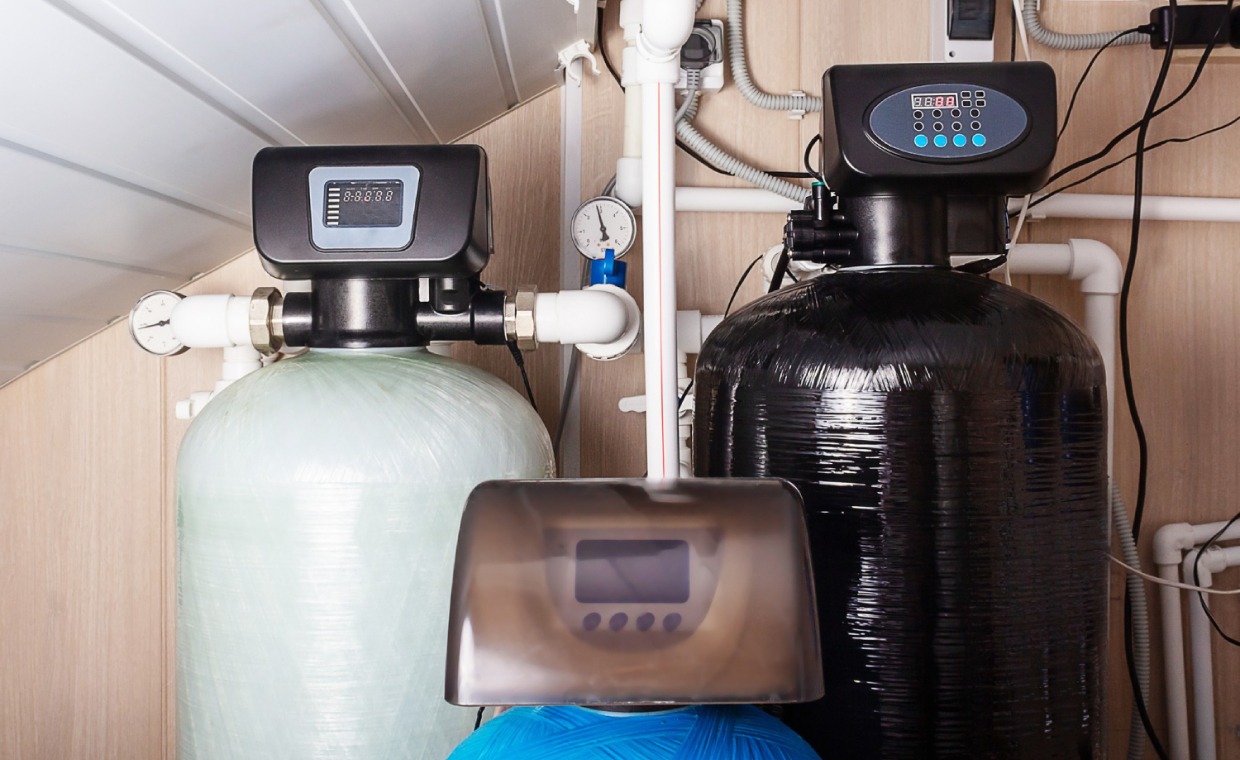
Hard water is a common issue for many homeowners, especially in areas where minerals such as calcium and magnesium are naturally present in the water supply. While hard water may seem harmless at first, over time it can create significant problems throughout your home. From clogged pipes and worn-out appliances to dry skin and higher energy bills, untreated hard water can quietly cost homeowners thousands of dollars. Fortunately, installing a water softener can provide a long-term solution that benefits both your home and your family.
Common Issues of Hard Water and How to Manage Them
Scale Deposits on Plumbing System
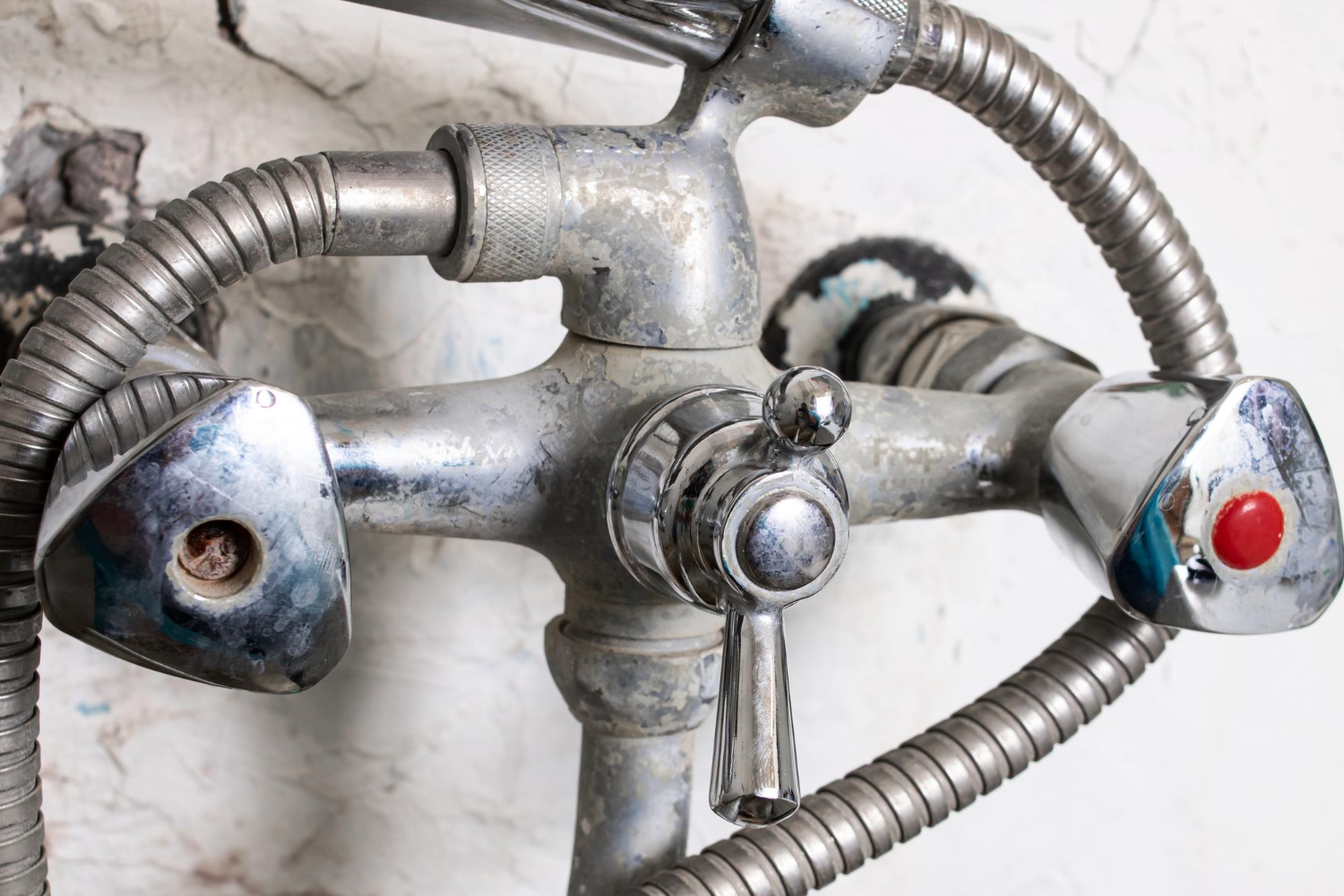
One of the biggest reasons homeowners invest in a water softener is to protect their plumbing system. Hard water minerals slowly build up inside pipes, creating scale that restricts water flow. This buildup can eventually lead to reduced water pressure, pipe corrosion, and expensive plumbing repairs. If left untreated for years, mineral deposits can shorten the life of your plumbing and increase the risk of leaks. A water softener removes these minerals before they enter your home’s plumbing system, helping pipes stay cleaner and operate more efficiently.
Damage to Appliances
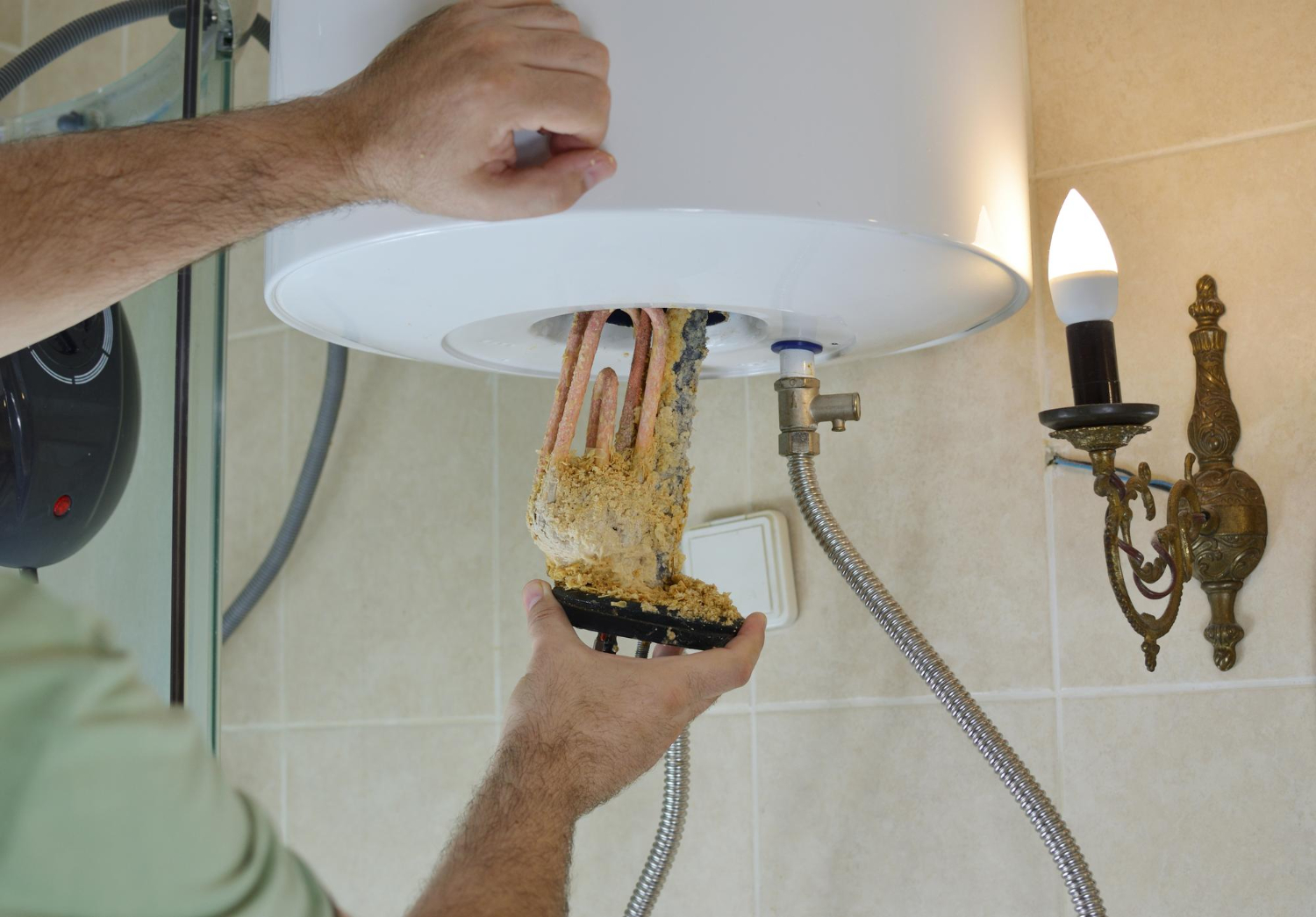
Another major benefit of softened water is improved appliance performance. Appliances that use water – including water heaters, dishwashers, washing machines, and coffee makers – are especially vulnerable to hard water damage. Mineral buildup inside these appliances causes them to work harder than necessary, reducing efficiency and increasing energy consumption. For example, water heaters with heavy scale buildup must use more energy to heat water, often resulting in higher utility bills. By reducing mineral accumulation, a water softener helps appliances run more efficiently and can significantly extend their lifespan.
Stubborn Buildup Around Sink
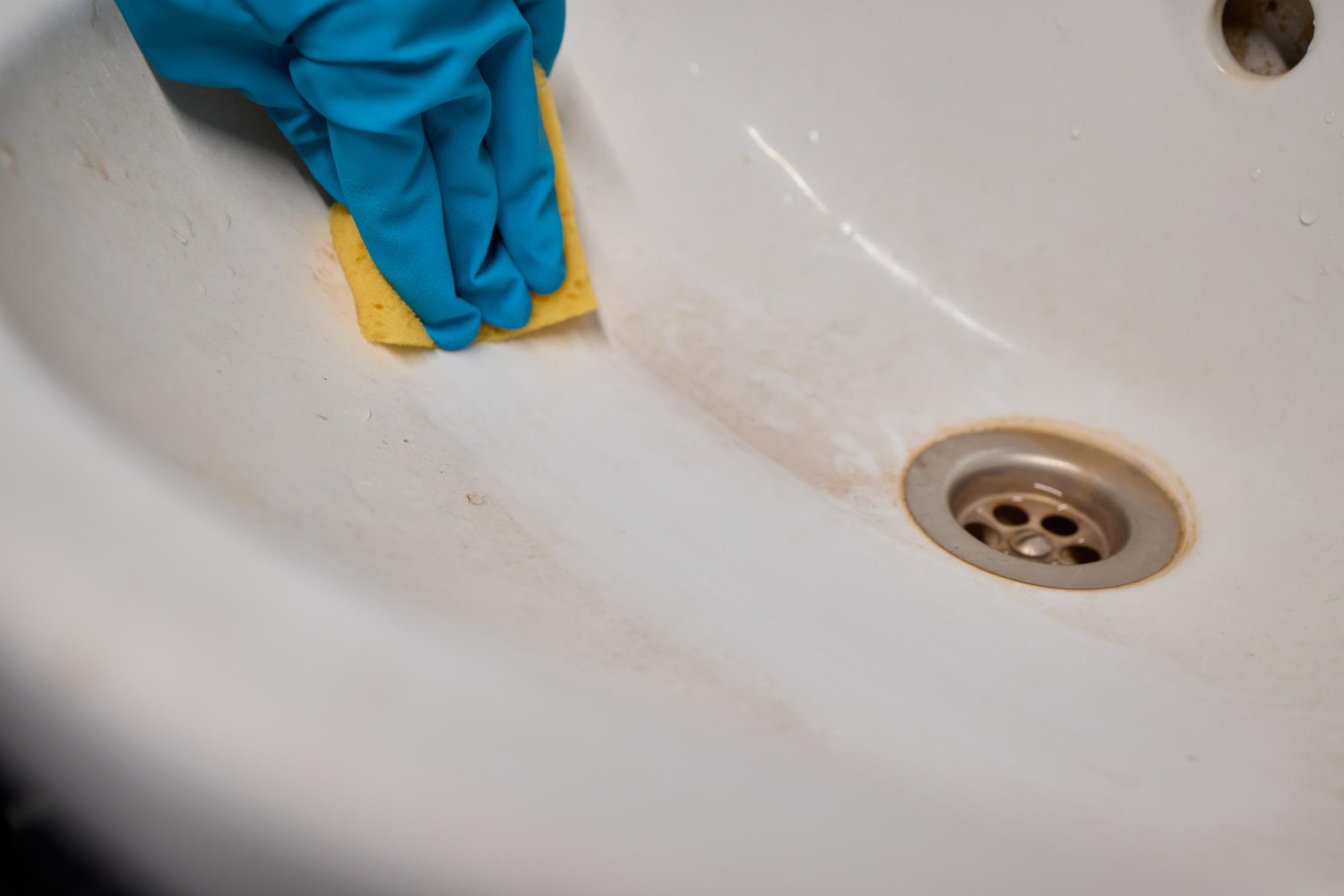
Families also notice immediate improvements when it comes to cleaning. Hard water often leaves white spots on dishes, cloudy glassware, soap scum in showers, and stubborn buildup around faucets and sinks. Soap does not dissolve properly in hard water, meaning homeowners often use more detergent and cleaning products just to achieve average results. Soft water allows soaps and detergents to work better, leaving dishes cleaner, laundry softer, and bathrooms easier to maintain. Many homeowners find that they spend less money on cleaning supplies after switching to softened water.
Fading of Colour after Wash
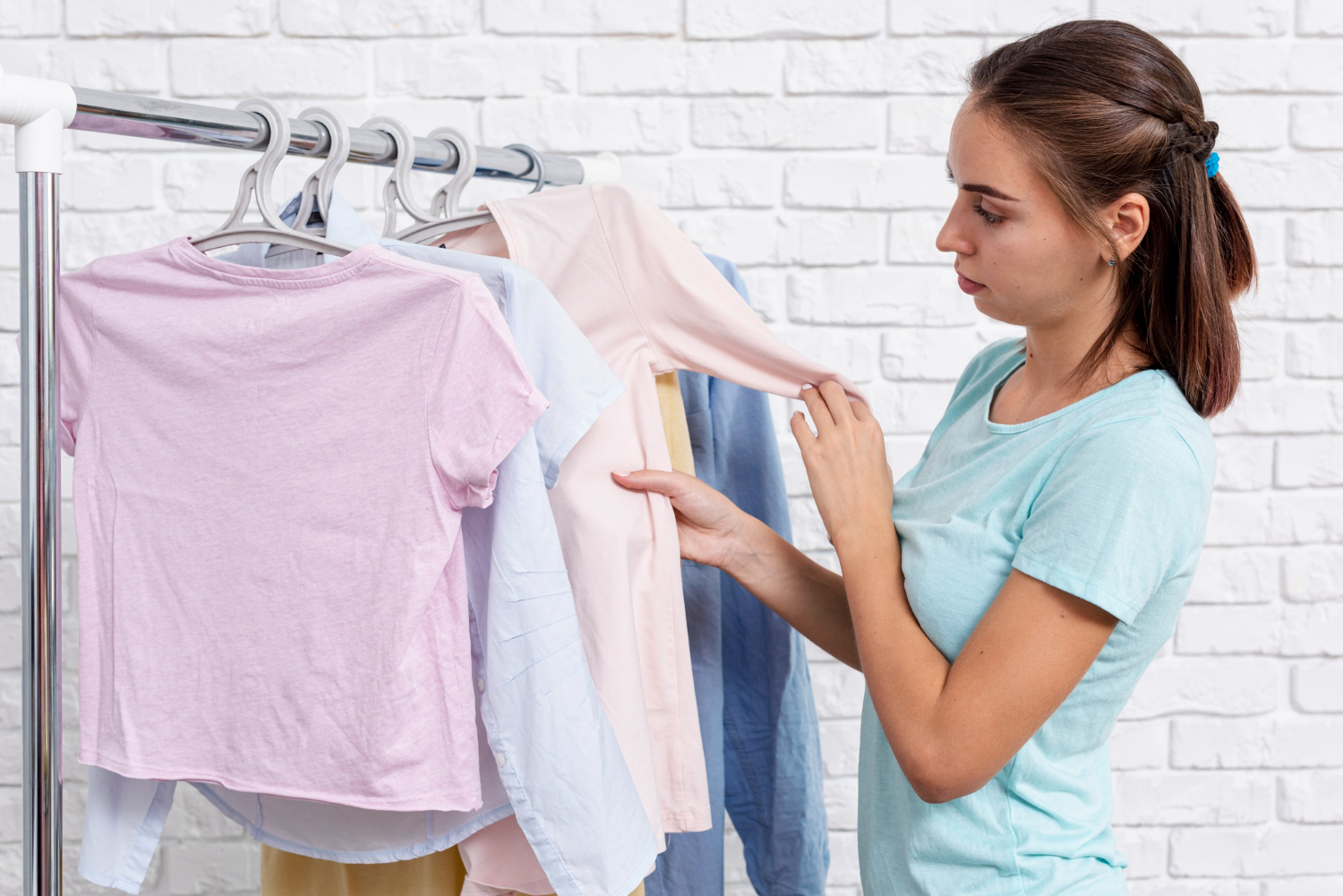
Laundry is another area where a water softener can make a noticeable difference. Hard water minerals become trapped in fabrics, causing clothes to feel rough, look faded, and wear out faster. Whites may appear dingy, and dark colors can lose their brightness more quickly. Soft water helps detergent penetrate fabrics more effectively, allowing clothes to come out cleaner, brighter, and softer after every wash. This means clothing can last longer and maintain its appearance over time.
Hair fall and Skin Irritation

Beyond household convenience, softened water also benefits personal comfort. Hard water can leave behind residue on skin and hair, causing dryness and irritation. Many people notice that their skin feels itchy or tight after bathing, while hair may feel dull or difficult to manage. Soft water allows soap and shampoo to rinse more thoroughly, leaving skin feeling smoother and hair looking healthier. Families with sensitive skin often report an improvement in overall comfort after installing a water softener.
Waste of Energy
One overlooked advantage of soft water is energy savings. Because appliances and plumbing systems remain cleaner and operate more efficiently, homeowners often experience lower utility costs over time. Water heaters, in particular, can benefit substantially from reduced mineral buildup. A more efficient system means less wasted energy and lower monthly bills, making a water softener an investment that often pays for itself in long-term savings.
Finding the Right Water Solution
Choosing the right water treatment solution is important, especially for homeowners dealing with severe hard water problems. Different homes require different systems depending on water usage, family size, and mineral levels. A professional water test can help determine the best system for your specific needs. Working with experienced professionals ensures proper installation and long-term performance, helping homeowners maximize the value of their investment.
If you are tired of dealing with soap scum, water spots, dry skin, or expensive plumbing repairs, installing a water softener system Indianapolis homeowners trust can be one of the smartest upgrades for your property. With cleaner water, better appliance performance, lower maintenance costs, and greater comfort for your family, a water softener offers lasting benefits that improve everyday life.
Endnote
In the long run, hard water problems rarely go away on their own. In fact, they usually become more costly over time as mineral buildup continues to damage plumbing and appliances. Taking action early can save money, improve water quality, and protect one of your biggest investments – your home. A properly installed water softener provides peace of mind, knowing your water is working for you instead of against you.
Also Read: The Importance of Water Quality in and Around Your Home
FAQs on How a Water Softener Protects your Plumbing
1. What are the signs of hard water in a home?
Common signs include soap scum, white stains on fixtures, dry skin, dull hair, and reduced water pressure due to mineral buildup.
2. How does a water softener protect plumbing systems?
A water softener removes minerals like calcium and magnesium that cause scale buildup inside pipes and plumbing fixtures.
3. Can a water softener improve appliance lifespan?
Yes, softened water helps reduce mineral deposits in appliances, allowing them to operate more efficiently and last longer.
4. Does soft water help reduce energy bills?
Soft water improves the efficiency of water-using appliances such as water heaters, which can help lower energy consumption and utility costs.
5. How do I choose the right water softener for my home?
The right system depends on factors such as water hardness level, household size, and daily water usage. A professional water test can help determine the best option.
Author & Expert Review
Written By:  Nidhi Patel | Civil Engineer & Content Writer

| Credentials: B.E. (Mahatma Gandhi Institute of Technical Education and Research Centre), Registered with Gujarat Technological University (GTU). Experience: Civil Engineer with 3+ years of content writing experience, currently writing blogs for Gharpedia, part of SDCPL. Expertise: Specializing in SEO-optimized blogs and long-form articles focused on home improvement, construction, interiors and architect topics. I create well-researched, reader-focused content that balances technical accuracy with clarity, making complex subjects easy to understand. Find her on: LinkedIn |
Verified By Expert: Avni Desai Environmental Engineer, SDCPL | M.E. (Environmental Engineering)
 Avni Desai Environmental Engineer,
 This article has been reviewed for environmental, MEP, and building services accuracy by Avni Desai, an Environmental Engineer at Sthapati Designers & Consultants Pvt. Ltd. (SDCPL). With over 8 years of experience in water supply, wastewater management, infrastructure design, and building services, she brings practical expertise in MEP services, sustainable solutions, design planning, and on-site practices. Her professional services include planning and design of water supply systems, sewage and wastewater treatment systems (STP/WTP), drainage, rainwater harvesting, and other sustainable building services. Her review ensures the content aligns with environmental standards, efficient services planning, and real-world applicability.
Find her on: LinkedIn