






Table of Contents
Quick Summary
- Grasscloth wallpaper is a natural wallcovering made from hand-woven plant fibres on a rice paper backing.
- Common materials include jute, seagrass, sisal, bamboo, hemp, raffia, and arrowroot grass.
- It is valued for its organic texture, warmth, and eco-friendly appeal.
- Grasscloth originated in ancient China and later became popular in Europe for rustic décor.
- Grasscloth wallpapers have both pros and cons for their users.
- Variations are available based on the grasses used and surface treatments like metallic or printed finishes.
- Grasscloth works best in low-traffic spaces such as living rooms, bedrooms, and dining areas.
- It is delicate, expensive, and difficult to repair, requiring professional installation.
- Proper wall preparation and care are essential for longevity. Check the maintenance tips shared here.
Grasscloth Wallpaper is always in demand as décor element. Interior design trends may change, but some elements never lose their charm. Natural Grasscloth wallpaper is one such classic item that has made a graceful comeback into modern homes. What was once known for rustic browns and coarse textures is now available in elegant shades and finishes that bring depth and personality to walls.
With people preferring to live in sustainable spaces, grasscloth wallpapers have found renewed appreciation. Handcrafted from natural fibre, this organic wallcovering offers a unique blend of beauty, rustic décor, and authenticity, making your home décor.
Although delicate and challenging to install, the richness and tactile quality of Grasscloth Wall Coverings make it the preferred choice in both the residential and commercial hospitality sectors. Let’s learn more about grasscloth wallcoverings.
What is Grasscloth Wallpaper?

Courtesy - hearstapps
The term “grasscloth” describes wallcoverings produced from hand-woven natural fibre strands on an unpasted rice paper backing. The organic materials used in making grasscloth wallpapers include jute, seagrass, hemp, bamboo, raffia, and arrowroot grass. They are delicate and challenging to install, making them more expensive than ordinary wall coverings.
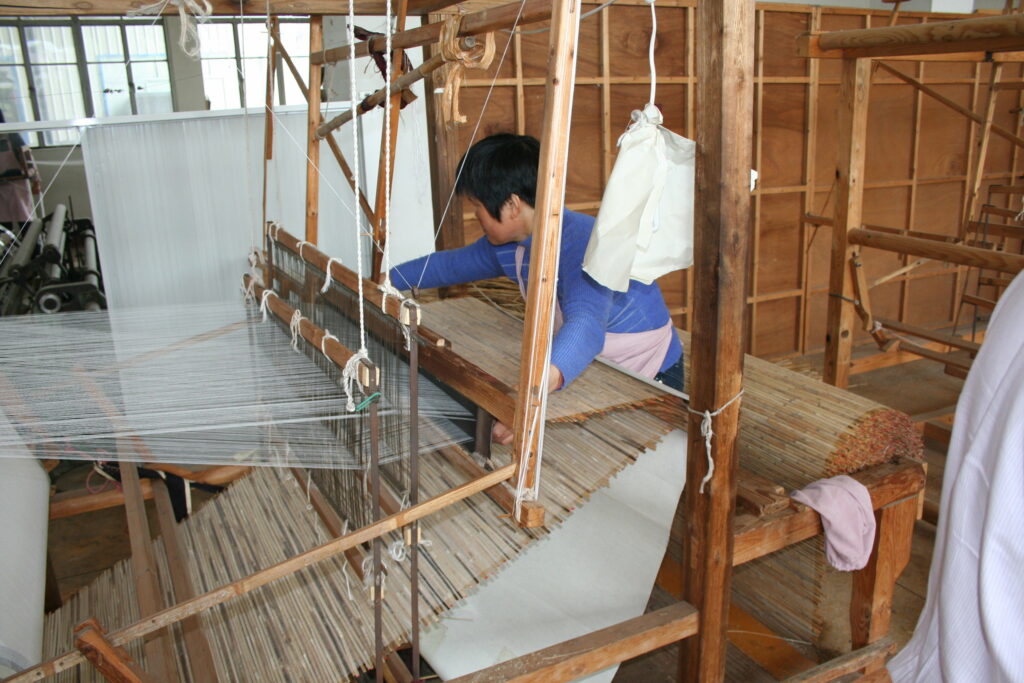
How is Grasscloth Made?
Courtesy - squarespace
Most grasscloths are made in Asia and shipped to different parts of the world. The natural fibres are typically woven with lightweight cotton threads and fastened to a rice paper backing. Generally, grasscloth comes in horizontal or vertical patterns, with the former being the most popular style.
Grasscloth is packaged differently from standard wallpapers. For example, a double roll of grasscloth wallpaper almost always measures 36 inches in width and 24 feet in length, whereas regular wallpaper typically measures 21 inches or 27 inches in width.
Grasscloth Wallpapers: Pros and Cons History of the Grasscloth
Grasscloth wallpapers were developed in ancient China as a cheaper-to-produce alternative to elaborately embroidered silk wall treatments.
They became popular for both insulation and visual texture. Grasscloth wallpapers soon became a symbol of sophistication in ancient China and then in Europe.
Today, grasscloth is an adaptable, durable material used to add warmth and texture to both retro and modern home decor, despite installation challenges. However, like all wallpapers, it comes with both pros and cons. Let’s take a look.
Pros
- Adds rich texture and natural warmth to interiors.
- Creates a high-end, organic, handcrafted appearance.
- Made from eco-friendly, natural fibres.
- Enhances visual depth without bold patterns.
- Works well as an accent or feature wall.
Cons
- Difficult to clean and absorbs stains and moisture.
- Not suitable for kitchens, bathrooms, or humid areas.
- Installation requires skilled professionals.
- More expensive than standard wallpapers.
- Natural variations can cause visible seams.
Types of Grasscloth
Grasscloth wallpapers can be classified into different types:
- Natural grasscloth wallpapers
- Faux grasscloth wallpapers
- Treatment-applied grasscloth wallpapers
1. Natural Grasscloth Wallpaper

Courtesy - hearstapps
As the name suggests, this grasscloth is made from organic fibres, which fill the space with a natural grassy scent. You can easily tell them apart from faux grasscloth by looking at the width. A good majority of natural grasscloth is 36 inches wide, and anything less than that is most likely a faux-pattern product.
2. Faux Grasscloth Wallpaper

Courtesy - shopify.com
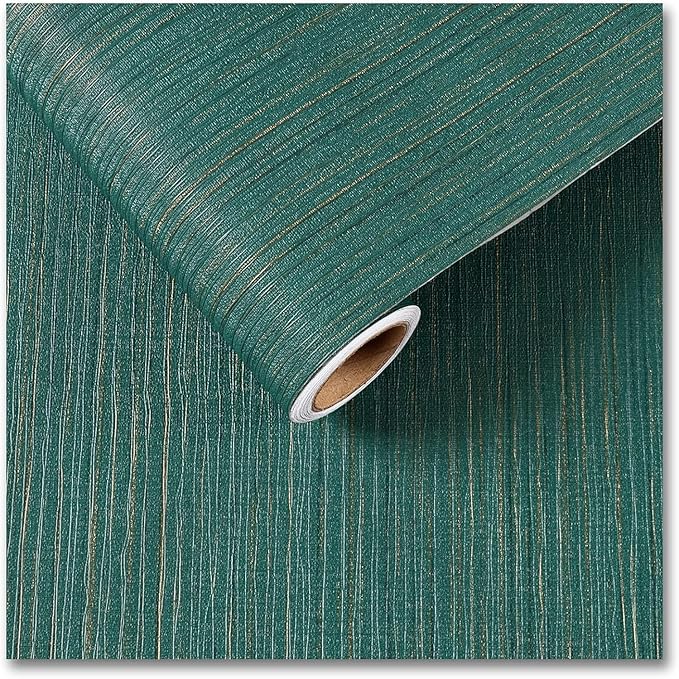
They are made to imitate natural grasscloths, and some come very close to the real thing like green grasscloth wallpaper as natural green on walls. The more closely they resemble organic grasscloths in their looks and texture, the more expensive faux grasscloth wallpapers tend to be.
This type of grasscloth is more durable and easier to maintain than its natural counterpart in home decor products because it is a vinyl wall covering. They are easy to install, remove, and clean.
Grasses Used in Making Grasscloth Wallpaper
1. Sisal Grasscloth Wallpaper
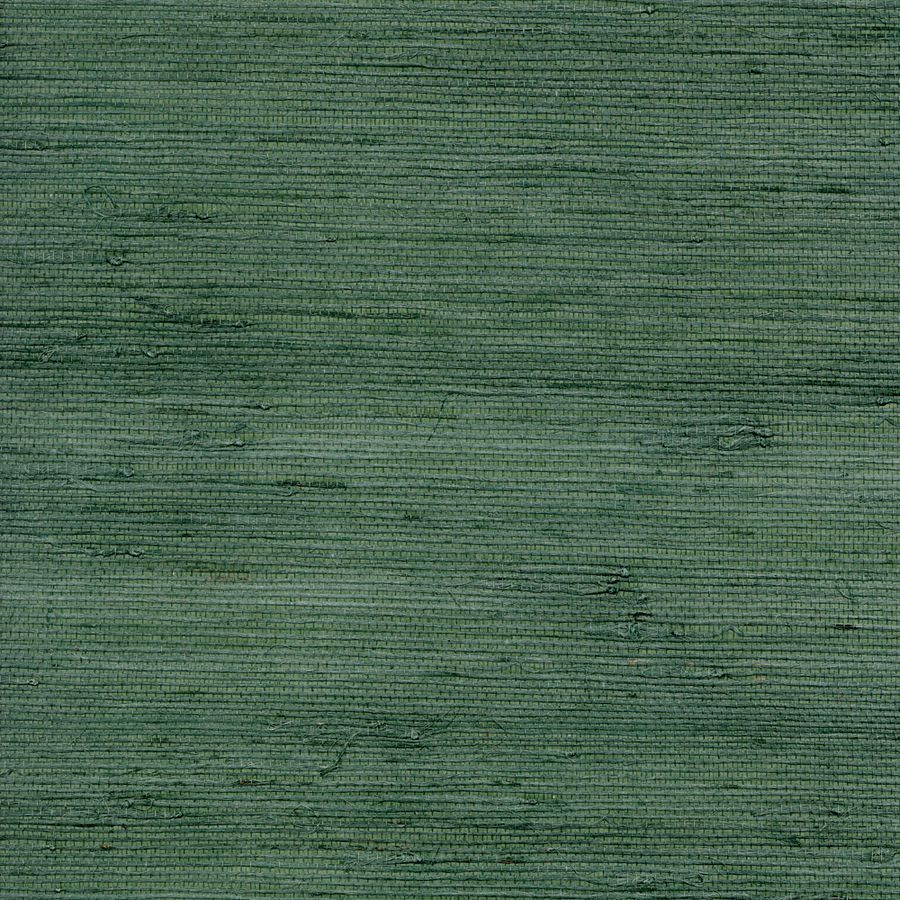
Courtesy - pinimg
Sisal wallpaper is made from the fibres of Mexican agave plants that are closely woven together and dried in the sun. It was originally used by the Aztecs in their textiles and is popular for its durability and simplicity.
2. Raw Jute Grasscloth Wallpaper
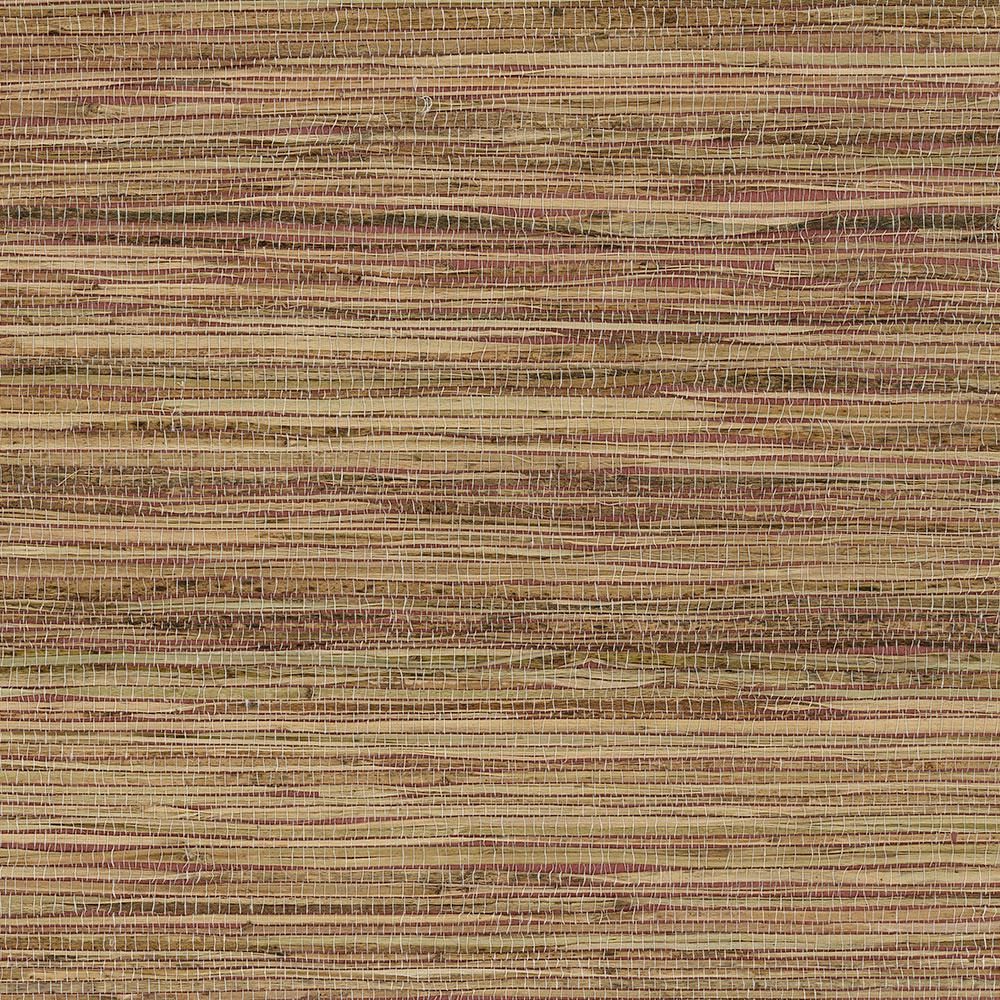
Courtesy - pinimg
Like sisal, raw jute grasscloth is also closely woven but is more textured thanks to the thicker fibres. This grasscloth also uses a mix of different coloured fibres to blend the overall colour of the product.
3. Seagrass Grasscloth Wallpaper

Courtesy -tm- interiors
Seagrass wallpaper has a rich texture and natural character. Its bands are thick and often feature visible loose ends and irregularities, which add to its aesthetic appeal.
4. Arrowroot Grasscloth
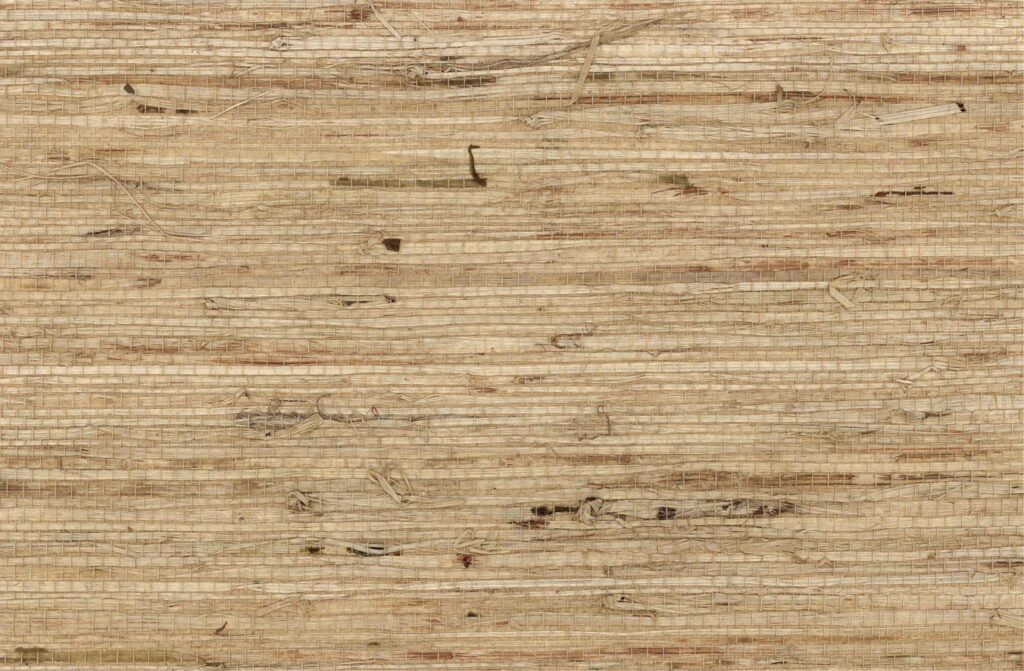
Courtesy - shopify
Arrowroot grasscloth has natural, dark-toned flecks woven with untrimmed strips of fibre. In addition, it has choppy horizontal details that give the wallpaper a subtle, light tropical texture.
5. Bamboo Grasscloth Wallpaper

Courtesy - retrorenovation
Bamboo grasscloth has thick and defined fibres that create a contrasting panelled effect. It also provides rich natural green and ochre tones, making it an ideal alternative to wood panelling.
Treatments Applied to Grasscloth Wallpapers
1. Metallic Grasscloth Wallpaper

Courtesy - teahub
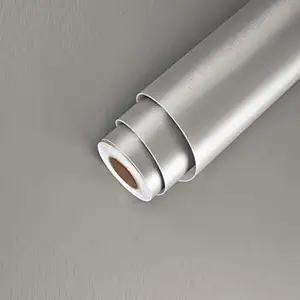
Apart from the texture, the grasscloth with a metallic finish adds shimmer to your walls. The metallic glaze contrasts with the natural surface of the grasscloth and makes a room look more exciting. Metallic grasscloths can be fully or lightly coated and are available in finishes such as gold grasscloth wallpaper, silver, copper, bronze, and grey grasscloth wallpaper. These effects can be achieved using sisal, jute, and seagrass grasscloths.
2. Printed Grasscloth Wallpaper

Courtesy - bigcommerce
This treatment will give you the printed wallpaper you want with the added benefit of textured, hand-woven detailing. You can get almost any patterned grasscloth wallpaper with floral, leafy, striped, or damask designs.
What is the best place to use Grasscloth?
Courtesy - decoist
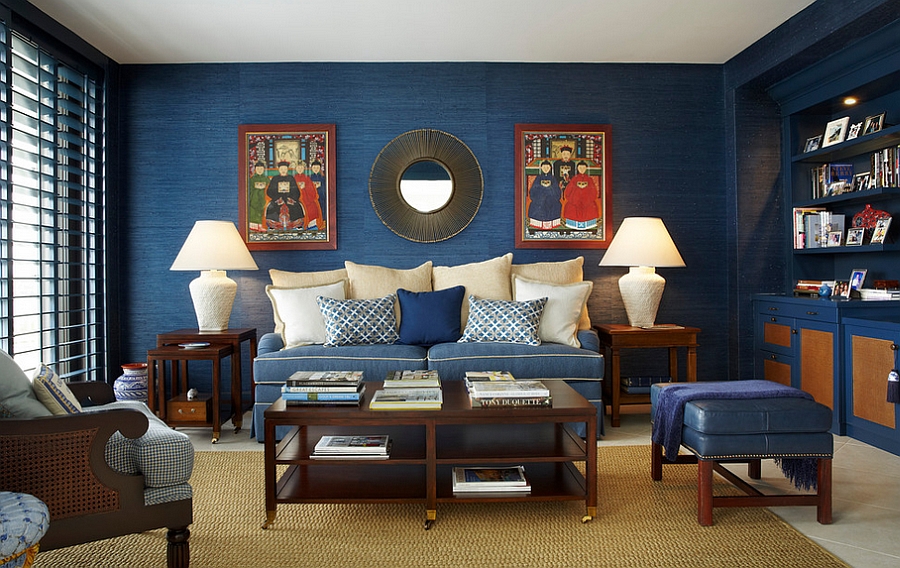
Grasscloth wallpapers are primarily installed in dining rooms, living rooms, master bedrooms, libraries, and powder rooms that are not frequently used. Some people even install grasscloths in their bathrooms.
Things to Consider before Buying Grasscloth Wallpaper
1. Don’t Expect Consistency
Unlike other mass-produced wallpapers, grasscloth wallpapers are handmade and differ from roll to roll. Even if they are made from the same materials grown in the same plot, there will be differences in colour and texture. Regular wallpapers are machine-produced, so their colours and patterns remain consistent. This natural variation is a defining quality of premium grasscloth wallpapers.
2. Take Care of the Backing
Pre-pasted grasscloth wallpaper is not available on the market. Instead, you must manually apply speciality wallpaper glue to the walls to stick your grasscloth. Methylcellulose is suggested for wallpapers with TNT backing.
3. Remember It Expands When Wet
Grasscloth tends to expand and develop air bubbles when exposed to moisture from glue and walls. It is advisable to soak the wallpaper in water before mounting it on the walls.
4. Can Not Be Used in High-Traffic Areas
Grasscloth wallpaper is light and delicate by nature. It is susceptible to damage, especially if you constantly bump into it, carelessly move furniture, have children or pets, etc. Cats, particularly, may scratch the surface.
5. Expensive
Grasscloth is the ultimate luxury wallcovering, as it is one of the most expensive types of wallpaper. The high cost is due to the labour-intensive and time-consuming hand-weaving process carried out by skilled artisans.
6. Not Suitable for Rooms with Direct Sunlight
Grasscloth wallpaper will fade if exposed to direct sunlight for extended periods. So, you should avoid hanging your expensive grasscloth in rooms that receive strong, continuous sunlight.
7. Visible Seams
Since no two rolls of grasscloth are alike, seams will be noticeable after installation. Some people appreciate this natural character, while others may find it distracting. If seams are a concern, faux grasscloth wallpaper may be a better option for you.
8. Natural Scent Fades Gradually
Grasscloth gives off a lovely and subtle natural grassy scent that fills the room. The scent’s intensity gradually decreases, but it will continue to linger as long as the grasscloth wallpaper remains in place.
9. Walls may Need Priming
Priming the walls before installation ensures a smooth surface and prevents imperfections from being amplified by the grasscloth texture. Drywall also requires priming to make installation and removal easier. Priming helps prevent the formation of air bubbles while the wallpaper is drying and setting, and extends the wallpaper’s lifespan.
10. Professional Installation Produces the Best Results
We know that this material is delicate and expensive, and hence installing it requires skills, especially around the corners. Mistakes are difficult to fix once the wallpaper is up. Hence, hiring wallpaper installation professionals or wallcovering companies experienced in mounting grasscloth is the best idea.
11. Beware of Condensation in Bathrooms
Grasscloth is susceptible to air bubbles caused by condensation. So, if you are planning to use it in wet areas, like bathrooms, make sure there is proper ventilation with an exhaust fan. Install it high enough to prevent splashes from water, soap, toothpaste or other liquids.
12. Not Easy to Repair
Since every roll of grasscloth is unique, it is extremely difficult to find a matching replacement for repairs. In most cases, you may have to replace the entire section of the damaged grasscloth wallpaper to maintain visual consistency.
13. Careful Cleaning
You can’t clean the grasscloth like other wallpapers. You can gently wipe or vacuum this wall covering. Avoid abrasive methods, and to be on the safer side, experiment with cleaning techniques on leftover wallpaper pieces first.
14. Maintenance Tips for Grasscloth Wallpapers
Grasscloth wallpapers are not very difficult to maintain. With proper care, their elegance and freshness can stay intact. Here are a few suggestions:
- Dust regularly using a dry microfiber cloth or soft brush.
- Use a vacuum with a brush attachment for gentle cleaning.
- Avoid water, liquid cleaners, and chemical sprays to protect colours.
- Blot stains immediately with a dry, absorbent cloth.
- Keep away from moisture-prone and high-humidity areas.
- Avoid contact with greasy or oily hands as much as possible.
- Maintain good indoor ventilation to reduce humidity.
- Prevent friction from furniture or frequent contact with walls. Avoid using grasscloth wallpapers in high-traffic areas of your home.
Conclusion
Finally, we suggest that you buy grasscloth wallpaper only if you are prepared to deal with the difficulties and costs associated with installation and maintenance. Understand that grasscloth is expensive, delicate, and doesn’t always have an even look. Although some people prefer the inconsistency of this wallcovering, be sure you are willing to deal with the visible colour variations and seams. Always do your research before undertaking a home decor project so that you don’t have any regrets later.
Also Read: Tips for Choosing Wallpapers for Home
FAQs on Buying Grasscloth Wallpaper
1. What is Grasscloth Wallpaper?
Grasscloth wallpaper is a natural wall covering made from hand-woven plant fibres on a paper backing.
2. Is Grasscloth Wallpaper Durable?
Natural grasscloth is delicate, while faux grasscloth is more durable and easier to maintain.
3. Where Should Grasscloth Wallpaper be Used?
It is best suited for low-traffic areas like living rooms, bedrooms, libraries, and dining spaces.
4. Can Grasscloth Wallpaper be Cleaned?
Cleaning should be gentle, using light vacuuming or soft wiping; it cannot be scrubbed.
5. Is Grasscloth Wallpaper Expensive?
Yes, it is considered a luxury wallcovering due to its handmade process and natural materials.
Author & Expert Review
Written By: Andrea Noronha | Guest Author
| Andrea Noronha – Andrea Noronha is a content writer and editor with over 4 years of experience. Although she comes from a finance background, Andrea is passionate about blogging about interior design. Her other interests include travelling, baking, and digital marketing. |
Verified By Expert:  Farhan Shaikh – Senior Manager – Architect, SDCPL | Associate Member – IIA
 Farhan Shaikh – Senior Manager – Architect, SDCPL | Associate Member – IIA
This article has been reviewed for architectural and interior design accuracy by Farhan Shaikh, Senior Manager – Architect at Sthapati Designers & Consultants Pvt. Ltd. As the lead for all architectural and interior projects at SDCPL and an Associate Member of the Indian Institute of Architects (IIA), he brings hands-on experience in architectural planning, interior design, project coordination, and sustainable strategies. His review ensures the content reflects practical design considerations, industry best practices, and real-world applicability across both architecture and interior spaces.
Find him on : Linkedin