





Table of Contents
Quick Summary
- Book lice are tiny insects caused by damp conditions and poor ventilation.
- They are harmless to humans but can damage books and indicate moisture problems.
- Improving airflow, reducing humidity, and using natural repellents like camphor effectively remove them.
- Consistent ventilation and proper storage prevent their return.
Book lice often go unnoticed until they start appearing repeatedly in certain areas of the home. In one case, they were first spotted while dusting a bookshelf. What seemed like fine dust turned out to be tiny insects moving along the edges of books and near switchboards. Over the next few days, they began appearing in corners of the room, raising concern.
Situations like this are more common than most people realise. Book lice are not dangerous, but they are a clear sign that the indoor environment needs attention. Understanding why they appear and how to deal with them properly can help restore both comfort and confidence at home.
What Are Book Lice?
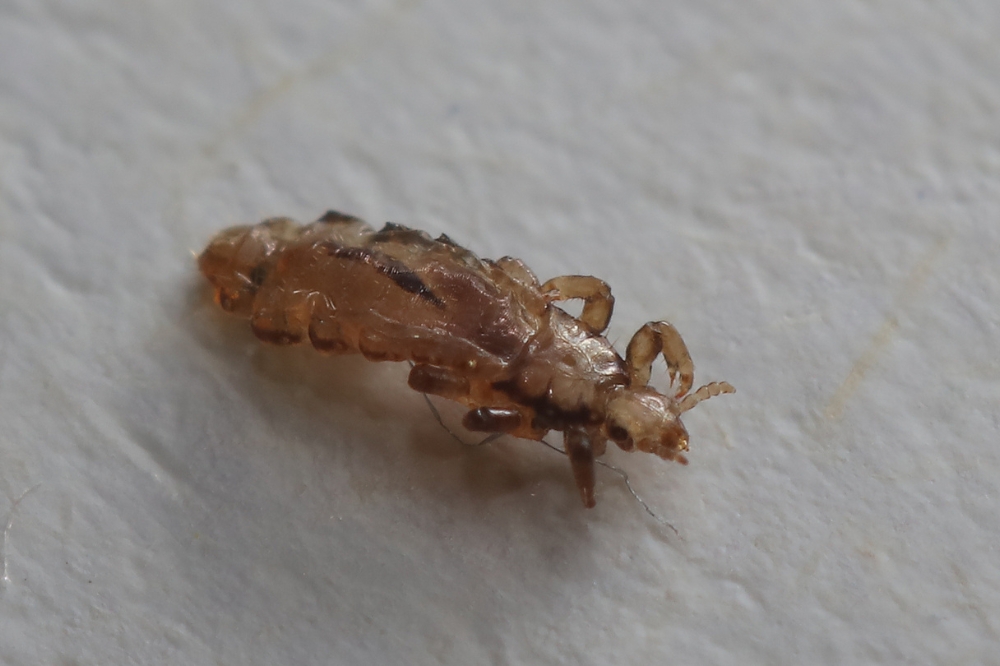
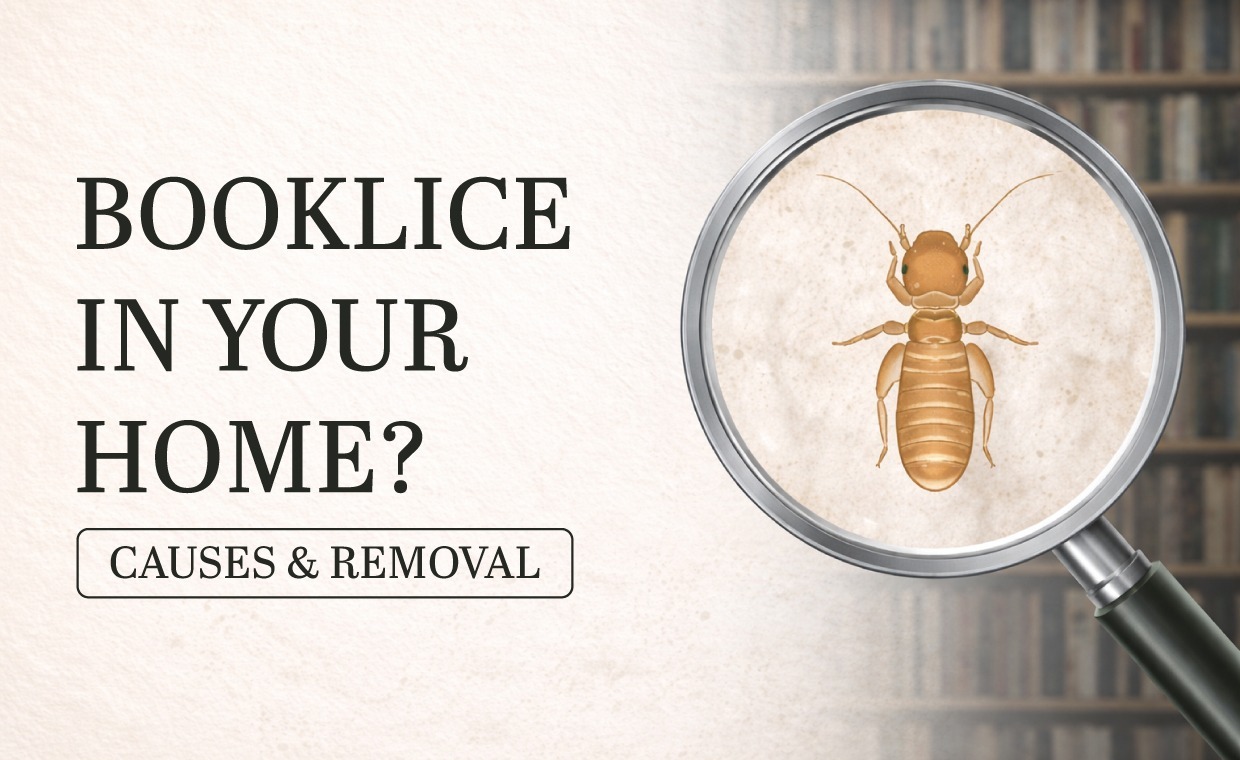
Book lice, scientifically known as Psocids(Psocoptera) are tiny insects that live in damp and humid environments. Despite their name, they are not true lice and have no connection to humans, hair, or skin. They feed on mould, fungi, and the starch-based glue found in books, paper, and cardboard.
They commonly appear indoors when moisture levels are high and ventilation is poor.
What Do Book Lice Look Like?
Book lice are very small, usually around one millimetre in size. They are pale white or light brown and move quickly across surfaces. Due to their size, they are often mistaken for dust mites or tiny ants.
Their sudden appearance indoors is usually the first noticeable sign of a moisture problem.
Where Are Book Lice Found in the Home?
Book lice are most commonly found in areas with limited airflow and higher humidity. These include bookshelves, cupboards, storage boxes, wall corners, areas around switchboards, and spaces behind furniture placed close to walls.
In the observed case, book lice appeared mainly in closed rooms where windows were rarely opened.
What Causes Book Lice in the Home?
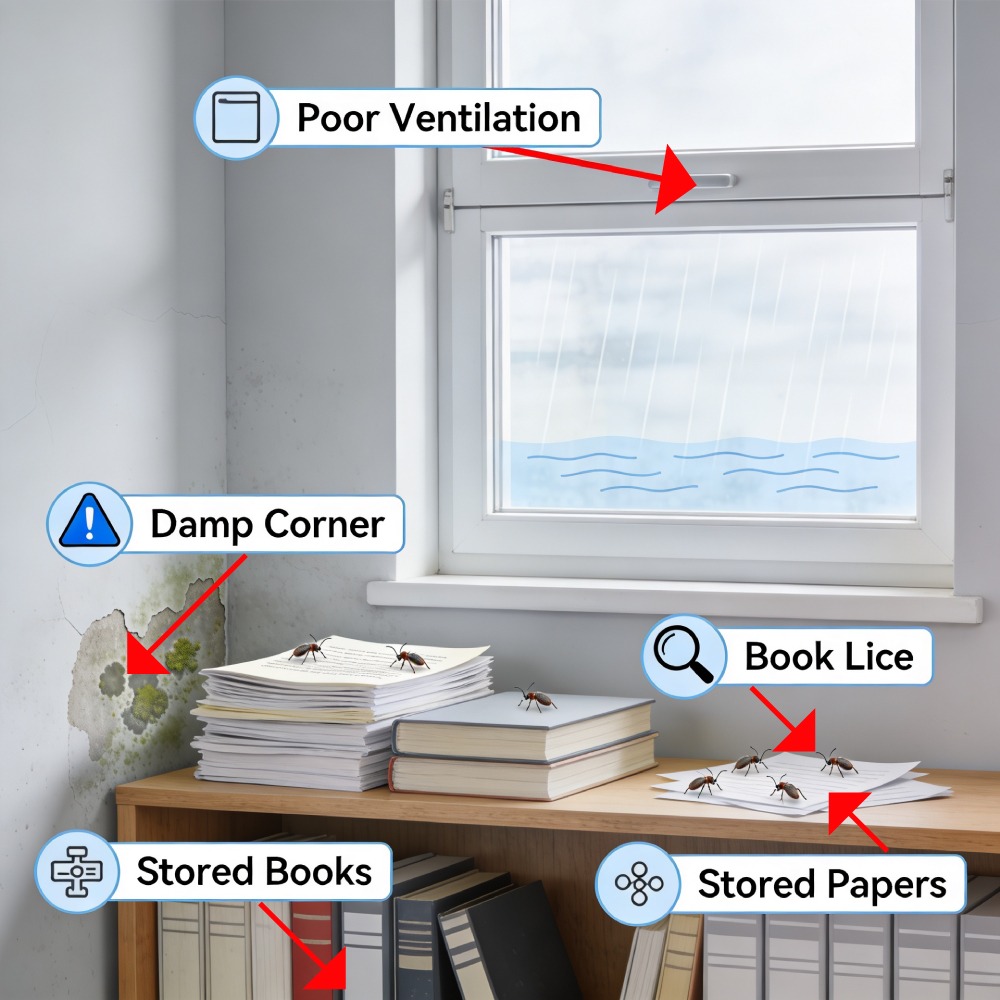
The primary cause of book lice is excess moisture. They thrive when indoor humidity remains high for long periods. Common causes include poor ventilation, damp weather, stored books or papers, cardboard boxes, and hidden mould growth.
Seasonal humidity and closed living spaces increase the risk of book lice appearing.
Are Book Lice Harmful to Humans?
Book lice do not bite and do not spread diseases. They do not live on humans or pets. However, they can damage books and paper materials if left untreated. Their presence also indicates a damp environment, which may lead to mould-related issues if ignored.
Step by Step Guide to Remove Book Lice
A structured approach works best when dealing with book lice. The following steps are simple and effective when followed consistently:
Step 01. Remove affected books and dry them in sunlight for 2 to 3 hours

Sunlight helps eliminate moisture and reduces mould, which is the main food source.
Step 02. Clean shelves with a vinegar and water solution
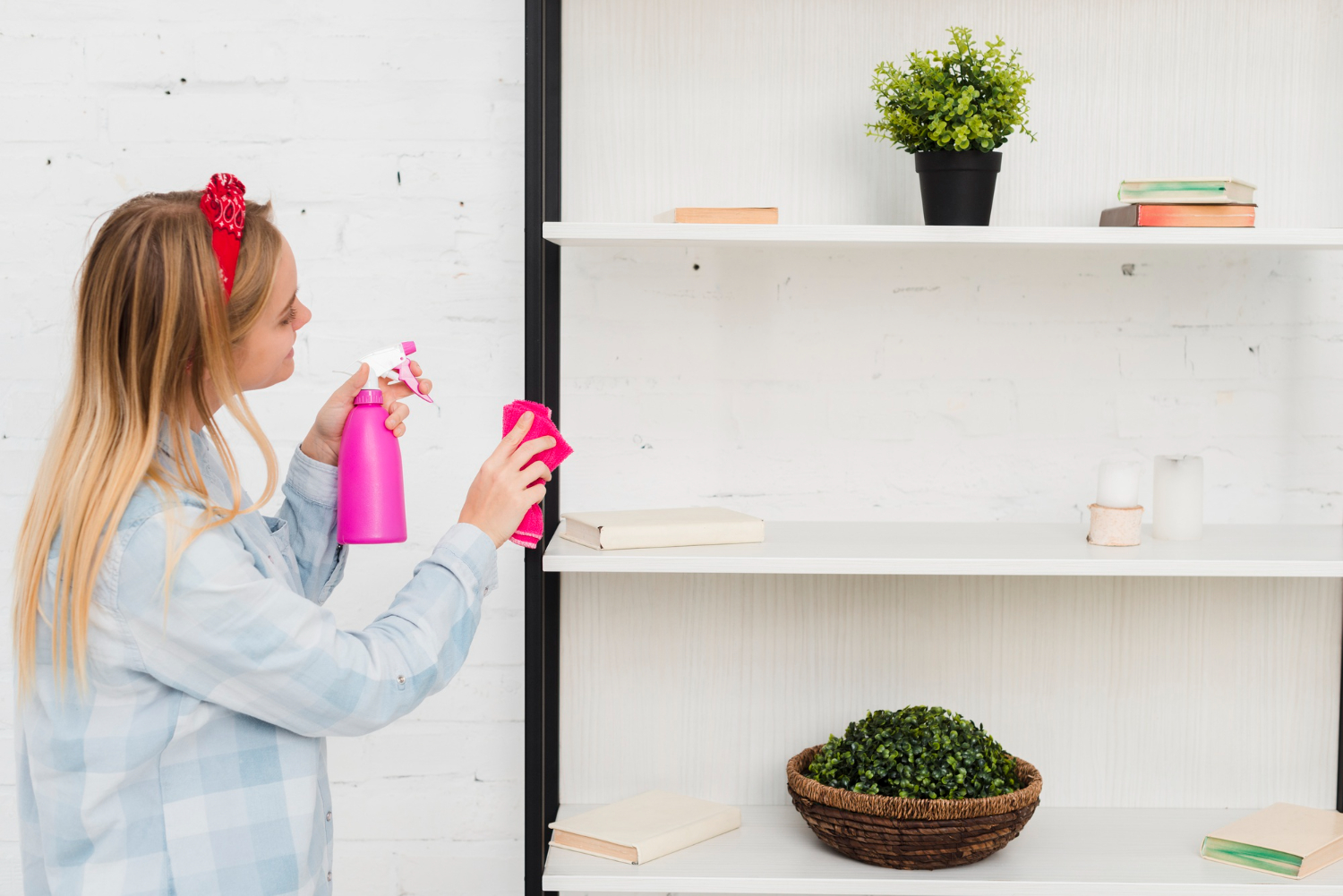
This helps remove mould traces and discourages further growth.
Step 03. Place camphor or silica gel in corners
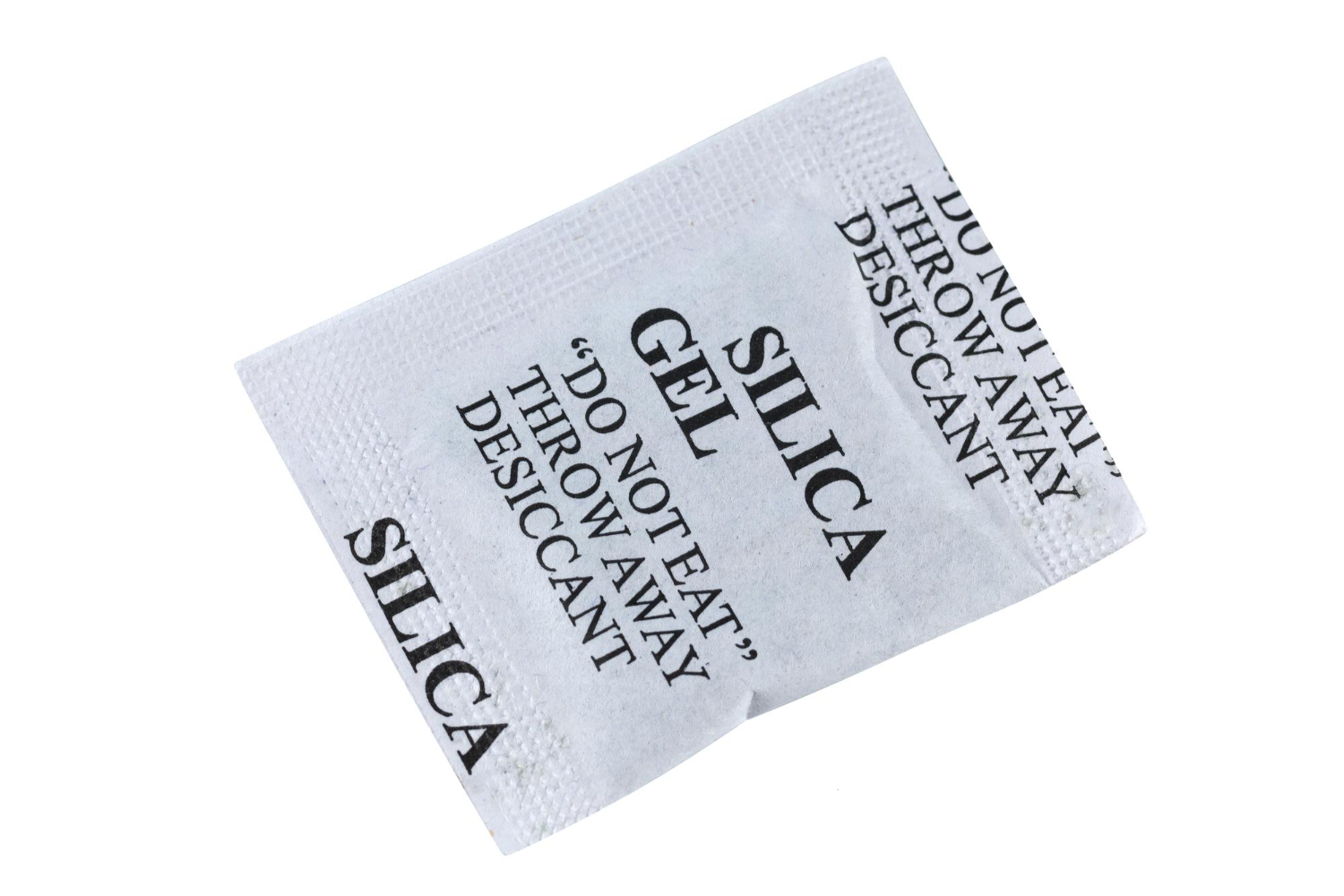
Camphor acts as a natural repellent, while silica gel absorbs excess moisture.
Step 04. Open windows daily for 30 to 60 minutes
Use A Dehumidifier
Fresh air circulation reduces humidity and prevents recurrence.
Step 05. Use a dehumidifier or moisture absorber
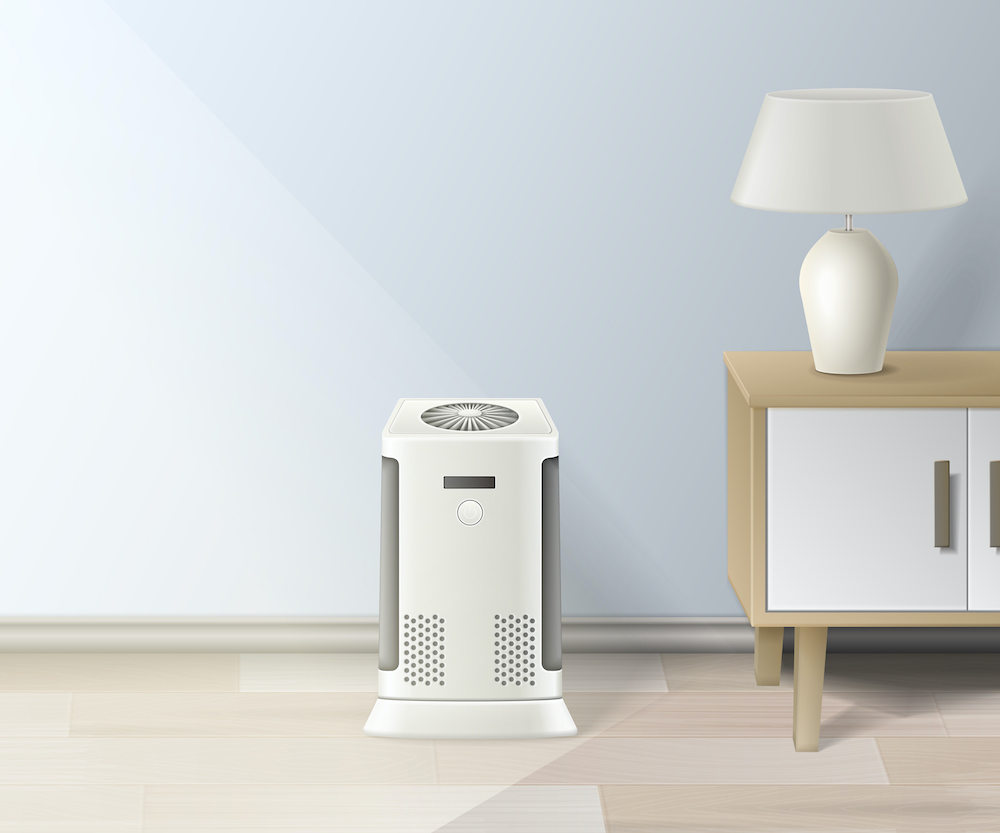
This is especially useful in humid climates or closed rooms.
Step 06. Check walls for hidden damp patches
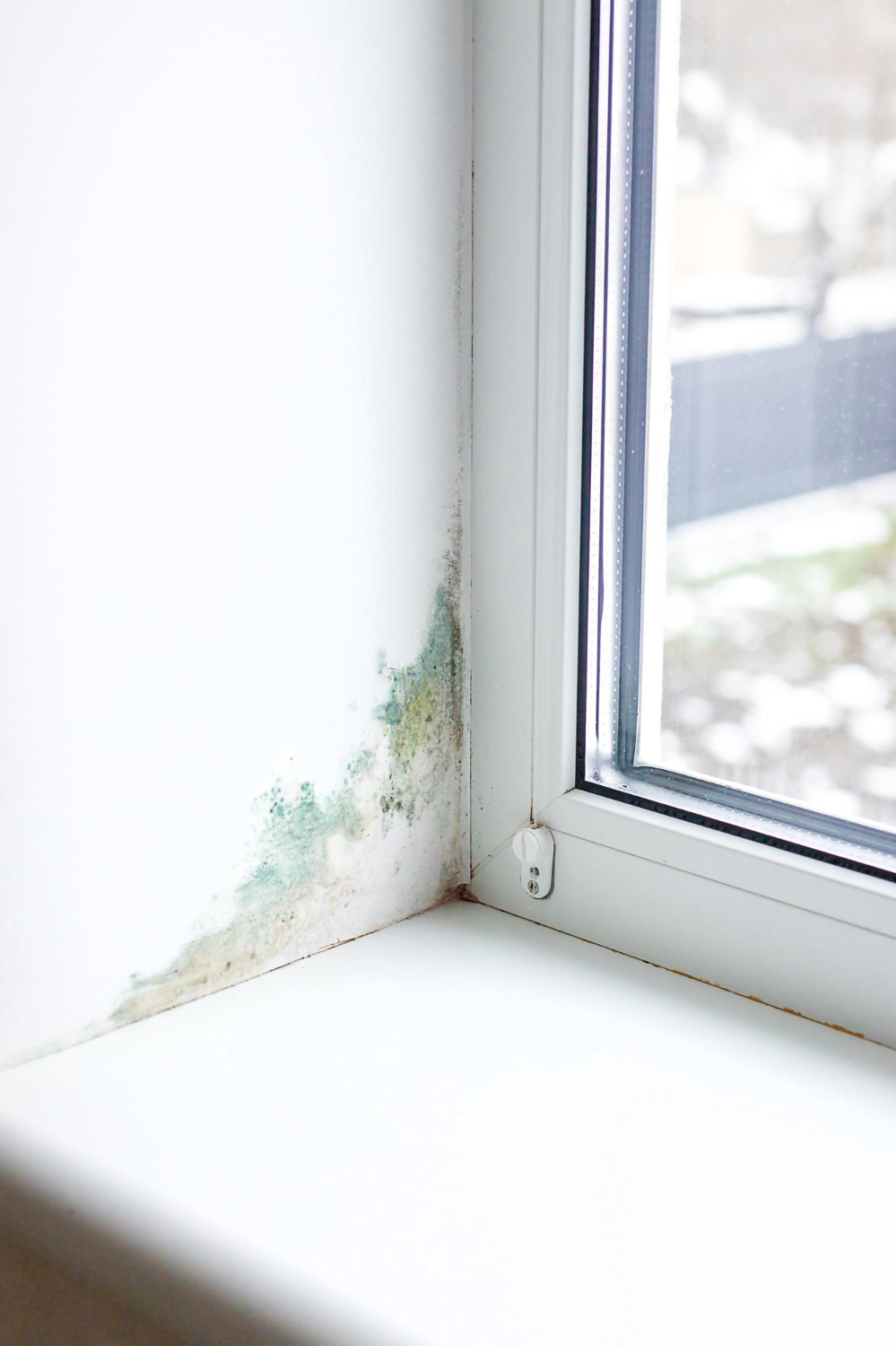
Addressing the root cause ensures long-term results.
Book Lice Prevention Checklist
Preventing book lice is easier than removing them. A few consistent habits can keep the home free from future problems:
- Open windows daily
- Avoid storing books against damp walls
- Use moisture absorbers in cupboards and storage areas
- Sun dry old books once a month
- Inspect cupboards every two weeks
- Repair water seepage immediately
These small actions make a significant difference over time.
What Are the Signs of a Book Lice Problem?
Clear signs include small insects crawling on books or walls, a musty smell near shelves, repeated sightings even after cleaning, and visible condensation or damp patches. In this case, frequent sightings near switchboards suggested trapped moisture behind walls.
What Immediate Actions Help Control Book Lice?
Surface cleaning alone does not solve the problem. Effective action begins by reducing moisture. Affected books should be temporarily removed, shelves cleaned thoroughly, clutter reduced, and ventilation improved.
Once humidity was addressed, the number of book lice reduced significantly.
What Home Remedies Are Effective for Book Lice?
Simple, non-chemical remedies are usually sufficient. One effective method involved camphor and improved airflow.
As shared by Vaidehi Desai, Owner & Operations Lead – Gharpedia:
“Placing small pieces of camphor near switchboards and in the corners where book lice kept appearing made a noticeable difference. Once ventilation was improved by opening the windows regularly and allowing fresh air to circulate, the book lice gradually stopped coming back. Proper airflow played a crucial role in resolving the problem.”
Camphor works as a natural repellent, while ventilation removes the damp conditions book lice need to survive.
Additional remedies include opening windows daily, using dehumidifiers, cleaning surfaces with mild vinegar solutions, and storing books in dry, breathable areas.
If you would like a quick reference on effective Home Remedies for Pest Control in Monsoon, take a look at the link below for simple and practical solutions to keep your home pest-free
Are You Using the RIGHT Methods to KEEP Insects Away This Monsoon?
Is Professional Pest Control Required for Book Lice?
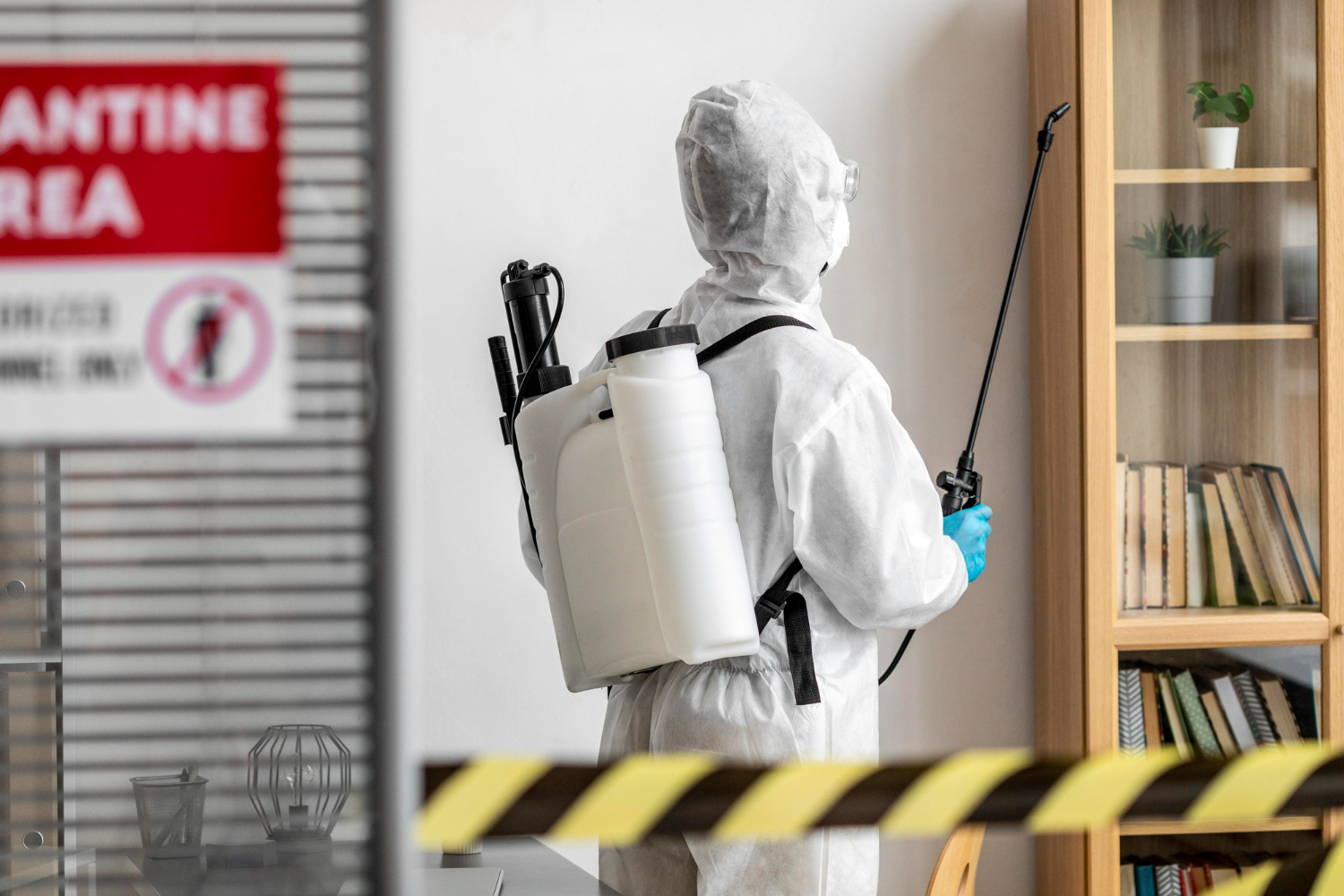
Professional treatment is rarely necessary. Book lice usually disappear once humidity levels are reduced. Chemical sprays may provide temporary relief but do not address the root cause. Professional help may only be needed if severe dampness or mould persists.
Also Read:
How Pest Control Companies Decide Which Treatment to Use
Common Myths About Book Lice
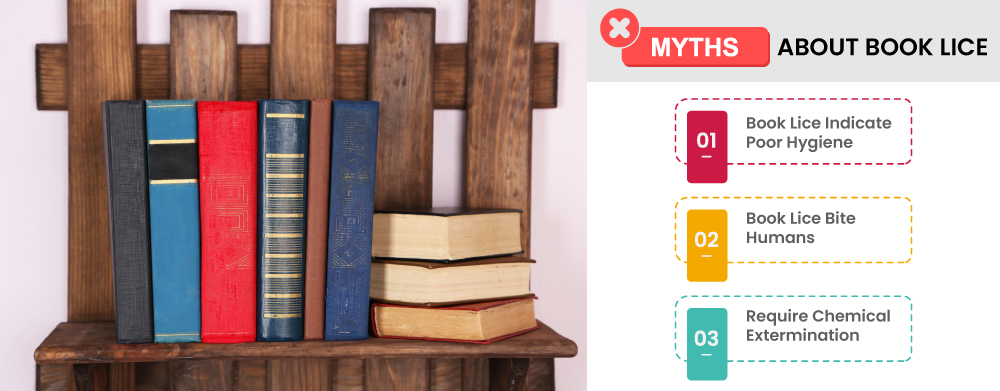
A common myth is that book lice indicate poor hygiene. This is incorrect. Clean homes can develop book lice if moisture is present. Another myth is that book lice bite humans or require chemical extermination, which is also false.
Final Thoughts
Book lice are a sign of excess moisture rather than a serious infestation. With proper ventilation, reduced humidity, and simple remedies such as camphor, they can be removed effectively. Long-term prevention depends on keeping the home dry and well ventilated. Simple home remedies like improving ventilation, reducing indoor humidity, cleaning damp corners, and using natural pest-control methods can effectively help prevent booklice infestations; you can also explore these practical home remedies for pest control for long-term protection
Frequently Asked Questions – Book Lice in Home
01. What Causes Book Lice In Homes?
High humidity, poor ventilation, and damp materials cause book lice to appear.
02. Are Book Lice Dangerous To Health?
No, they are harmless to humans and pets.
03. How Do You Get Rid Of Book Lice Naturally?
Reducing humidity, improving ventilation, and using camphor are effective natural methods.
04. Do Book Lice Go Away On Their Own?
Yes, once moisture levels are controlled, they usually disappear.
05. How Long Does It Take To Remove Book Lice Completely?
Most cases resolve within a few weeks after improving airflow and dryness.
Author & Expert Review
Written By:  Gaurav Mishra | Civil Engineer & Content Writer

| Credentials: B.E. (Mahavir Swami College, Surat), Registered with Bhagwan Mahavir University (BMU). Experience: Civil Engineer with 5+ years of content writing experience, currently writing impactful articles for Gharpedia, part of SDCPL. Expertise: Specializes in writing well-researched content on residential construction, construction materials, design planning, on-site practices, and safety, blending technical accuracy with everyday clarity. Find him on: LinkedIn |
Verified By Expert: Farhan Shaikh – Senior Manager – Architect, SDCPL | Associate Member – IIA

This article has been reviewed for architectural and interior design accuracy by Farhan Shaikh, Senior Manager – Architect at Sthapati Designers & Consultants Pvt. Ltd. As the lead for all architectural and interior projects at SDCPL and an Associate Member of the Indian Institute of Architects (IIA), he brings hands-on experience in architectural planning, interior design, project coordination, and sustainable strategies. His review ensures the content reflects practical design considerations, industry best practices, and real-world applicability across both architecture and interior spaces.
Find him on : Linkedin