





Table of Contents
Quick Summary
- Good sleep depends on both bedroom comfort and healthy daily habits.
- A calming bedroom atmosphere improves relaxation and sleep quality.
- Soft lighting, minimal furniture, and clutter-free spaces create a peaceful environment.
- Comfortable beds, supportive mattresses, and quality bedding improve body relaxation.
- Storage beds help maximise space and reduce visual clutter in compact bedrooms.
- Softer colours and warm textures make bedrooms feel cozier and more inviting.
- Smart furniture arrangements improve movement and functionality in small rooms.
- Proper pillows and seasonal bedding support uninterrupted sleep.
- Reducing screen time before bed helps the mind relax naturally.
- Better sleep leads to improved energy, focus, mood, and overall lifestyle.
There are days when people wake up after eight hours of sleep and still feel tired. Usually, the problem is not only the number of hours. It is the way the body rested during those hours. An uncomfortable bed, a crowded room, poor habits before sleeping, or even small distractions during the night can slowly affect sleep quality without becoming obvious immediately.
A lot of people keep adjusting to bad sleep for years. They assume waking up tired is normal because work is busy or routines are stressful. But often, the bedroom itself is part of the reason.
The place where someone sleeps affect much more than nighttime comfort. It affects energy the next day, focus during work, mood around family, and even how mentally relaxed a person feels overall. Good sleep usually comes from smaller improvements combined together instead of one expensive change.
The Bedroom Environment Affects Rest More Than People Think
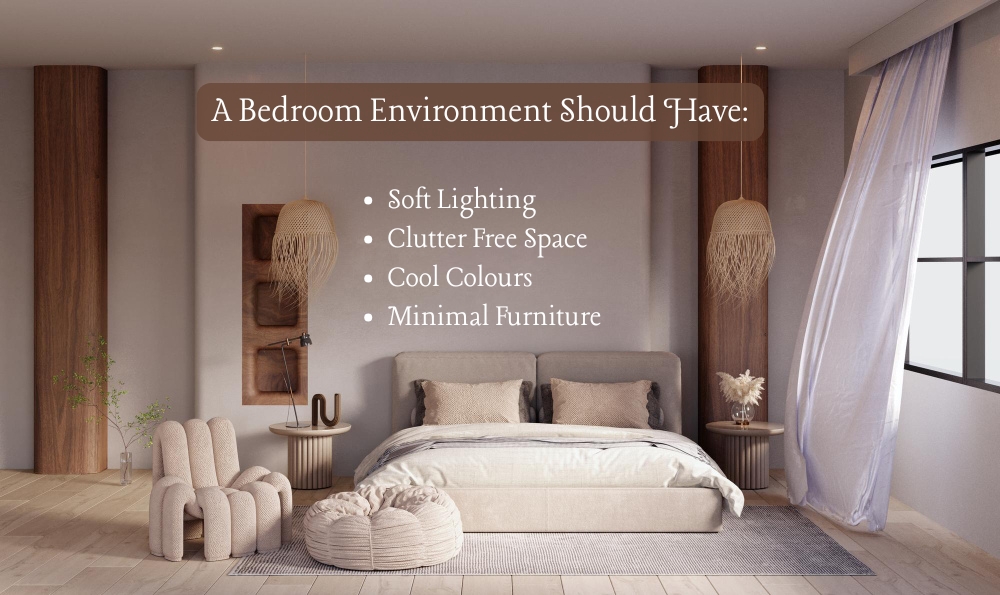
Some rooms naturally feel calming the moment you enter them. Others somehow feel mentally exhausting even when they are clean. That difference often comes from the overall atmosphere.
Bright harsh lighting, too much clutter, loud colours, or constant distractions make it harder for the mind to relax properly before sleeping. Even when the body feels tired, the brain may still stay overstimulated. Bedrooms work better when they feel quieter visually.
Too much furniture packed into one room can make the space feel heavy. The same happens when clothes remain piled on chairs or random items start collecting everywhere over time.
A cleaner room usually feels more peaceful immediately. Lighting changes the mood heavily too. Bright white lights at night rarely feel comfortable before sleeping. Softer warm lighting creates a calmer atmosphere without much effort.
Noise also affects rest more than people realise. Constant television sounds, notifications, traffic noise, or even background distractions can interrupt proper sleep without fully waking someone up.
The bedroom should feel separated from daily stress instead of carrying all of it into bedtime.
Bed Comfort Changes Everything Slowly
People notice uncomfortable chairs immediately, but they often ignore uncomfortable sleeping setups for years.
The body adjusts gradually until poor sleep starts feeling normal. A bed that feels too small can interrupt sleep constantly because movement becomes restricted during the night. In larger rooms, many homeowners now prefer a king size bed design for master bedroom spaces because it gives enough room to sleep comfortably without constantly adjusting position.
Support matters as much as size. Some mattresses feel soft initially but create discomfort after a few hours because the body does not get proper support. Others feel too firm and create pressure around the shoulders or back.
The right setup usually feels balanced instead of extreme. The arrangement around the bed also matters. Rooms where movement feels blocked or cramped often feel less relaxing overall. Even small things like walking space beside the bed affect comfort more than people expect.
Storage changes the mood of the room too. Extra cabinets and crowded furniture can make bedrooms feel packed quickly. That is one reason many people now choose a wooden bed with storage because it helps reduce visible clutter without adding more furniture to the room. A calmer room often helps the mind settle down faster at night.
Bedrooms Feel Better When They Stay Simple
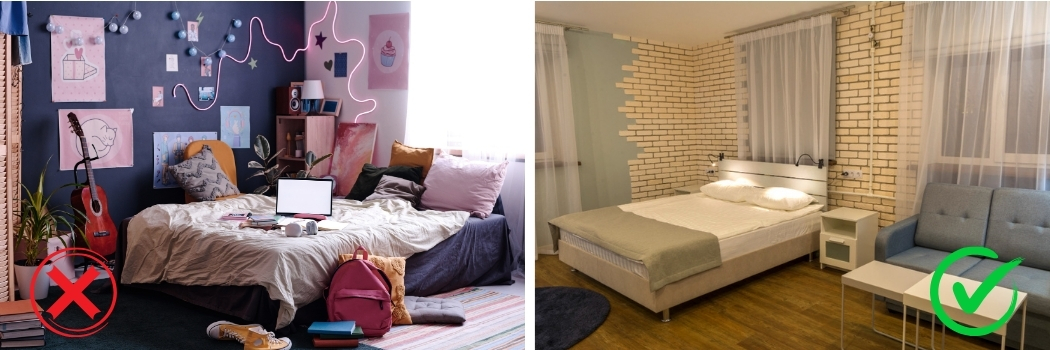
A lot of modern bedrooms slowly turn into storage rooms without people noticing.
Laundry collects there. Work bags stay there. Unused furniture fills empty corners. Eventually the room stops feeling peaceful altogether.
The most comfortable bedrooms are usually not the most decorative ones. They simply feel easier to stay in. Soft curtains, comfortable bedding, enough walking space, and balanced lighting often improve a room more than expensive décor. Bedrooms rarely need too many accessories because overcrowding the space usually creates visual stress instead of comfort.
Colours affect this too. Very bright colours can feel overstimulating after a while, especially at night. Softer earthy shades, muted tones, and warmer textures usually create a more restful atmosphere naturally.
Texture quietly changes comfort as well. Cotton bedding, wooden furniture, rugs, and softer fabrics make rooms feel warmer without trying too hard. Even air circulation matters.
Bedrooms that feel stuffy or closed off often become uncomfortable during sleep without people fully noticing why they wake up repeatedly. Comfort usually comes from many small details working together quietly.
Bedding Comfort Is Often Ignored

People sometimes spend heavily on furniture but continue using uncomfortable pillows or poor bedding for years.
That affects sleep more than they realise. Pillows support the neck for hours every night. If the support feels wrong, discomfort slowly builds up around the shoulders, back, or head. Many people wake up stiff without connecting it to their pillow at all.
Fabric choice matters too. Heavy bedding during warmer months can disturb sleep repeatedly. On the other hand, very thin bedding during colder weather prevents the body from relaxing fully.
The setup should change according to the season instead of remaining exactly the same all year. Layering usually works better than extremely heavy blankets because comfort becomes easier to adjust during the night.
Small changes often improve sleep noticeably. Better curtains, softer bedsheets, or proper pillow support sometimes matter more than buying expensive decorative furniture. The body rests better when physical discomfort disappears from the background.
Smaller Bedrooms Need Smarter Arrangements

Not every home has large bedrooms with endless space. In compact apartments especially, bedroom setups need more planning because too much furniture can make the room feel uncomfortable very quickly. A wooden bed with storage helps make better use of limited space by reducing extra cabinets while keeping everyday essentials organised neatly out of sight..
Large cabinets, oversized beds, or unnecessary side furniture reduce movement and create visual heaviness. Smaller rooms usually feel calmer when layouts stay simpler.
Storage beds help a lot in these situations because they remove the need for extra storage units around the room.
Furniture placement matters too. Even moving the bed slightly or reducing unnecessary pieces can make the room feel more open. Many people realise their bedroom feels more relaxing simply after removing furniture they barely use.
Shared rooms need balance as well. Comfort becomes difficult when storage, movement, and privacy are ignored completely.
Compact spaces work best when every piece has a purpose instead of only filling empty corners.
Better Sleep Also Depends On Routine

Even a comfortable bedroom cannot completely fix unhealthy sleeping habits. Daily routines affect rest quietly over time.
People who constantly sleep at different hours usually struggle to feel properly rested even when they stay in bed long enough. Late night scrolling also affects sleep more than many expect because bright screens keep the brain active longer.
One unhealthy habit usually leads to another. Sleeping late creates tired mornings. Tired mornings affect focus during the day. Then evenings become less productive and sleep gets delayed again.
Small routine changes help gradually. Turning off bright screens earlier, dimming lights before sleeping, or keeping the bedroom quieter at night often improves sleep more naturally than people expect.
A comfortable sleeping space supports these habits, but the routine still matters too. At the end of the day, better sleep is rarely about luxury. Most people simply need a calmer room, a more comfortable setup, and habits that allow the body to actually rest properly.
Also Read: 5 Easy Ways to Aesthetically Redecorate the Bedroom
FAQs on Best Sleeping Solutions
1. How can bedroom design improve sleep quality?
A calm and clutter-free bedroom with soft lighting, soothing colours, and comfortable furniture helps create a relaxing sleep environment.
2. Why is bedding comfort important for better sleep?
Comfortable pillows, mattresses, and bedsheets support the body properly and reduce discomfort during sleep.
3. Are storage beds useful for small bedrooms?
Yes, storage beds help save space, reduce clutter, and improve room organisation in compact bedrooms.
4. What colours are best for a relaxing bedroom?
Soft earthy shades, muted tones, and warm neutral colours usually create a peaceful and calming atmosphere.
5. How do daily routines affect sleep quality?
Irregular sleep schedules, excessive screen time, and noisy environments can disturb sleep and reduce overall restfulness.
Author & Expert Review
Written By:  Nidhi Patel | Civil Engineer & Content Writer

| Credentials: B.E. (Mahatma Gandhi Institute of Technical Education and Research Centre), Registered with Gujarat Technological University (GTU). Experience: Civil Engineer with 3+ years of content writing experience, currently writing blogs for Gharpedia, part of SDCPL. Expertise: Specializing in SEO-optimized blogs and long-form articles focused on home improvement, construction, interiors and architect topics. I create well-researched, reader-focused content that balances technical accuracy with clarity, making complex subjects easy to understand. Find her on: LinkedIn |
Verified By Expert: Farhan Sheikh – Senior Manager – Architect, SDCPL | Associate Member – IIA

This article has been reviewed for architectural and interior design accuracy by Farhan Shaikh, Senior Manager – Architect at Sthapati Designers & Consultants Pvt. Ltd. As the lead for all architectural and interior projects at SDCPL and an Associate Member of the Indian Institute of Architects (IIA), he brings hands-on experience in architectural planning, interior design, project coordination, and sustainable strategies. His review ensures the content reflects practical design considerations, industry best practices, and real-world applicability across both architecture and interior spaces.
Find him on : Linkedin