





Table of Contents
Quick Summary
- Discover how to move out of an apartment without damaging walls, floors, elevators, or shared spaces.
- Learn why building rules, elevator bookings, and parking access matter before moving day.
- Understand how movers protect hallways, lobbies, and stairwells during apartment relocations.
- Find tips for handling large furniture in tight apartment spaces safely.
- See how careful planning can help renters protect their security deposit and avoid repair costs.
- Explore why experienced apartment moving services make condo and apartment moves more organised and efficient.
Moving out of an apartment comes with a different set of challenges than moving out of a single family home. There are tighter hallways, shared entrances, elevators, stairwells, parking rules, loading zones, and neighbors to think about. One careless turn with a couch or dresser can leave a mark on the wall, scratch the floor, or create an issue with the property manager.
A good apartment move is not only about getting everything loaded. It is about protecting the building while moving quickly and carefully enough to stay on schedule. That matters for renters trying to get their deposit back, homeowners moving out of a condo, and property managers who need shared spaces kept in good condition.
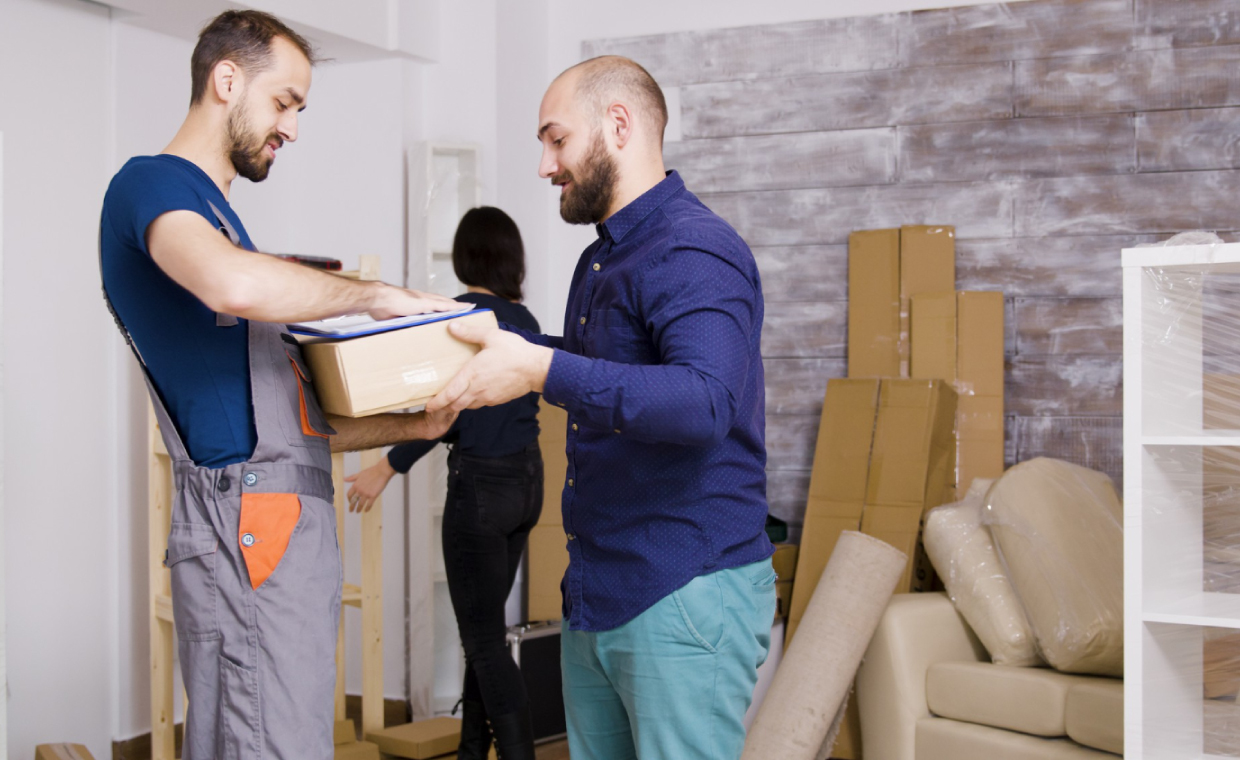
Careful apartment movers help protect walls, floors, elevators, and shared spaces during move-out day.
Start With the Building Rules

Before moving day, check the apartment or condo rules. Many buildings have specific requirements for move outs. Some require elevator reservations. Some only allow moving during certain hours. Others require proof of insurance, loading dock scheduling, or protective pads inside the elevator.
Ignoring these details can slow the move down before it starts. It can also create extra fees if the building charges for elevator delays, damaged common areas, or blocked entrances.
The best approach is to ask the building manager what is required, then share those details with the moving company before move day. That allows the crew to arrive with the right plan, equipment, and timing.
Protect Walls Before Furniture Starts Moving
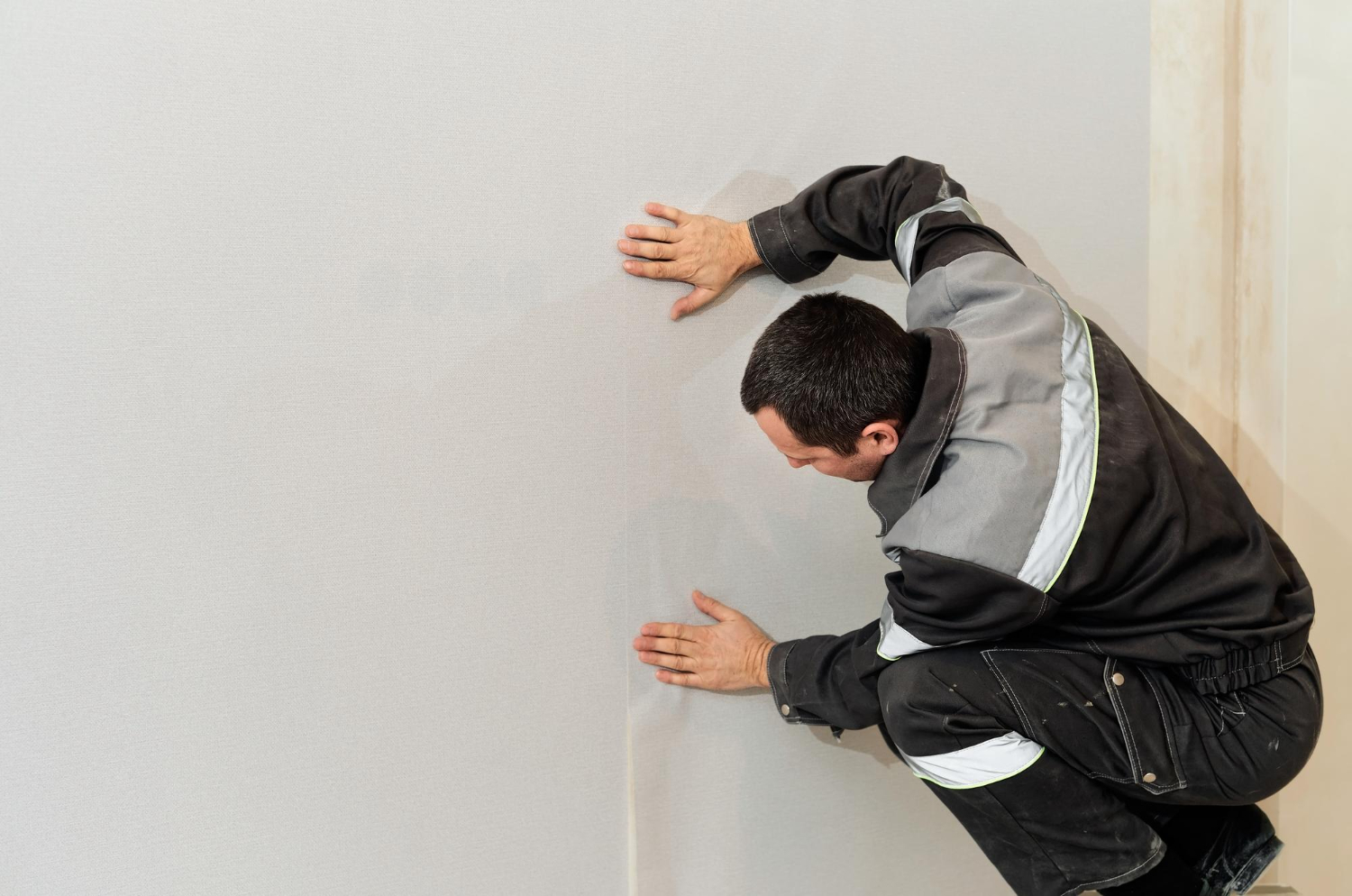
Apartment walls can take a beating during a move. Tight corners, narrow halls, and stair landings make it easy for furniture to bump drywall, trim, or painted surfaces. Large items like sofas, mattresses, dressers, desks, and entertainment centers should be wrapped and carried with control.
Moving blankets, stretch wrap, and careful lifting techniques help reduce contact with the walls. The crew should slow down around corners and communicate before turning large pieces through hallways.
This is where experience matters. Professional movers know how to angle furniture through tight spaces without forcing it. For apartment moves with stairs, elevators, long hallways, and building access rules, hiring apartment moving services can help protect both your belongings and the property around them.
Keep Floors and Hallways Clean
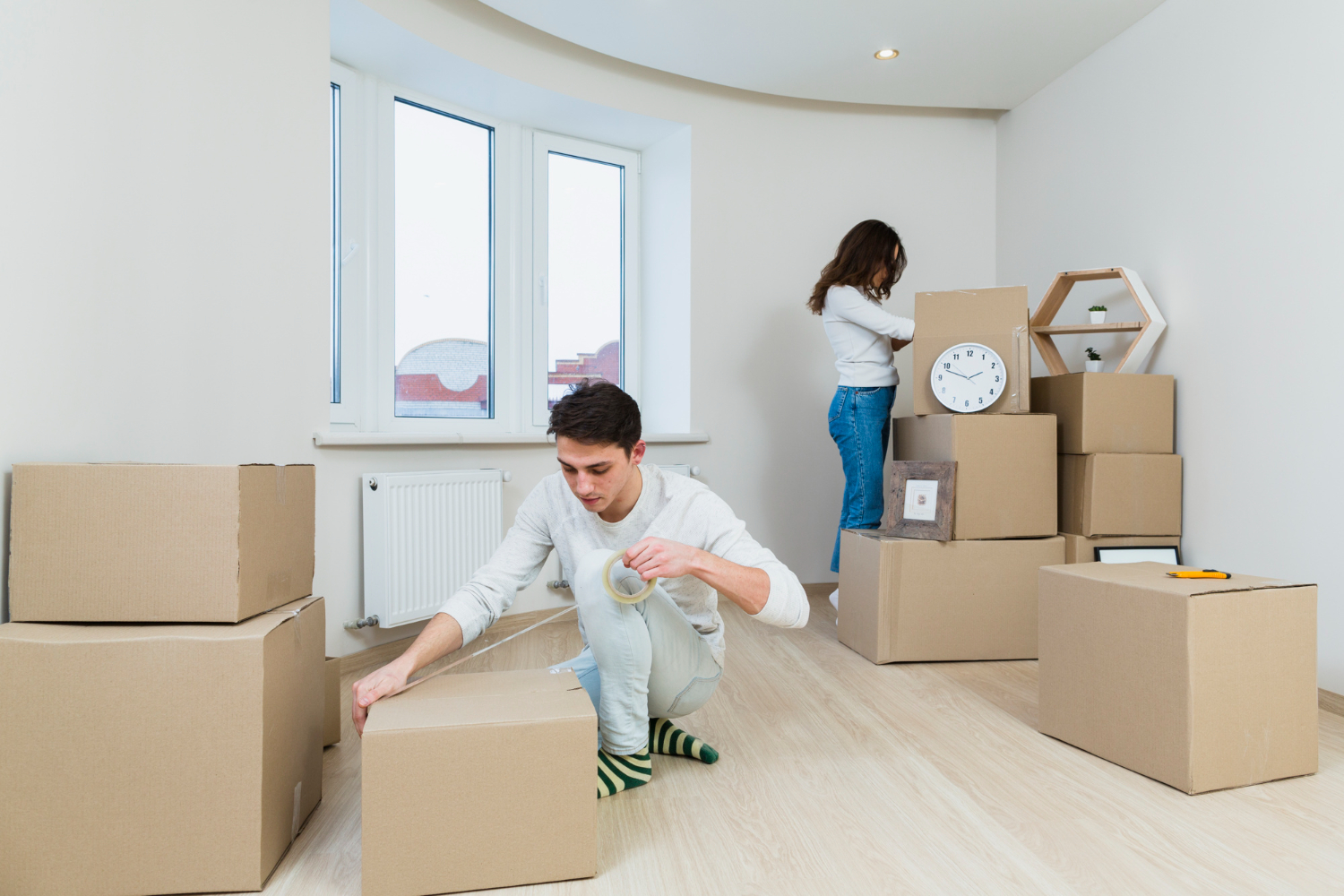
Floors are one of the easiest parts of a building to damage during a move. Dirt, salt, water, gravel, and repeated foot traffic can leave marks, especially in winter or during rainy weather. Hardwood, tile, carpet, and polished lobby floors all need care.
Floor runners or protective coverings can help in high traffic areas. Movers should also avoid dragging furniture, boxes, or equipment across finished floors. Dollies should be used properly, and heavy items should be lifted when needed.
Hallways should stay clear enough for neighbors to pass safely. Boxes, tools, and furniture should not be left scattered in shared areas longer than necessary.
Plan for Elevators and Stairs
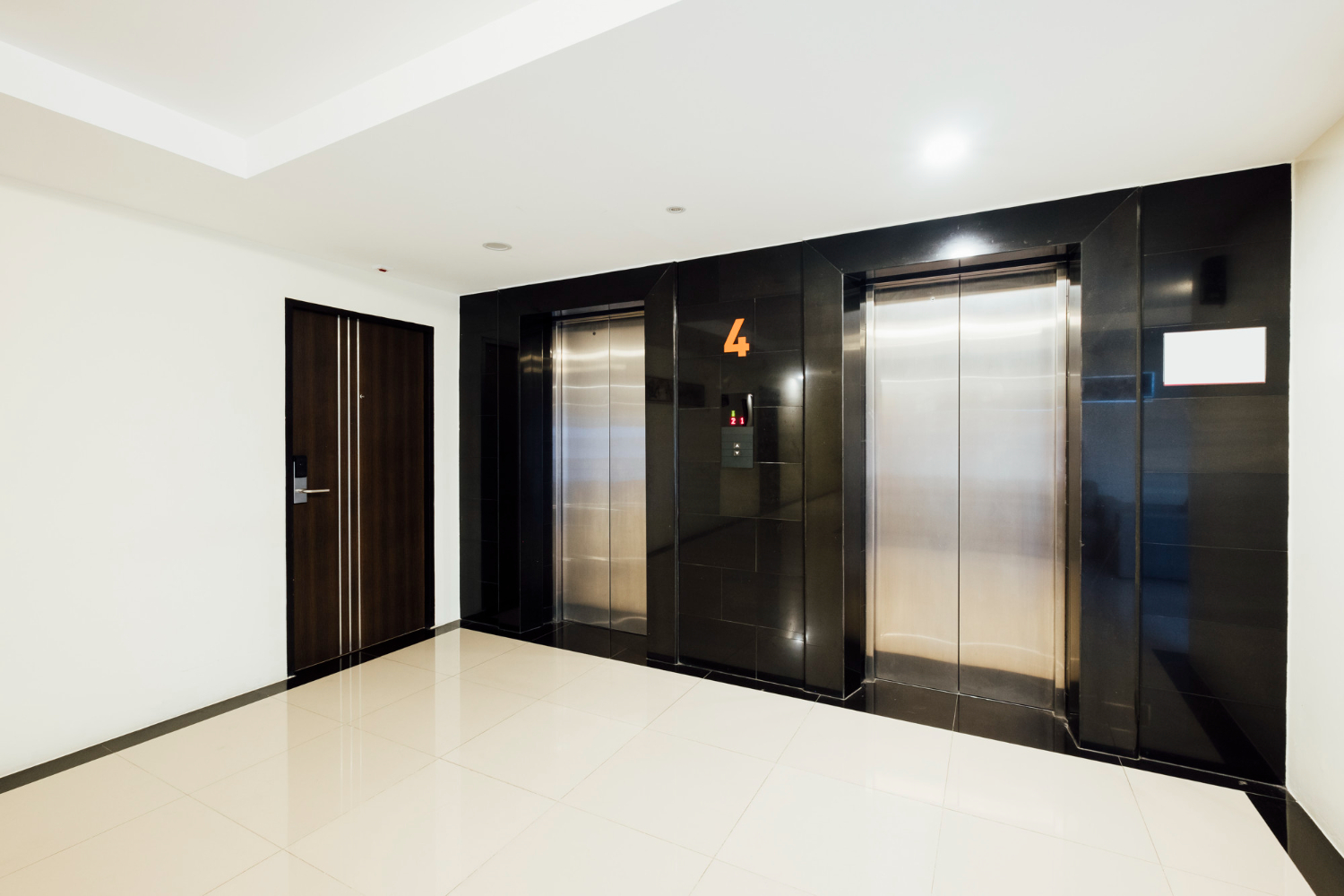
Elevators can make an apartment move easier, but only when they are planned correctly. If the building has a service elevator, reserve it early. If elevator pads are required, confirm who provides them. Some buildings keep pads on site, while others expect the moving crew to bring protection.
Stairs create another challenge. They slow the move down and increase the risk of wall and railing damage. Large furniture may need to be tilted, rotated, or partially disassembled before it can be carried safely.
A good crew will inspect the path before moving the heaviest items. They will look at doorways, landings, turns, and railings so they know how each item should be handled.
Measure Large Furniture Before Move Day
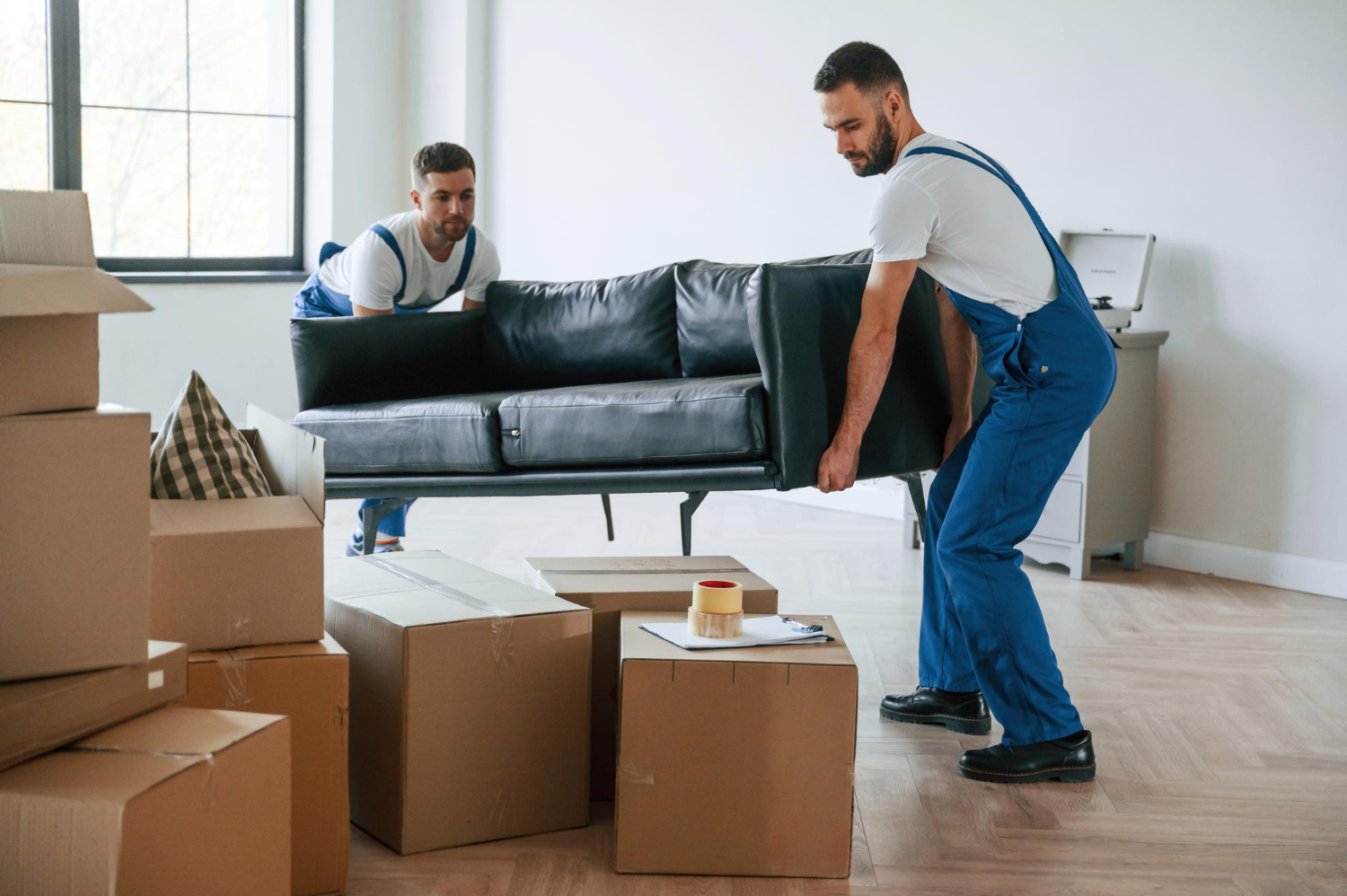
Many apartment move problems happen because the furniture is too large for the exit path. A sectional sofa, king mattress, dining table, or oversized dresser may fit inside the apartment but be difficult to remove through the hallway or elevator.
Measure doorways, elevator openings, stair turns, and large furniture before moving day. If legs, shelves, mirrors, or detachable parts can be removed safely, do it before the crew starts carrying the item out.
This small step can prevent scratches, delays, and unnecessary force. It also helps movers decide whether an item needs extra wrapping or a different route.
Be Careful with Shared Entrances and Lobbies
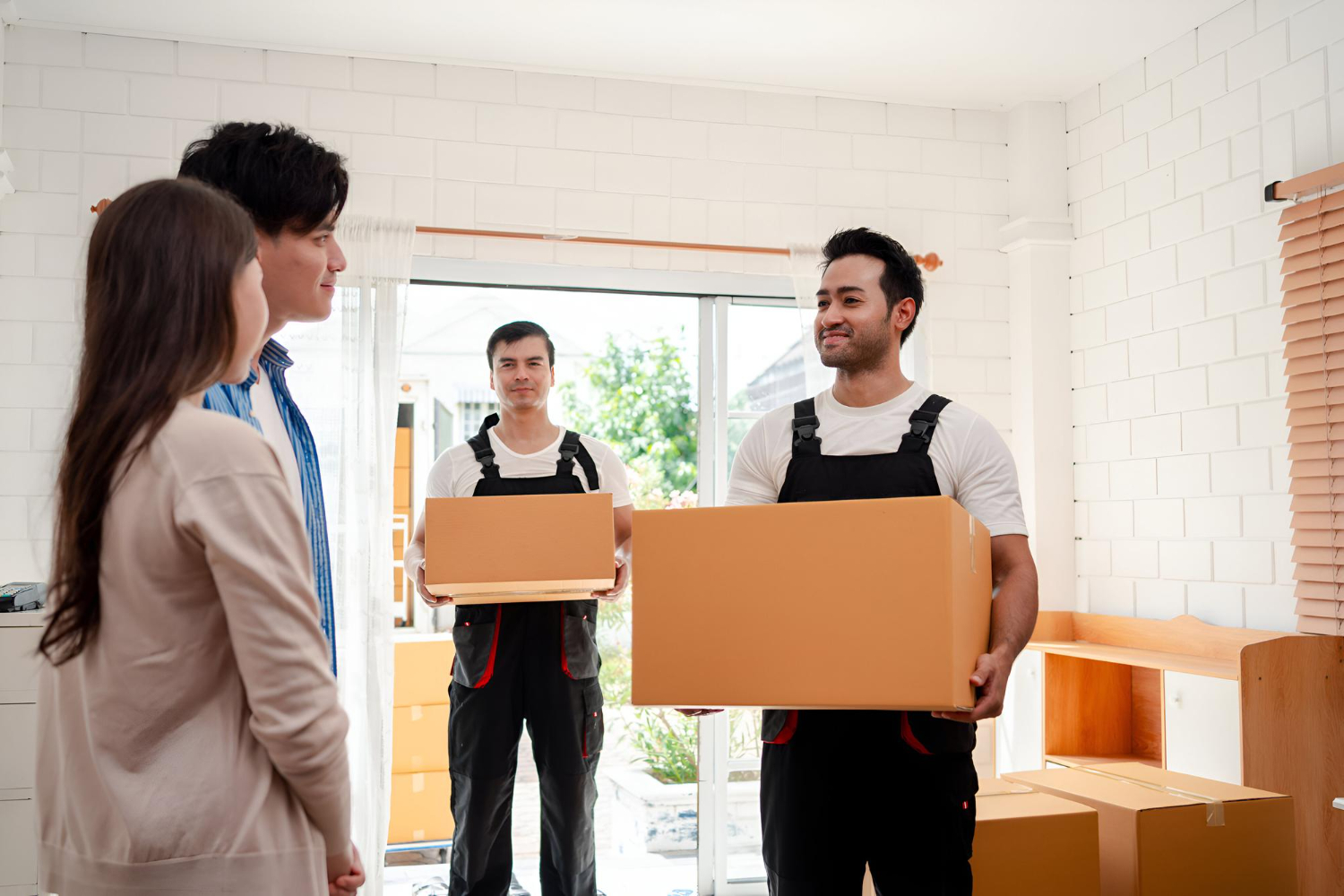
Shared entrances and lobbies are high-visibility areas. If damage happens there, it is usually noticed quickly. These areas may have glass doors, tile floors, painted walls, lighting fixtures, mail areas, or decorative finishes.
Movers should keep these spaces organized and avoid blocking access for other residents. If the building has a front desk or property manager, communication helps. Let them know when the move starts, how long it may take, and which entrance will be used.
Respecting shared areas can make the move easier for everyone in the building.
Moving in Bloomington Apartments and Condos
Apartment moves in Bloomington can vary depending on the building. Some properties have elevators and managed loading areas. Others have outdoor stairs, longer walks from parking lots, or tight apartment complex layouts.
If you are moving into or out of Bloomington, it helps to work with movers who understand local apartment communities, condo buildings, and residential neighborhoods. For renters and homeowners comparing Bloomington moving services, the right company should be able to plan around parking, access points, stairs, elevators, and building requirements.
That local experience can make the difference between a rushed move and one that stays organized from the first item to the last.
Communicate With Neighbors When Needed
Apartment moves affect more than the person moving. Neighbors may need to use the elevator, hallway, stairwell, or entrance during the move. A little communication can prevent frustration.
If the building is small, consider letting nearby neighbors know when the move is happening. If the move will take several hours, try to keep noise and blocked access to a minimum.
This is especially helpful in buildings with narrow hallways, limited parking, or only one main entrance.
Do a Final Walkthrough
Once everything is loaded, do a walkthrough before leaving. Check the apartment, hallway, elevator, stairwell, lobby, and entry path. Look for marks, forgotten items, loose packing materials, or anything that needs to be cleaned up.
Taking a few minutes at the end can help protect your security deposit and avoid disputes with the building. It also gives you a chance to catch small issues before they become bigger problems.
Final Thoughts
Moving out of an apartment takes planning, patience, and the right kind of care. The building matters just as much as the furniture. Walls, floors, elevators, stairwells, lobbies, and shared entrances all need to be protected.
When movers understand apartment layouts and building rules, the whole process becomes smoother. With the right preparation, you can move out without damaging shared spaces, frustrating neighbors, or creating extra stress on moving day.
Also Read: Essential Moving Tips for Families Shifting Into Newly Designed Homes
FAQs – Apartment Moving Services
1. How can I protect apartment walls during a move?
Use moving blankets, stretch wrap, and careful lifting techniques to prevent furniture from hitting walls and corners.
2. Should I reserve the elevator before moving out?
Yes. Many apartment buildings require elevator reservations for move outs, especially in condos and high rise buildings.
3. What is the best way to protect floors while moving?
Floor runners, proper dolly use, and lifting furniture instead of dragging it can help prevent scratches and marks.
4. Why should furniture be measured before move day?
Measuring furniture and exit paths helps prevent delays, wall damage, and situations where large items cannot fit through doors or elevators.
5. Are professional apartment movers worth hiring?
Professional apartment movers understand building rules, tight layouts, elevators, and shared spaces, which helps reduce damage risks and keeps the move organised.
Author & Expert Review
Written By:  Gaurav Mishra | Civil Engineer & Content Writer

| Credentials: B.E. (Mahavir Swami College, Surat), Registered with Bhagwan Mahavir University (BMU). Experience: Civil Engineer with 5+ years of content writing experience, currently writing impactful articles for Gharpedia, part of SDCPL. Expertise: Specializes in writing well-researched content on residential construction, construction materials, design planning, on-site practices, and safety, blending technical accuracy with everyday clarity. Find him on: LinkedIn |
Verified By Expert:  Shekhar J. Parikh – Co Founder – Gharpedia | Director – SDCPL

This article has been reviewed for technical and execution accuracy by Shekhar J. Parikh, Director and Consulting Engineer at Sthapati Designers & Consultants Pvt. Ltd. With over 40 years of experience in civil engineering, project execution, and construction management across Gujarat and Maharashtra, he ensures the content reflects practical site knowledge, quality control standards, and industry best practices, while also supporting informed decision-making for property buy, sell, and rent considerations.
Find him on : LinkedIn