





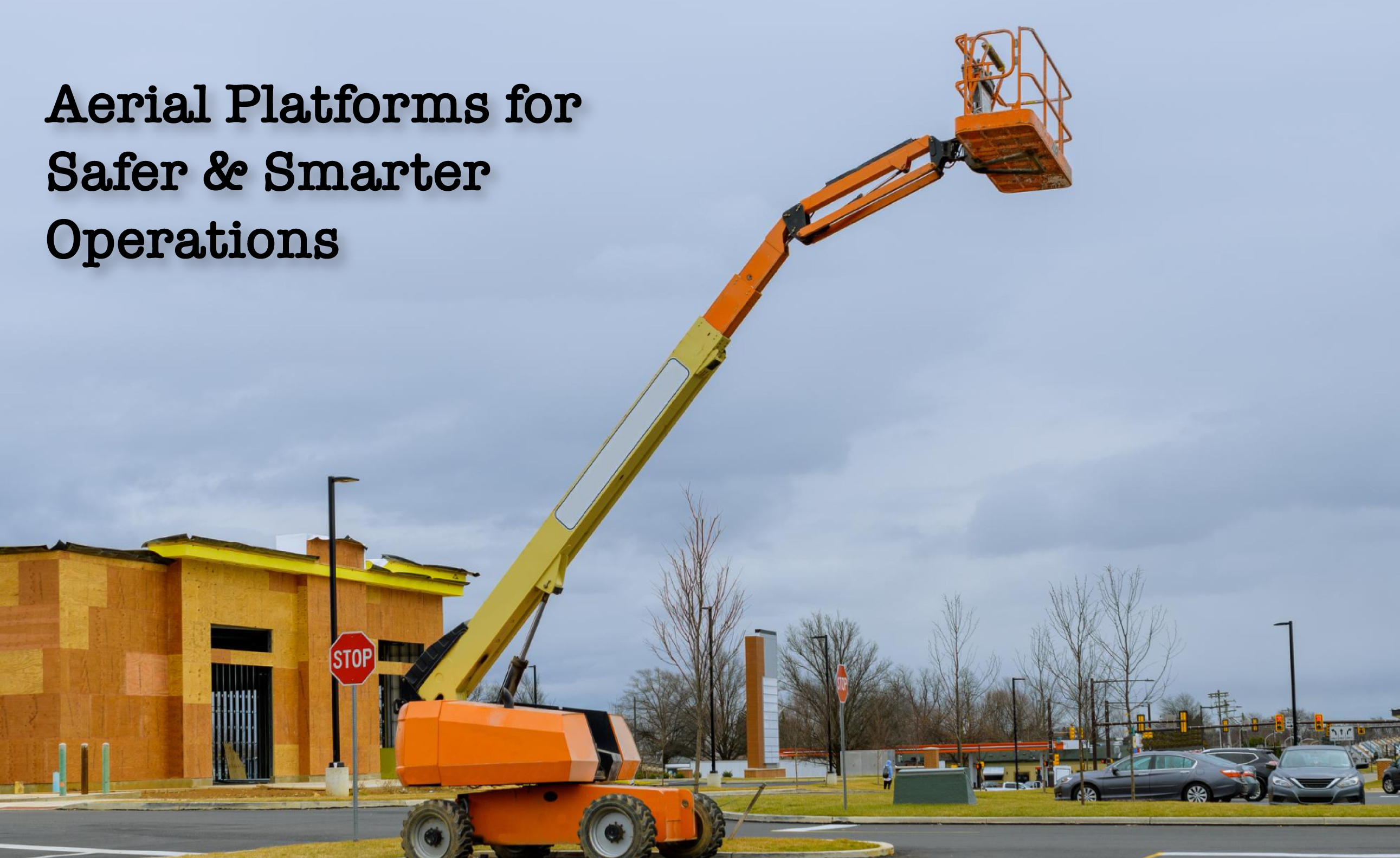
Table of Contents
Quick Summary
- Selecting the right aerial platform depends on your project size, work environment, and lifting requirements.
- The article explains the difference between telescopic and articulating boom lifts and where each works best.
- It highlights important factors such as height capacity, outreach, worker capacity, and power source selection.
- Readers can understand the benefits of buying pre-owned boom lifts for cost-effective operations.
- The article also covers equipment inspection, maintenance history, and vendor reliability before purchase.
- Tips are included to help businesses choose equipment that offers long-term performance with fewer repairs.
Medium-sized companies often manage multiple projects simultaneously or take on larger projects one after another. They often face challenges with scaling their operations. Their cash flow can be better than that of a small manufacturing business, but it may still not be sufficient to buy all types of large equipment.
Renting everything also doesn’t seem feasible due to multiple factors, such as lack of immediate accessibility and the costs associated with the process. Additionally, if the booked equipment doesn’t arrive on time, it may cause operational delays.
If you belong to an industry where working at height is a regular part of the job, you need suitable aerial platforms like boom lifts. These aerial platforms, when used properly and with trained operators, reduce accident risks and facilitate quicker completion of tasks.
Different types of aerial platforms with different capacities are usually required, and it is not practical to buy all of them. Even purchasing a single piece of equipment can be expensive.
You can explore aerial platforms for sale to own a type of boom lift that is frequently used in your projects. Pre-owned equipment offers the same functions and features per model; it is simply not new. If you buy it from a reliable service provider, there is little to worry about.
However, you should make a decision only after determining your specific operational needs. The following information provides guidance on how to proceed.
Buying a Pre-owned Boom Lift
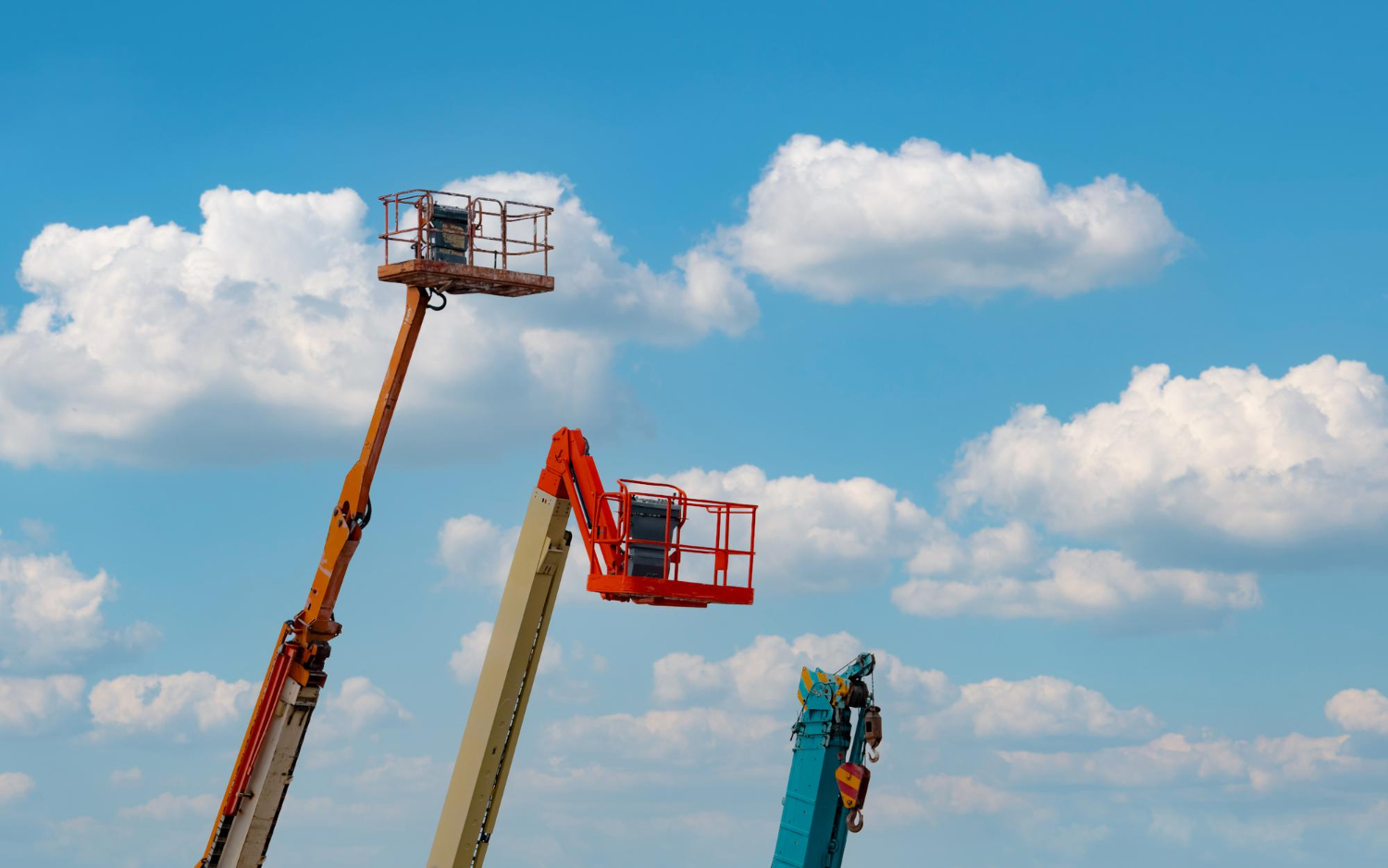
Truck-mounted boom lifts come in two main versions: telescopic and articulating. As the name suggests, telescopic boom lifts extend straight. Articulating boom lifts, also called knuckled lifts, have several joints in their arms that allow them to maneuver around obstacles.
A vendor with a large fleet can offer both options with varying capacities to meet a range of operational needs. Before choosing a specific style, you must know where these lifts will be used. Telescopic lifts are more suitable for larger open areas, while knuckled lifts can also be used indoors in spaces with sufficient clearance due to their bendable arms.
Other factors, such as height and weight capacities, must also be considered. Boom lifts can range from 157 feet to more than 300 feet in height. Pay attention to their outreach and maximum height capacities. Some models can accommodate up to five workers.
Since these are pre-owned lifts, you are already saving significant money on your purchase. This is an opportunity to select the model that best fits your operational needs. For example, the supplier may have both electric and fuel-powered models.
Fuel-based boom lifts are ideal for outdoor use due to exhaust emissions, while electric boom lifts do not produce emissions but require time to charge the battery.
Important Details
Assessing the equipment against your actual needs is crucial. At the same time, you should make sure the equipment is not too old or overused. You want it to operate reliably for at least three to five years with minimal repairs.
The vendor should provide all details regarding a particular model’s age, usage history, and maintenance. Its features and functions should also be clearly specified. Read all documents carefully. You are opting for used equipment to improve your operations at an affordable upfront cost, so do not compromise.
Vendors like Bladeplatforms.com can be trusted in these matters. Global suppliers tend to be more careful about their reputation and customer support services, making them easier to rely on.
Also Read: How to Choose the Right Building Materials Supplier During Renovations
FAQs – Aerial Platforms for Sale
1. What is the difference between telescopic and articulating boom lifts?
Telescopic boom lifts extend in a straight line and are suitable for open outdoor areas, while articulating boom lifts have flexible joints that help navigate around obstacles.
2. Are pre-owned boom lifts reliable for commercial use?
Yes, pre-owned boom lifts can be reliable when purchased from trusted suppliers who provide maintenance records and proper inspection details.
3. Which boom lift is better for indoor use?
Electric articulating boom lifts are generally preferred for indoor use because they produce no exhaust emissions and can manoeuvre in tighter spaces.
Author & Expert Review
Written By:  Gaurav Mishra | Civil Engineer & Content Writer

| Credentials: B.E. (Mahavir Swami College, Surat), Registered with Bhagwan Mahavir University (BMU). Experience: Civil Engineer with 5+ years of content writing experience, currently writing impactful articles for Gharpedia, part of SDCPL. Expertise: Specializes in writing well-researched content on residential construction, construction materials, design planning, on-site practices, and safety, blending technical accuracy with everyday clarity. Find him on: LinkedIn |
Verified By Expert:  Avni Desai | Environmental Engineer, SDCPL | M.E. (Environmental Engineering)
 Avni Desai | Environmental Engineer, SDCPL | M.E. (Environmental Engineering)
 This article has been reviewed for environmental, MEP, and building services accuracy by Avni Desai, an Environmental Engineer at Sthapati Designers & Consultants Pvt. Ltd. (SDCPL). With over 8 years of experience in water supply, wastewater management, infrastructure design, and building services, she brings practical expertise in MEP services, sustainable solutions, design planning, and on-site practices. Her professional services include planning and design of water supply systems, sewage and wastewater treatment systems (STP/WTP), drainage, rainwater harvesting, and other sustainable building services. Her review ensures the content aligns with environmental standards, efficient services planning, and real-world applicability.
Find her on : LinkedIn